RSS

🏠 Is Buying a Duplex in Ottawa a Smart Investment in 2025?

Thinking about buying a duplex in Ottawa? Discover why duplexes are smart real estate investments in 2025, plus key tips for success.


What is a Duplex and Why Investors Love Them

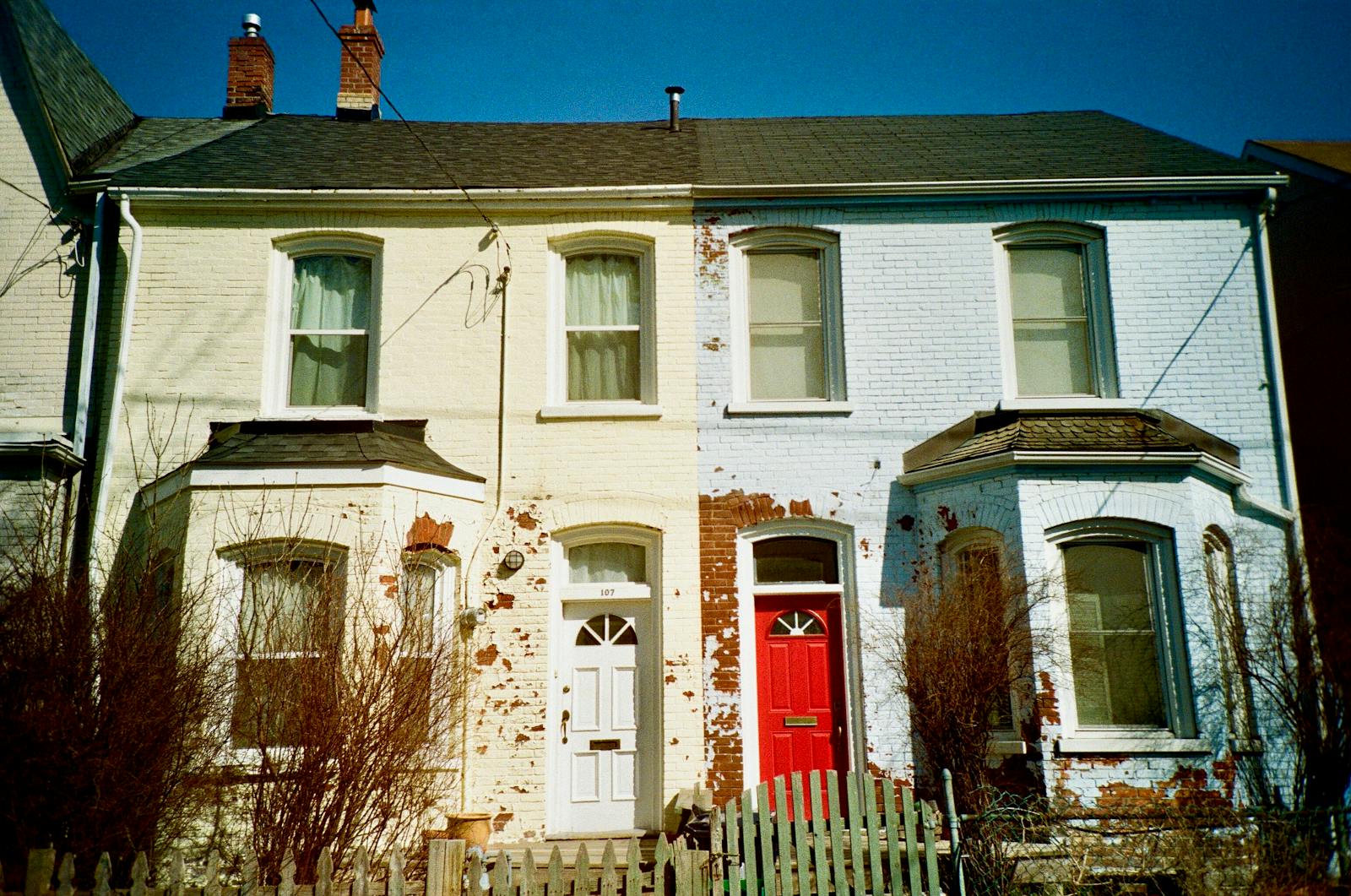
A duplex is a residential property divided into two separate living units, typically with private entrances, kitchens, and living areas.

Why Duplexes Are Popular:

  • Two income streams from one property

  • House hacking: Live in one unit, rent the other

  • Lower entry cost than buying two separate properties

  • Easier management compared to multi-unit apartment buildings

For investors and first-time buyers alike, buying a duplex in Ottawa is an efficient way to build wealth and reduce living expenses.


Ottawa Real Estate Market Trends for Duplex Investments

Ottawa’s 2025 market remains strong and rental-friendly, making duplexes more attractive than ever.

Key Trends:

  • Rental demand is at a historic high—driven by rising homeownership costs and immigration.

  • Vacancy rates are low (hovering around 1.4%).

  • Rental rates have increased by ~4% annually across most areas.

  • Duplexes are sought after by both investors and live-in owners, ensuring strong competition and liquidity.

In short: buying a duplex in Ottawa in 2025 means tapping into a healthy, stable rental market.


Financial Advantages of Buying a Duplex in Ottawa

✅ Rental Income

  • Earn rental income from one or both units.

  • Live in one unit and offset your mortgage significantly.

✅ Mortgage Help

  • Rental income can help you qualify for a larger mortgage.

  • Lenders allow you to use 50–80% of rental income to boost affordability.

✅ Tax Benefits

  • Deduct mortgage interest, property taxes, repairs, and insurance.

  • Capital Cost Allowance (CCA) lets you depreciate rental property value.

A duplex can dramatically accelerate your path to financial freedom—especially when purchased early.


Best Ottawa Neighborhoods for Duplex Investments

NeighbourhoodWhy It’s Ideal for Duplexes
VanierUrban, gentrifying, great rental yields
CarlingtonClose to hospitals, central location, solid cash flow
OverbrookEast-end proximity to downtown, LRT access
Centretown WestHigh tenant demand, young professionals and students

Focus on areas where rental demand is strong and prices are still reasonable relative to rents.


How to Analyze a Duplex Investment: Cash Flow, Cap Rate, ROI

Before buying, crunch the numbers carefully.

Example Analysis:

  • Purchase Price: $800,000

  • Rental Income: $3,800/month (2 units combined)

  • Expenses: Mortgage + taxes + insurance + maintenance = $3,000/month

Cash Flow = $3,800 - $3,000 = $800/month

Cap Rate = (Net Operating Income ÷ Purchase Price) × 100
( ($3,800 - $800 expenses monthly) × 12 months ÷ $800,000 ) × 100 ≈ 4.5%

ROI improves with smart financing, proper tenant selection, and keeping costs low.


Financing a Duplex: What Ottawa Investors Need to Know

Financing Tips:

  • 20% minimum down payment for non-owner-occupied

  • 5–10% down possible if you live in one unit (with CMHC insurance)

  • Mortgage rates are competitive, but rental income boosts qualification

  • Look into CMHC multi-unit mortgage insurance for better rates

Work with mortgage brokers who specialize in real estate investing to get the best terms.


Pros and Cons of Duplex Ownership

ProsCons
Dual income streamsManaging two tenants (or more)
Mortgage help if owner-occupiedRepairs/maintenance responsibilities
Flexibility: rent or sell separatelyPotential for vacancy periods
Good resale demandZoning or licensing hurdles

Being realistic about time, management, and unexpected costs will set you up for success.


Legal Requirements for Duplexes in Ottawa

Always verify local zoning rules and legal duplex status:

  • Zoning bylaws determine if two units are permitted.

  • Units must meet fire code (separate exits, fire-rated walls/ceilings).

  • Secondary Dwelling Unit (SDU) permits required for conversions.

  • Check parking space requirements for multi-unit homes.

Legal duplexes rent for more, sell for more, and face fewer headaches later.


Renovating or Converting a Home into a Duplex

Thinking about turning a single-family home into a duplex?

Key Steps:

  • Confirm zoning allows it.

  • Hire professionals for fire separation, electrical upgrades, and plumbing.

  • Budget ~$80,000–$150,000 depending on scope.

  • Apply for City of Ottawa building permits and inspections.

Done properly, conversion projects can dramatically increase a property’s value and income potential.


FAQs About Buying a Duplex in Ottawa

1. Is buying a duplex better than a single-family rental?
Often yes—better cash flow and less vacancy risk.

2. Can I live in one unit and rent the other?
Absolutely—and it may qualify you for a lower down payment.

3. Are duplexes harder to finance?
Not if you have solid credit and rental income projections.

4. How much does it cost to legalize an illegal duplex?
Plan for $80,000+, depending on fire code upgrades and permits.

5. What is a good cap rate for Ottawa duplexes in 2025?
Anything around 4–6% is considered solid in this market.

6. Are duplexes hard to sell later?
No—investors, families, and house-hackers all want them.


Final Thoughts: Should You Invest in a Duplex in Ottawa in 2025?

If you're serious about building wealth through real estate, buying a duplex in Ottawa is one of the smartest moves you can make in 2025. It offers immediate cash flow, strong tenant demand, and excellent appreciation potential.

Start with the right neighborhood, run the numbers carefully, and work with a team of pros—and your duplex could be the foundation for long-term success. 🏡💼

Read

🏡 Top Mistakes First-Time Homebuyers Make in Ottawa (And How to Avoid Them)

Buying your first home in Ottawa? Learn the top mistakes first-time buyers make in 2025—and how to avoid costly missteps for a smoother journey.

Why First-Time Buyers Face Unique Challenges in Ottawa

Buying your first home is exciting—but in a dynamic market like Ottawa in 2025, it’s easy to feel overwhelmed. Rising prices, fierce competition, and changing mortgage rules create a tough landscape for first-timers.

Challenges include:

  • Tighter lending criteria (especially stress testing requirements)

  • Limited inventory for affordable homes

  • Multiple-offer situations for well-priced properties

  • Hidden costs that can surprise unprepared buyers

The good news? Avoiding common mistakes can make your first home purchase smooth, smart, and successful.


Mistake #1: Not Getting Pre-Approved Before Shopping

Many first-timers start browsing listings before speaking to a lender—and it’s a major mistake.

Why It Hurts:

  • You might fall in love with homes outside your price range.

  • In a competitive market, pre-approval strengthens your offer.

  • It clarifies your maximum budget and estimated monthly payments.

Tip: Get a mortgage pre-approval letter before viewing properties to be ready to act quickly.


Mistake #2: Underestimating Total Costs of Buying

Buying a home involves more than just the down payment.

Hidden Expenses Include:

  • Land transfer tax (Ontario and City of Ottawa for certain homes)

  • Legal fees (~$1,500–$2,500)

  • Home inspection fees (~$500)

  • Title insurance, appraisal fees, moving costs

Tip: Budget 3–5% extra of the home price for closing costs and unexpected expenses.


Mistake #3: Skipping a Home Inspection

In hot markets, some buyers skip inspections to win bidding wars. It’s risky.

Potential Consequences:

  • Expensive surprises like foundation cracks, roof issues, or plumbing problems.

  • Limited options for recourse after closing.

Tip: Always try to include a home inspection condition or do a pre-offer inspection if timing is tight.


Mistake #4: Overstretching Your Budget

Buying at your absolute maximum can leave you house poor—unable to enjoy life beyond the mortgage.

Danger Signs:

  • No savings left after closing

  • Struggling to afford utilities, property taxes, and maintenance

Tip: Target properties below your max pre-approval and factor in lifestyle costs (travel, kids, hobbies).


Mistake #5: Being Too Picky—or Not Picky Enough

Balance is key when house hunting.

Common Buyer Mindsets:

  • Too picky: Waiting endlessly for a “perfect” home can cause you to miss out.

  • Not picky enough: Settling on a poor fit leads to buyer’s remorse.

Tip: Focus on location, layout, and structural integrity—cosmetic changes can come later.


Mistake #6: Ignoring Future Resale Potential

Your first home may not be your forever home, so think like an investor.

Watch Out For:

  • Odd layouts

  • Unpopular locations

  • Over-customized properties

Tip: Prioritize homes with broad buyer appeal for easier resale down the road.


Mistake #7: Failing to Act Quickly in a Hot Market

Ottawa’s market moves fast—good homes can sell within days.

Problems If You Hesitate:

  • Losing your dream home to another buyer

  • Prices rising while you “wait for a better deal”

Tip: Work with a REALTOR® who can set up instant alerts and prepare strong offers quickly.


How to Choose the Right REALTOR® for First-Time Buyers

Your agent can make or break your buying experience.

Look for an Agent Who:

  • Specializes in first-time buyers

  • Explains every step clearly

  • Has strong market knowledge and negotiation skills

  • Respects your budget—no pressure tactics

Tip: Interview a few REALTORS® and choose someone you trust and feel comfortable with.


FAQs for First-Time Homebuyers in Ottawa

1. How much do I need for a down payment in Ottawa?
Minimum 5% for homes under $500,000; higher for more expensive properties.

2. What is the First-Time Home Buyer Incentive?
It’s a shared equity program where the government helps with part of your down payment.

3. How important is the location vs home size?
Location wins—you can change the home, but not the neighbourhood.

4. Can I back out of an offer after it’s accepted?
Only if you have conditions (like financing or inspection) allowing you to walk away.

5. Should I buy a condo or freehold property?
Depends on your lifestyle. Condos offer low maintenance, but fees apply.

6. How long does it usually take to close a deal in Ottawa?
Typically 30–90 days after offer acceptance, depending on seller/buyer needs.


Final Thoughts: Smart Steps to Your First Ottawa Home in 2025

Buying your first home in Ottawa is an exciting milestone—but it comes with challenges. Being informed, prepared, and realistic will help you avoid the most common mistakes and land a home you’ll love.

Remember: work with experts, stay within your means, and trust the process. Your dream of homeownership in Canada’s capital city is well within reach! 🏠🎉

Read

🏢 Pros and Cons of Buying a Pre-Construction Condo in Ottawa (2025 Guide)

What is a Pre-Construction Condo?

A pre-construction condo is a condominium unit purchased before it’s built or while construction is still underway. Buyers sign an agreement with a developer based on floor plans, models, and projected features, and typically move in 2–4 years later.

It’s a popular strategy in Ottawa for:

  • First-time buyers wanting new, modern homes

  • Investors looking to secure units at today’s prices

  • Downsizers seeking low-maintenance living

In 2025, pre-construction condos in Ottawa are booming thanks to new developments across the city and a growing demand for urban lifestyle options.


Pros of Buying a Pre-Construction Condo in Ottawa

✅ Price Advantages

  • Today’s price for tomorrow’s property: Lock in a purchase price before the unit is completed, even if market prices rise.

  • Many developers offer early-buyer discounts or special incentives during the launch phase.

✅ Customization Opportunities

  • Choose your floor plan, finishes, and upgrades.

  • Personalize your kitchen, flooring, and fixtures to your style.

✅ Flexible Deposit Structure

  • Typically spread over 12–24 months (e.g., 5% now, 5% in 6 months, 5% in a year).

  • Easier to save gradually versus a massive upfront down payment.

✅ New Build Warranty

  • Pre-construction condos are protected under Ontario’s Tarion Warranty Program, covering construction defects and major systems.

Buying pre-construction offers a fresh start, lower maintenance, and potential capital appreciation before you even move in.


Cons of Buying a Pre-Construction Condo in Ottawa

❌ Delays Are Common

  • Weather, supply chain issues, or labor shortages can push move-in dates back—sometimes by a year or more.

❌ Uncertain Final Costs

  • Developers can adjust fees like maintenance charges and closing costs.

  • New levies and taxes (e.g., development charges) could increase unexpectedly.

❌ Market Risk

  • If Ottawa’s real estate market softens, your unit’s value may not appreciate as much as expected upon completion.

❌ Limited Ability to Visualize

  • Floor plans and renderings don’t always match real-world scale and feel.

  • Your finished unit may differ slightly from what you envisioned.

Going in with realistic expectations and a good lawyer is essential to minimizing risk.


Key Costs to Understand Before Buying

Beyond the sticker price, be aware of these hidden costs:

CostWhat It Means
Interim Occupancy FeesRent-like payments before official closing date
Development ChargesFees to the city for infrastructure and services
Closing CostsLand transfer taxes, legal fees, title insurance, HST
UpgradesOptional design and feature upgrades (can add up fast)

Always budget an extra 3–5% of the purchase price for these closing and hidden costs.


Best Areas in Ottawa for Pre-Construction Condos in 2025

Ottawa’s condo market is growing across multiple vibrant neighborhoods:

AreaWhy It’s Hot
CentretownUrban living, close to Parliament and amenities
Little ItalyTrendy cafes, restaurants, close to Dow's Lake
WestboroBoutique shopping, transit, active lifestyle
KanataTech sector growth, affordable suburban condos

These neighborhoods offer strong resale potential and lifestyle appeal for owners and renters.


How to Choose a Reliable Condo Developer

Not all builders are created equal. Here’s how to pick the right one:

  • Research past projects: Were they on time? Quality builds?

  • Check reviews from past buyers and online forums.

  • Visit model suites and sales centers to gauge transparency and professionalism.

  • Ask about Tarion coverage and warranties.

A reputable developer is your best protection against future headaches.


Assignment Sales: Flipping Pre-Construction Condos

An assignment sale means selling your pre-construction contract before closing.

Why Consider It?

  • Potential to profit before taking possession.

  • Flexibility if your plans change.

Risks to Know:

  • Builder approval required (and assignment fees apply).

  • Tax implications (capital gains or business income).

  • Assignment markets can be slower if resale supply increases.

Assignment sales are a strategic move—but only if done with proper legal advice.


Tips for First-Time Buyers of Pre-Construction Condos

  • Have your agreement reviewed by a real estate lawyer during the 10-day cooling-off period.

  • Understand the deposit structure and refund rights.

  • Ask about free assignment clauses, cap on development charges, and occupancy date guarantees.

  • Prepare for a longer timeline than advertised.

  • Look for first-launch incentives like free parking, storage lockers, or upgrades.

Knowledge is power when entering a pre-construction deal!


FAQs About Buying Pre-Construction Condos in Ottawa

1. Can I negotiate prices or upgrades with a condo developer?
Sometimes—especially during early launch sales. Working with a REALTOR® helps.

2. What happens if construction is delayed?
You may be entitled to compensation under Tarion rules if delays exceed timelines.

3. Do I pay HST on a pre-construction condo?
Yes—but rebates may apply if you intend to live in the unit.

4. Is it riskier to buy pre-construction than resale?
There are different risks—mostly around timelines and price certainty.

5. Can I rent out my pre-construction unit right away?
Usually yes, but confirm with your developer about rental restrictions.

6. Is buying pre-construction better for investors?
Yes—especially in Ottawa’s rising, stable market, if you have patience and a long-term view.


Final Thoughts: Should You Buy a Pre-Construction Condo in Ottawa in 2025?

Buying a pre-construction condo in Ottawa can be a smart investment—offering customization, appreciation potential, and new-build warranties. However, it comes with delays, hidden costs, and market risk that you need to plan for carefully.

If you’re financially prepared, choose a strong developer, and get good legal advice, pre-construction could be your path to long-term wealth and a beautiful new home. 🏢🔑

Read

🔨 Flipping Houses in Ottawa: Is It Worth It in 2025?

Thinking of flipping houses in Ottawa? Learn the profit potential, renovation tips, risks, and 2025 market outlook for real estate investors.

What Is House Flipping and Why It's Popular in Ottawa

Flipping houses means buying a property below market value, renovating it, and selling it quickly for a profit. It’s an exciting path to real estate wealth—but it comes with real risk.

In Ottawa, flipping remains popular because:

  • There's ongoing demand for move-in-ready homes

  • Buyers pay a premium for updated finishes

  • The market is stable, with moderate but steady appreciation

With the right strategy, flipping in Ottawa can be profitable and repeatable—but only if you plan carefully.


The Ottawa Real Estate Market in 2025: Is It Flipper-Friendly?

As of 2025, Ottawa’s market remains balanced, with moderate price growth and strong buyer activity in affordable segments.

2025 Market Highlights:

  • Average resale price: ~$710,000

  • Average days on market: 20–35 (depending on area)

  • Highest demand: Updated single-family homes under $750,000

  • Slowest segment: Luxury homes and unrenovated fixers with structural issues

Flippers see best returns in transitional neighbourhoods where demand is high but inventory is aging—like Vanier, Alta Vista, Carlington, and parts of Orleans.


What Types of Properties Make Good Flips?

Not every fixer-upper is a flipper’s dream. The best properties typically include:

Property TypeWhy It Works
Detached bungalowsEasy layout to renovate, great for aging buyers
Estate salesOften priced below market, dated but solid
1950s–80s homesCosmetic reno potential without full rebuild
DuplexesOption to convert or rent one unit if unsold
Homes in gentrifying areasRising value = more potential upside

Look for homes with good bones, outdated finishes, and no major foundation or mold issues.


Costs Involved in Flipping a House

Flipping is capital-intensive. Here’s what you’ll likely pay for:

Cost CategoryEstimated Range
Purchase priceVaries by area, target 70% of ARV
Renovations$30,000–$150,000+ depending on scale
Permits & inspections$1,000–$5,000
Holding costs$3,000–$10,000 (mortgage, utilities, insurance)
Realtor fees & closing4–6% of resale price
Unexpected issuesAlways add a 10–15% buffer

A detailed budget and timeline are essential to avoid losing money.


How to Calculate Potential Profit on a Flip

Use the 70% Rule as a rough guide:

Max Purchase Price = (ARV × 70%) – Renovation Costs

Example:

  • ARV (After Repair Value): $750,000

  • Renovation Budget: $100,000

  • Max Purchase Price: ($750,000 × 0.70) – $100,000 = $425,000

This ensures enough margin to cover costs and yield profit. Some experienced flippers work with 60–65% margins in riskier markets.


Financing a Flip: Mortgage vs Private Lending

Traditional banks may hesitate to fund flips, especially if you don’t plan to live in the home.

Options Include:

  • Conventional mortgage: Low rates, slow approval, often for owner-occupied

  • HELOC (home equity line of credit): Great for repeat investors

  • Private lenders: Higher rates (~8–12%) but fast and flexible

  • Partnering with investors: Split costs, profits, and risks

Each has pros and cons—speak to a mortgage broker who works with investors.


Legal Permits and Renovation Rules in Ottawa

Avoid red tape by knowing what needs a permit:

  • Electrical and plumbing work

  • Structural changes (walls, load-bearing beams)

  • Basement suites (must meet fire codes, zoning)

  • Decks, additions, and major exterior changes

The City of Ottawa offers a Permit Wizard Tool online. Skipping permits can result in fines—and difficulty selling the home later.


Common Mistakes First-Time Flippers Make

Flipping isn’t HGTV magic. Here’s what to avoid:

  • Underestimating renovation costs

  • Over-improving beyond what the neighbourhood supports

  • Hiring the cheapest contractors

  • Failing to stage and market properly

  • Flipping in a slow or declining market

Your first flip should be cosmetic, not structural, and in a fast-selling area.


Exit Strategies: Sell Fast or Hold as Rental?

If the market shifts, you may need to pivot:

🏡 Option 1: Sell Immediately

  • Pros: Quick return, no long-term obligations

  • Cons: Market-dependent, realtor fees cut profit

🏠 Option 2: Rent It Out

  • Pros: Long-term income and appreciation

  • Cons: Ongoing management, landlord obligations

A buy-and-hold backup plan can save your investment if the flip timeline stretches out.


FAQs About Flipping Houses in Ottawa

1. Is flipping still profitable in Ottawa in 2025?
Yes—especially in transitional areas and under $800K properties.

2. Do I need a contractor’s license to flip a house?
No—but you must use licensed tradespeople for electrical, plumbing, and permits.

3. How long does a typical flip take?
Anywhere from 3 to 6 months, depending on renovations and permits.

4. Do I pay capital gains tax when I flip?
Yes—flips are treated as business income, not a principal residence.

5. What if I go over budget?
Always plan for 10–15% in contingencies. Overruns can kill profit margins.

6. Can I flip a home I already own?
Absolutely. Just be aware of tax implications if it’s not your principal residence.


Final Thoughts: Is Flipping Still Profitable in Ottawa in 2025?

Flipping houses in Ottawa can be highly profitable, but only for those who treat it like a business—not a hobby. With rising renovation costs and tighter markets, it takes knowledge, connections, and discipline to succeed.

Start small, do your research, and surround yourself with pros. The right flip can be your launchpad into long-term real estate success. 💼🔧

Read

🏘️ Affordable Neighborhoods to Buy a Home in Ottawa in 2025

Looking for affordable homes in Ottawa? Discover the best budget-friendly neighborhoods to buy a house in 2025 and tips for first-time buyers.

Why Affordability Matters More Than Ever in Ottawa

In 2025, Ottawa’s real estate market continues to show steady growth, but with that comes rising home prices. First-time buyers, young families, and even downsizers are prioritizing affordability more than ever before.

Why It Matters:

  • Higher mortgage rates have made qualifying tougher

  • Mortgage stress test rules require stronger financials

  • Cost of living increases mean buyers are seeking better value for their money

Thankfully, Ottawa still offers great neighborhoods where you can find affordable homes without compromising lifestyle.


What to Look for in a Budget-Friendly Neighborhood

When searching for affordable homes in Ottawa, don’t just focus on the sticker price—consider long-term value.

Smart Buyer Priorities:

  • Access to public transit (OC Transpo, LRT extensions)

  • Good schools and daycares

  • Nearby parks and recreational centers

  • Walkability and bike paths

  • Proximity to shopping, healthcare, and employment hubs

  • Signs of revitalization and investment (new developments, community upgrades)

Choosing wisely now could mean big equity gains later.


Top Affordable Neighborhoods in Ottawa in 2025

Here’s where smart buyers are looking this year:

NeighborhoodAverage Home Price (2025)Why Buyers Love It
Vanier~$480,000Urban, close to downtown, gentrifying rapidly
Carlington~$510,000Central location, family-friendly parks
Beacon Hill South~$520,000Great schools, near Blair LRT station
Barrhaven East~$575,000Suburban value, new townhomes, fast transit
Orleans South~$550,000Growing amenities, family-friendly, bilingual

These areas offer a balance of affordability, amenities, and future appreciation potential.


Pros and Cons of Buying in an Up-and-Coming Area

Emerging neighborhoods can offer great deals—but come with trade-offs.

✅ Pros:

  • Lower purchase price

  • Room for property value growth

  • New businesses and schools often follow development

❌ Cons:

  • Construction noise and disruption

  • Longer commute times (temporarily)

  • Slower appreciation if revitalization takes longer

Patience is key—today’s affordable zone could be tomorrow’s hot spot.


Best Property Types for Budget Buyers

Not every affordable home is a detached house—and that’s okay.

Top Choices:

  • Condos: Lower maintenance, newer builds, urban access

  • Townhomes: More space than condos, great for families

  • Semi-detached homes: Yard space and privacy at lower prices

  • Older detached homes: Opportunity for sweat equity with minor renovations

Buying smart property types helps maximize your buying power and your lifestyle fit.


How to Find Hidden Gems in Ottawa’s Housing Market

Beyond MLS listings, there are secret strategies to find affordable homes:

  • Work with an experienced REALTOR® who knows developing areas

  • Watch for assignment sales in new developments

  • Explore upcoming LRT extension zones (transit boosts value)

  • Set up real-time alerts for fixer-uppers and estate sales

  • Be open to minor cosmetic work—paint and flooring go a long way

Flexibility and speed are key when snapping up a great deal.


Financial Programs and Incentives for First-Time Buyers in 2025

Getting into the market is tough, but Ottawa buyers have help available:

ProgramBenefit
First Home Savings Account (FHSA)Save $40,000 tax-free toward your first home
First-Time Home Buyer Incentive5–10% shared equity from the federal government
Ontario Land Transfer Tax RebateUp to $4,000 refund for first-time buyers
GST/HST New Housing RebatesPartial refund when buying certain new construction homes

Combining these programs can shave thousands off your upfront costs.


FAQs About Buying Affordable Homes in Ottawa

1. Are there still homes under $500K in Ottawa in 2025?
Yes—in pockets like Vanier, parts of Orleans, and older condos.

2. Should I prioritize location or home size?
Location holds better long-term value; size can often be upgraded later.

3. Is it worth buying a fixer-upper to save money?
Yes—if you budget wisely and avoid structural issues.

4. How fast do affordable homes sell in Ottawa?
Often within days—pre-approval and quick offers are crucial.

5. Can I use the FHSA and First-Time Home Buyer Incentive together?
Yes—you can stack both programs for maximum savings.

6. Are suburban areas cheaper than downtown Ottawa?
Typically—suburban neighborhoods like Barrhaven and Orleans offer more space for your dollar.


Final Thoughts: Smart Steps Toward Homeownership in Ottawa

Affordable homes in Ottawa still exist—you just need patience, flexibility, and a smart strategy. By targeting emerging neighborhoods, using financial incentives, and working with a local expert, you can turn the dream of homeownership into reality in 2025.

Remember: buy smart today, build wealth tomorrow. 🏡🚀

Read

🛋️ Home Staging Tips to Sell Your Ottawa Property Faster in 2025

Want to sell your home quickly in Ottawa? These expert 2025 home staging tips will help you attract buyers, boost your price, and stand out in the market.

Why Home Staging Still Matters in Ottawa’s 2025 Market

Even in a balanced or hot market, home staging remains one of the most powerful selling strategies. In 2025, buyers continue to prioritize move-in-ready homes that feel fresh, modern, and welcoming.

Key Benefits of Home Staging:

  • Faster sales: Staged homes typically sell 30–50% quicker.

  • Higher offers: Buyers are willing to pay 5–10% more for a well-presented home.

  • Emotional connection: Buyers imagine themselves living in the space.

  • Highlighting strengths: Staging draws attention away from flaws and emphasizes features.

In Ottawa’s competitive real estate market, first impressions still close deals.


First Impressions: Boosting Curb Appeal

Before buyers even step inside, their opinion of your home is forming.

Top Curb Appeal Tips:

  • Refresh landscaping: Trim bushes, mow lawns, add fresh mulch.

  • Paint the front door: Choose bold but tasteful colours (e.g., navy, dark red, charcoal).

  • Upgrade exterior lighting: Warm lights create an inviting nighttime look.

  • Add seasonal decor: Planters in spring, wreaths in winter.

Curb appeal is crucial year-round, but especially in Ottawa’s snowy winters, when a shoveled walkway and clean entrance really stand out.


Declutter and Depersonalize: Less Is More

One of the golden rules of staging: buyers need to see the house, not your life.

Key Decluttering Tips:

  • Pack away family photos, trophies, and personal collections.

  • Clear countertops in kitchens and bathrooms.

  • Minimize furniture to maximize room size.

  • Store or remove excess decor like fridge magnets or heavy drapery.

A neutral, clean space helps buyers visualize their own style and story in the home.


Staging Key Rooms That Sell the Most

Focus your time and energy where buyers care most:

RoomStaging Tips
Living RoomCreate conversation areas, neutral rugs, minimal decor
KitchenClear counters, fresh flowers or fruit bowls
Primary BedroomCrisp bedding, tasteful art, clear nightstands
BathroomsWhite towels, fresh soap, sparkling mirrors and sinks

If your budget is tight, stage these rooms first—they impact buyers' decisions the most.


Using Lighting to Create Mood and Brighten Spaces

Lighting transforms how a home feels.

Best Lighting Strategies:

  • Open all curtains and blinds for natural light during showings.

  • Use warm white LED bulbs to create a cozy atmosphere.

  • Add floor lamps or table lamps in dark corners.

  • Replace outdated fixtures with simple, modern designs.

Bright spaces feel bigger, newer, and more welcoming.


Painting and Minor Repairs: Budget Fixes That Add Value

A little elbow grease goes a long way.

Must-Do Repairs:

  • Patch holes, fix loose handles, repair squeaky doors.

  • Repaint scuffed walls with neutral colours like soft grey, greige, or off-white.

  • Update dated trim or baseboards if budget allows.

Painting remains one of the highest ROI projects, often offering a return of 100% or more at resale.


Hiring a Professional Stager vs DIY Staging

When DIY Makes Sense:

  • You have good design sense and limited budget.

  • Your home is already neutral, modern, and decluttered.

When to Hire a Pro:

  • High-end properties demanding luxury presentation.

  • Vacant homes needing rental furniture and decor.

  • Sellers wanting maximum speed and top dollar.

In Ottawa, professional staging typically costs $1,500–$4,000, depending on scope—but it can add tens of thousands to your final sale price.


Virtual Staging in Ottawa’s Digital Market

In today's tech-driven market, virtual staging is a powerful tool.

Virtual Staging Advantages:

  • Cost-effective: Digital furniture is cheaper than physical staging.

  • Flexibility: Show multiple furniture layouts.

  • Online impact: Eye-catching MLS photos drive showings.

Use virtual staging especially if your home is vacant or being marketed largely online.


Staging for Different Buyer Types

Know your audience to tweak your staging strategy:

Buyer TypeStaging Focus
First-Time BuyersModern, functional spaces, cozy feel
FamiliesPlayroom potential, family dining areas
DownsizersOpen layouts, easy-to-maintain finishes
Young ProfessionalsWork-from-home setups, stylish minimalism

Customize the mood to create instant emotional connections.


FAQs About Home Staging in Ottawa

1. Is home staging worth the money?
Absolutely—staged homes often sell faster and for a higher price.

2. Should I stage if my home is already empty?
Yes—even minimal staging helps buyers visualize space and scale.

3. How much does staging cost in Ottawa in 2025?
Roughly $1,500–$4,000, depending on services and square footage.

4. Can I leave some rooms empty?
Ideally, no. Even simple staging (like a rug and chairs) helps buyers feel the space.

5. What’s the best colour palette for staging?
Soft neutrals: greys, beiges, soft whites, and muted blues.

6. Does virtual staging really work?
Yes—for online listing photos and marketing campaigns, it's incredibly effective.


Final Thoughts: Making Your Ottawa Home Market-Ready in 2025

In a competitive real estate landscape, Ottawa home staging tips aren’t just helpful—they’re essential. By investing time, effort, and a smart budget into preparing your home for sale, you can attract better offers, sell faster, and move confidently toward your next chapter.

Stage it right, price it smart, and watch your home shine in 2025’s dynamic market. 🏠✨

Read

Just Listed: Ottawa

Just Listed: 101 160 George Street in Ottawa. See details here

Welcome to 160 George Street, Unit 101 -- a rare opportunity to lease a versatile commercial space in the heart of Ottawas vibrant ByWard Market/Lowertown district. This 780 sq. ft. ground-level, C2 Zoned, unit is ideal for a wide range of businesses including a hair salon, medical clinic, or professional office. Currently set up as an office, the space features large front-facing windows that flood the interior with natural light, creating a bright and welcoming environment for clients and staff. The open layout allows for easy customization and includes existing desks if desired, making it a turnkey solution for your business needs. Situated in a bustling community surrounded by shops, restaurants, and other local businesses, this location offers high foot traffic. Easily accessible by public transportation, its an ideal choice for professionals looking for convenience, comfort, and connection. (id:2493)

Read

💰 Understanding Real Estate Taxes in Ottawa: What Homeowners Need to Know in 2025

Confused about real estate taxes in Ottawa? This 2025 guide covers property taxes, rebates, land transfer fees, and tax tips for homeowners.

Overview of Real Estate Taxes in Ottawa

If you're buying, owning, or selling property in Ottawa in 2025, understanding real estate taxes is crucial. Taxes can significantly affect your:

  • Monthly housing budget

  • Closing costs

  • Rental income

  • Profit from selling

There are three main categories of taxes to consider:

  1. Property Taxes (annual municipal fee)

  2. Land Transfer Tax (one-time fee at purchase)

  3. Capital Gains Tax (when selling an investment property)

Each plays a role in your overall real estate strategy and financial planning.


2025 Ottawa Property Tax Rates

Property taxes in Ottawa are calculated by multiplying your home’s assessed value (by MPAC) with the municipal tax rate. For 2025:

  • Residential property tax rate: ~1.14% of assessed value

  • Example: A home assessed at $650,000 pays about $7,410/year

Where Your Taxes Go:

  • Roads and public transit

  • Garbage collection

  • Emergency services

  • Libraries, parks, and community centres

You can use the City of Ottawa’s Property Tax Estimator online to check your rate.


What is the Land Transfer Tax in Ottawa?

In Ontario, homebuyers pay a one-time Land Transfer Tax (LTT) when closing a real estate deal.

2025 LTT Rates:

Home Price BracketRate
First $55,0000.5%
$55,000–$250,0001.0%
$250,000–$400,0001.5%
$400,000–$2M2.0%
Over $2M2.5%

First-Time Buyer Rebate:

  • Up to $4,000 rebate (equivalent to LTT on a $368,000 home)

  • Must be a Canadian citizen or permanent resident

In Ottawa, you do not pay the additional municipal LTT like Toronto buyers do.


Capital Gains Tax When Selling Property

Capital gains tax applies only to investment properties or secondary residences. If you sell your primary residence, you're generally exempt.

Quick Breakdown:

  • Primary residence: No capital gains tax

  • Rental property: 50% of the profit is taxable as income

  • Inherited property: Tax depends on use and fair market value

To reduce capital gains, investors can claim:

  • Renovation expenses

  • Realtor commissions

  • Legal and moving costs


Rebates and Credits Available to Homeowners in 2025

Ottawa and Ontario offer several programs to ease the tax burden:

Federal & Provincial Programs:

  • Ontario Energy Rebate: Up to $5,000 for eco-friendly upgrades

  • Seniors' Property Tax Grant: Up to $500 annual refund

  • CMHC Green Home Rebate: Up to 25% off mortgage insurance for energy-efficient homes

Local Programs:

  • Tax deferral programs for low-income seniors and people with disabilities

  • Water and sewer bill subsidies for eligible homeowners

Always consult a tax advisor before claiming.


How Property Taxes Are Assessed

Assessments are handled by MPAC (Municipal Property Assessment Corporation).

How It Works:

  • Assessed every 4 years (last cycle was postponed; 2025 update expected)

  • Based on property sales in your area, lot size, age, upgrades

  • Appeals must be filed within 90 days of receiving your assessment

If you feel your assessment is unfair, you can submit a Request for Reconsideration (RfR) for free.


Real Estate Taxes on Rental and Investment Properties

If you own a rental in Ottawa, you're required to declare rental income on your taxes.

Deductions You Can Claim:

  • Mortgage interest

  • Property taxes

  • Repairs and maintenance

  • Depreciation (Capital Cost Allowance)

  • Utilities (if paid by landlord)

Keep detailed records—CRA audits investment properties more frequently.


Real Estate Taxes for New Builds and Pre-Construction

Buying a new home or condo in 2025? You’ll likely pay HST, but you may qualify for a rebate.

Key Points:

  • HST is included in builder pricing—but always double-check

  • New Housing Rebate: Get back up to $24,000 (federal portion) if the home is under $450,000 and for personal use

  • GST/HST applies to upgrades and finishes as well

Speak to your builder and lawyer before finalizing your contract.


Working With a Real Estate Lawyer or Tax Advisor

Professional advice is key when navigating real estate taxes:

When to ConsultWhy It Matters
Buying or selling an investment propertyMinimize tax exposure
Dealing with estate or inherited propertyClarify capital gains, probate, and transfer costs
Purchasing new constructionConfirm HST status and rebate eligibility
Filing taxes as a landlordEnsure deductions are correct and complete

Avoid costly mistakes—proactive planning saves you money.


FAQs About Real Estate Taxes in Ottawa

1. How often do property taxes increase in Ottawa?
Usually annually, based on city budgets. In 2025, a 2–3% hike is expected.

2. Do I pay land transfer tax if I refinance?
No. LTT only applies to new property purchases.

3. Are property taxes higher in the suburbs?
They can vary by area, but rural homes may have lower rates than central Ottawa.

4. How are condos taxed differently?
They’re taxed the same way, but their assessed value may be lower, reducing annual taxes.

5. What happens if I don't pay property taxes?
Unpaid taxes can lead to interest charges, liens, or even a property tax sale.

6. Can I pay property taxes monthly?
Yes—Ottawa offers a monthly pre-authorized debit plan for easier budgeting.


Final Thoughts: Planning for Real Estate Taxes in 2025 and Beyond

Whether you're buying your first home, investing in a rental, or preparing to sell, understanding real estate taxes in Ottawa will empower your decisions. Stay informed, plan ahead, and consult professionals when needed to keep your finances optimized.

Real estate is one of life’s biggest investments—don’t let tax surprises catch you off guard. 💸

Read

🏞️ Buying a Cottage Near Ottawa: Top Lakeside Retreats to Explore in 2025

Looking for a cottage near Ottawa? Discover the best lakeside towns and real estate options in 2025 for relaxation, investment, and weekend living.

Why Cottages Are Booming in the Ottawa Area in 2025

Cottage life is more than a weekend escape—it’s becoming a smart lifestyle and investment choice. In 2025, more Ottawa residents are eyeing lakeside retreats for:

  • Weekend getaways and retirement planning

  • Rental income through platforms like Airbnb

  • Hybrid work flexibility and work-from-lake setups

  • Nature-first living with modern comforts

With demand rising and inventory tight, the best time to secure your cottage near Ottawa might be now.


What to Know Before Buying a Cottage in Ontario

Cottages aren’t quite like city homes. There are some unique factors to keep in mind:

🔍 Key Considerations:

  • Year-round vs seasonal use: Four-season cottages are more expensive but offer winter access.

  • Water source: Most use lake water or wells—check for quality and filtration.

  • Septic system: Common in rural areas. Ensure it’s inspected.

  • Road access: Is it plowed in winter? Is it private or municipal?

  • Zoning restrictions: Rules on short-term rentals, building, and shoreline use can vary.

Work with an agent who knows cottage country legalities, especially when crossing into Quebec (e.g., Lac McGregor).


Best Areas to Buy a Cottage Near Ottawa

Within 1.5 to 2.5 hours of downtown Ottawa, these top spots offer natural beauty and real estate potential:

1. Rideau Lakes

  • Includes Big Rideau, Newboro, and Opinicon Lakes

  • Great for boating, fishing, and retirement living

  • Year-round access, strong resale value

2. Calabogie

  • 1 hour west of Ottawa

  • Lakes + skiing = four-season fun

  • Good value for newer cottages

3. Lac McGregor (Quebec)

  • 45 minutes north in Val-des-Monts

  • Stunning views, modern builds, some with private docks

  • Popular among Gatineau/Ottawa hybrid commuters

4. White Lake

  • Quiet, crystal-clear lake under 90 minutes west

  • Excellent for kayaking, ice fishing, and peaceful escapes

  • Mix of vintage cabins and new chalets

5. Sharbot Lake

  • A bit farther (2 hrs), but less developed = lower prices

  • Deep lakes, great privacy, and backcountry appeal

Each region varies in price and amenities—some are perfect for family use, others better for rental cash flow.


Waterfront vs Off-Water: What’s Right for You?

FeatureWaterfrontOff-Water (Access Nearby)
Price30–50% higherLower entry point
View & LifestylePriceless views, direct lake accessTrails and beaches still nearby
Rental ValueHigher nightly ratesModerate but steady demand
PrivacyLess, depending on boat trafficMore space, wooded lots available

If budget allows, lakefront is ideal for personal use and investment. Off-water cottages offer better price points and flexibility.


Financing a Cottage Property in 2025

Lenders treat cottages differently than primary homes.

Key Mortgage Rules:

  • Down payment: Minimum 20% (more for seasonal access properties)

  • Insurance: Mandatory for financing; waterfront premiums can apply

  • Interest rates: May be slightly higher than standard residential rates

  • Second home vs rental property: Changes eligibility and financing terms

Use a mortgage broker familiar with vacation and recreational properties.


Costs of Owning a Cottage Near Ottawa

Here’s what to budget beyond the purchase price:

ExpenseApprox. Annual Cost
Property taxes$1,500–$5,000+
Utilities (hydro, propane)$1,200–$3,000
Septic/well maintenance$300–$1,000
Insurance$1,000–$2,500+
Property managementOptional: 10–20% of rent
Snow removal, landscaping$500–$1,500 (if not DIY)

Add a cushion for repairs, upgrades, or winter damage if it's a seasonal property.


Cottage Rental Income Potential

Short-term rentals are a major driver of cottage buying in 2025.

What You Can Earn:

  • Waterfront 3-bed near Calabogie: $250–$450/night (peak)

  • Simple 2-bed in Sharbot Lake: $175–$275/night

  • Annual gross income can range $20,000–$50,000+

What to Know:

  • You must register with your township (some restrict rentals)

  • Declare rental income on taxes

  • Pay HST if grossing over $30,000/year

  • Cleaning, maintenance, and bookings = workload or hire help

Many owners use Airbnb, VRBO, or local cottage rental firms for seasonal hosting.


Buying vs Building Your Ideal Retreat

Can’t find your dream cottage? You might consider building.

OptionProsCons
BuyingFaster move-in, existing charmMay need upgrades, fewer customization
BuildingCustom layout, modern code complianceHigher cost, permits, longer timeline

New builds in cottage country can cost $300–$400+/sq ft, plus permits and septic/well installation.


FAQs About Cottage Ownership Near Ottawa

1. How far from Ottawa should I look for a cottage?
Most buyers stay within 1.5–2.5 hours—a comfortable drive for weekend use.

2. Can I get a mortgage for a seasonal cottage?
Yes, but only through certain lenders and with higher down payment requirements.

3. What if I want to rent the cottage part-time?
Ensure it’s zoned for STRs and declare all rental income.

4. Are there rules about waterfront access and docks?
Yes—check local bylaws for shoreline setbacks and dock sizes.

5. What’s the best time of year to buy a cottage?
Fall and winter offer less competition and motivated sellers.

6. Can I live year-round in my cottage?
If it’s a four-season build with proper insulation, yes! Many retirees do.


Final Thoughts: Making the Cottage Dream a Reality in 2025

Buying a cottage near Ottawa is one of the most rewarding real estate moves you can make—both for lifestyle and investment. Whether you're dreaming of sunsets on the dock or earning passive income, 2025 is an ideal time to start your search.

With proper planning, expert help, and clear goals, your lakefront life is closer than you think. 🛶🏡

Read

🎓 Best School Zones in Ottawa: Top Neighbourhoods for Families in 2025

Discover Ottawa’s best school zones in 2025 and the top neighbourhoods families are moving to for quality education and community living.

Why School Zones Matter When Buying a Home in Ottawa

For many families, choosing where to live isn’t just about square footage or curb appeal—it’s about access to quality education. In Ottawa, school zones can significantly influence:

  • Property value

  • Lifestyle and commute

  • Access to specialized programs

  • Long-term satisfaction and resale potential

Homes in high-demand school zones often sell faster and for more, thanks to consistent demand from parents who prioritize education.


Understanding School Catchment Areas in Ottawa

In Ottawa, school zones (or catchment areas) are geographic boundaries that determine which school your child is eligible to attend.

Key Tips:

  • Check zoning maps on the Ottawa-Carleton District School Board (OCDSB) or Ottawa Catholic School Board (OCSB) websites

  • Even within top-rated areas, program availability can vary (e.g., French immersion, IB)

  • School transportation eligibility may depend on your location within the zone

Always verify zoning directly with the school board before buying—boundaries can change.


Top-Rated Public Elementary Schools and Their Zones

Here are some of the most sought-after public elementary schools in Ottawa as of 2025:

School NameNeighbourhood(s)Why It’s Popular
Elgin Street PSCentretownCentral, small classes, bilingual program
Trillium ESRiverside SouthModern facilities, French immersion
A. Lorne CassidyStittsvilleStrong academic record, active parent community
Hopewell Avenue PSOld Ottawa SouthVibrant arts and music programs
Castor Valley ESGreelySpacious campus, bilingual programs

Homes in these zones can see 10–15% higher pricing due to consistent demand.


Best High School Catchment Areas in 2025

Ottawa boasts several high schools with outstanding academic and extracurricular reputations:

High SchoolNeighbourhoodsSpecialty
Lisgar CollegiateCentretownHigh academic ranking, AP programs
Colonel By SSBeacon Hill NorthInternational Baccalaureate (IB) program
Canterbury HSAlta VistaPerforming arts magnet school
Earl of March SSKanataHigh STEM performance and sports programs
Nepean HSWestboroBalanced academics and athletics

These schools can be entry-by-zone or application-based, depending on the program.


Neighbourhoods with Top Bilingual and French-Language Schools

Ottawa is proudly bilingual, and many families choose homes near French-language or immersion schools.

Best Areas for Bilingual Education:

  • Rockcliffe Park: Near Lycée Claudel and Ashbury College

  • Orleans: Home to top Catholic and French public schools

  • Alta Vista: Great mix of immersion and French-first options

School boards like CECCE and CEPEO serve French-first learners across the region.


Private and Independent School Options in Ottawa

Looking beyond public schools? Ottawa offers prestigious private institutions.

SchoolNearby AreasFocus
Ashbury CollegeRockcliffe ParkGrades 4–12, IB, global leadership
Elmwood SchoolRockcliffe/New EdinburghAll-girls, strong arts and leadership programs
Lycée ClaudelAlta VistaFrench curriculum from France (AEFE network)
Turnbull SchoolCentral OttawaK–8, small class sizes, enrichment programs

Homes near these schools command premium prices due to proximity and prestige.


Best Neighbourhoods for Families Prioritizing Education

Here are Ottawa’s most education-friendly areas in 2025:

NeighbourhoodWhy Families Love It
BarrhavenModern schools, great parks, safe and suburban
KanataTop tech jobs and highly ranked schools
The GlebeWalkable, near top arts schools and community activities
WestboroBlend of urban and family living, strong schools
Riverside SouthAffordable family homes with excellent new schools

Each offers access to schools with strong reputations and supportive communities.


How Schools Influence Home Values in Ottawa

There’s a direct link between school quality and property demand. Homes near top schools:

  • Stay on the market fewer days

  • Experience more multiple-offer situations

  • Retain value better in slower markets

Even investors look for properties in high-performing zones, knowing they attract long-term tenants and resale interest.


Tips for Buying a Home in a Great School Zone

  • Check catchment areas every year—zones can change

  • Visit the school and attend open houses, if possible

  • Get pre-approved to act fast in competitive zones

  • Work with a REALTOR® familiar with family-oriented neighbourhoods

  • Consider future zoning shifts with new schools under development

Being proactive helps you secure the right home and the right education.


FAQs About Ottawa School Zones and Real Estate

1. Can I apply to a school outside my zone?
Sometimes—through a cross-boundary transfer, but acceptance isn't guaranteed.

2. Are school zones based on postal code or address?
They’re typically based on street address. Always check with the board.

3. Do school rankings impact home prices?
Yes—properties in top-ranked zones often sell faster and for more.

4. Is French immersion available citywide?
Yes—most schools offer immersion, but not all grades or programs are guaranteed.

5. What if I want to rent in a top school zone?
You can—but verify lease terms and residency documentation for registration.

6. Where can I find updated school ratings?
Use Fraser Institute rankings, board websites, and local community forums.


Final Thoughts: Choosing the Right Place to Grow and Learn

Education is one of the most important decisions families make—and in Ottawa, you’re spoiled for choice. From arts to academics, French to STEM, the best school zones in Ottawa offer something for every learner.

Whether you're moving across town or relocating from another province, the right neighbourhood can set your child—and your family—up for success.

Make a smart move, and invest in both a home and a future. 🏫💼

Read

🚆 What to Know About Buying a Home Near Ottawa’s Future LRT Lines (2025 Edition)

Planning to buy near Ottawa’s expanding LRT? Discover how homes close to new transit lines affect property value, lifestyle, and investment in 2025.

Overview of Ottawa’s LRT Expansion in 2025

Ottawa’s Light Rail Transit (LRT) system is transforming the city’s real estate map—and 2025 marks a pivotal year in its growth. With Stage 2 nearing completion, the city’s east, west, and south ends will gain vital new connections.

LRT Stage 2 Highlights:

  • East extension to Trim Road in Orleans

  • West extension to Moodie Drive and Algonquin College

  • South extension to Riverside South and Limebank

These expansions will more than double the reach of the O-Train, adding over 40 kilometers of new tracks and making transit-accessible homes more valuable than ever.


Why Transit-Oriented Real Estate Is in High Demand

The appeal of living near reliable transit is no longer just for downtown dwellers—it’s become a city-wide trend.

Key Benefits:

  • Shorter commutes for downtown and hybrid workers

  • Sustainable living with lower carbon emissions

  • Increased walkability and access to retail, schools, and healthcare

  • Higher demand from renters and buyers alike

In 2025, more buyers prioritize lifestyle and convenience, making homes near Ottawa LRT expansion ideal for long-term value.


Neighborhoods Gaining Value from the New LRT Stations

The LRT’s reach is reshaping the market, especially in once-overlooked areas.

NeighborhoodWhy It’s Hot in 2025
Riverside SouthNew Limebank station, rapid growth, family appeal
Moodie (Bells Corners)Quiet suburb, now connected to downtown
Orleans East (Trim Rd)Easier access for commuters, more new builds
South Keys/GreenboroIntermodal hub, close to shopping and airport

Properties within a 5–10 minute walk of new stations are experiencing higher buyer interest and pricing gains.


How LRT Access Affects Property Values in Ottawa

Historic Trends Show:

  • Homes near existing LRT stops (e.g., Blair, Hurdman) have appreciated 10–20% faster than city averages.

  • Renters prefer transit-proximate properties, driving up demand and income potential.

  • Lenders and appraisers recognize LRT proximity as a positive feature that boosts value.

Tip: Look for homes with “last-mile” connectivity—those within walking or biking distance to stations.


Pros and Cons of Living Near a Transit Station

ProsCons
Quick access to downtown, university, or airportPotential for increased noise and traffic
Increased property value and rental demandConstruction delays in developing areas
Walkable lifestyle, lower car dependencySome properties may have less privacy

Balance convenience with lifestyle needs—especially if working from home or raising kids.


What to Look for When Buying Near LRT Routes

Transit is a major perk, but due diligence is key:

  • Noise-buffered units (higher floors, triple-pane windows)

  • Side streets near—not on—transit corridors

  • Look for planned parks, schools, or retail hubs near the station

  • Assess traffic and parking changes expected with transit growth

  • Confirm development timelines for LRT stages in that zone

Tip: Talk to a local REALTOR® familiar with transit-oriented development (TOD) planning.


Best Property Types for Transit-Oriented Buyers

Different buyers will benefit from different types of homes:

Buyer TypeRecommended Property
Young ProfessionalsCondos or stacked townhomes near Bayview or Lees
FamiliesTownhomes near Orleans or Riverside South stations
DownsizersLow-maintenance condos in South Keys or Westboro
InvestorsDuplexes or apartments within 10-min walk of stations

Transit-friendly properties tend to have strong resale and rental potential.


Real Estate Investing Tips for LRT-Proximate Properties

To Maximize ROI:

  • Target 2–4 unit properties within walking distance of stations

  • Offer amenities tenants expect (bike storage, laundry, walk score)

  • Market your rental as commuter-friendly and car-optional

  • Monitor future station development zones—buy before prices surge

Investors in 2025 are looking beyond downtown—LRT is creating new hot spots.


FAQs About Buying a Home Near Ottawa LRT Expansion

1. Will LRT access raise my property’s value over time?
Historically, yes. Transit access adds long-term resale and rental appeal.

2. Are there downsides to living very close to a station?
Possibly—noise, construction, and foot traffic can be drawbacks for some.

3. Can I find new builds near future stations?
Absolutely—Riverside South and Trim Road have many pre-construction options in 2025.

4. Do LRT homes rent faster?
Yes—especially to students, professionals, and newcomers without vehicles.

5. Are condos near LRT better investments than houses?
They’re lower maintenance, often more affordable, and appeal to urban renters.

6. How can I check how close a listing is to LRT?
Use online maps and filter by transit proximity, or ask your REALTOR® for transit-oriented listings.


Final Thoughts: Why Ottawa’s LRT Expansion Could Reshape Your Real Estate Strategy

Ottawa’s growing LRT network is more than just a transit upgrade—it’s a real estate game-changer. Buying homes near Ottawa LRT expansion can mean better appreciation, increased rentability, and a smarter lifestyle for years to come.

Whether you're an investor, commuter, or downsizer, properties near transit lines are some of 2025’s wisest real estate choices.

Ride the rail. Grow your equity. Live smarter. 🚉📈

Read

🏢 Dream LeBreton: Ottawa's Bold Step Toward Sustainable Urban Living in 2025

Discover how Dream LeBreton is shaping Ottawa’s future with sustainable housing, smart design, and a thriving urban community at the heart of Canada’s capital.

Introduction to Dream LeBreton

Situated in the heart of Ottawa, the Dream LeBreton development represents one of the most ambitious urban renewal initiatives in Canadian history. Once an underused parcel of land near the Bayview Station, this site is now at the center of a visionary plan to create a vibrant, sustainable, and inclusive community. As Ottawa evolves into a more modern and climate-conscious city, Dream LeBreton is poised to be a benchmark for future developments.

The Core Vision Behind Dream LeBreton

At its foundation, Dream LeBreton aims to be a climate-resilient, socially integrated, and transit-oriented community. The project's architects and planners have woven sustainability and accessibility into every layer of design—from housing options to green spaces to smart infrastructure.

This initiative doesn’t just focus on building homes; it envisions creating a neighborhood where people can live, work, and play without relying on cars. Walkable streets, mixed-use buildings, and thoughtfully planned community areas are central to its identity.

Who’s Behind the Project?

Dream Unlimited Corp., a Toronto-based real estate developer known for its commitment to sustainability, is leading the charge. They are working in collaboration with the National Capital Commission (NCC), the federal agency responsible for managing federal lands in Ottawa.

This public-private partnership is built on mutual goals: creating a more livable city while addressing the urgent need for sustainable urban growth. The partnership structure ensures that community feedback, environmental responsibilities, and economic opportunities remain balanced throughout the development lifecycle.

Key Features of Dream LeBreton

Dream LeBreton is not just a collection of buildings; it’s a living, breathing community. Here are some of its standout features:

  • Diverse Housing Options: From rental units and co-ops to luxury condos and affordable housing, the development will accommodate all income levels and family types.

  • Pedestrian-First Urban Design: With minimal car traffic, wide sidewalks, and strategically placed green corridors, residents can walk and cycle safely.

  • Smart Urban Tech: The community will leverage modern technology for energy efficiency, waste reduction, and responsive building systems that adapt to seasonal conditions.

Sustainability Initiatives

Perhaps the most exciting aspect of Dream LeBreton is its push toward environmental excellence. The goal? Net-zero carbon emissions.

  • Green Building Certification: All buildings will meet LEED or equivalent green standards.

  • Renewable Energy: Solar panels, district energy systems, and potentially geothermal heating will power homes and facilities.

  • Biodiversity and Water Management: Native plants, permeable pavements, and rain gardens will help manage stormwater and promote ecological balance.

Affordable Housing Commitments

Affordability remains a top concern for Ottawans, and Dream LeBreton takes this seriously. More than 600 units—30% of the total planned homes—will be dedicated to affordable housing.

Through a combination of:

  • Non-profit housing providers

  • Inclusionary zoning

  • Deep subsidies

…the project aims to offer long-term affordability without compromising quality of life.

Accessibility and Transit-Oriented Design

The proximity of Bayview Station, a major LRT hub connecting both the Confederation and Trillium lines, makes this a prime location for a car-free lifestyle. Walking distance access to light rail, OC Transpo buses, and extensive bike lanes helps reduce dependency on vehicles and cuts greenhouse gas emissions.

Community and Cultural Integration

Dream LeBreton will offer more than just homes:

  • Art installations

  • Public plazas

  • Performance spaces

  • Community gardens

These elements are designed to foster human connection, cultural expression, and a sense of belonging.

Timeline and Development Phases

As of 2025, phase one construction is well underway, with the first residential units expected by late 2026. The full build-out is projected to span over a decade, with ongoing milestones set for community consultation, infrastructure rollout, and environmental monitoring.

Challenges and Controversies

Like all large-scale developments, Dream LeBreton isn’t without criticism. Concerns include:

  • Potential gentrification

  • Loss of existing green space

  • Traffic and infrastructure strain during construction

Planners are actively addressing these concerns through public consultation, impact assessments, and adaptive strategies.

Economic and Real Estate Impact

Dream LeBreton is expected to bring:

  • Over 1,000 long-term jobs

  • A boost to Ottawa’s construction and service sectors

  • Stabilization of rental rates through increased supply

Its presence could reshape the housing dynamics of adjacent neighborhoods like Hintonburg, Mechanicsville, and Little Italy.

Dream LeBreton Compared to Global Urban Projects

Globally, it stands alongside projects like Toronto’s Quayside and Vancouver’s Olympic Village. Yet Dream LeBreton’s integrated vision—rooted in equity, sustainability, and innovation—sets it apart.

How Dream LeBreton Shapes Ottawa’s Future

This development is more than bricks and mortar; it's a roadmap for how Ottawa can grow responsibly. By addressing climate goals, housing needs, and community values simultaneously, Dream LeBreton is redefining what urban success looks like.


FAQs About Dream LeBreton

Q1. What is the total size of Dream LeBreton?
A: The site spans 2.5 hectares in the LeBreton Flats area.

Q2. Who can apply for affordable units?
A: Affordable housing will be available through non-profits and managed via the City of Ottawa’s housing registry.

Q3. How green is the development?
A: It targets net-zero carbon emissions, LEED standards, and includes solar, geothermal, and energy-efficient design elements.

Q4. What is the expected completion date?
A: Initial occupancy is planned for 2026, with full completion anticipated by the early 2030s.

Q5. Is Dream LeBreton open to investors?
A: While housing sales may be open to individuals, large-scale investment is handled through Dream and its partners.

Q6. Will there be schools and healthcare nearby?
A: Yes, the plan includes access to educational facilities and community health centers within walking distance.


Conclusion: Building a Greener Ottawa Together

Dream LeBreton isn't just an Ottawa project—it's a Canadian milestone. With a focus on inclusion, sustainability, and modern living, it is set to become a template for 21st-century urban development. As construction continues, Ottawans can look forward to a brighter, greener, and more connected city core.

Read
Categories:   $400k | $500k | $50k Savings | $600k | $700k | $800k | 105 Champagne Ave | 2026 | Activities | Advice | Affordable | AirBnB | Ajax | Algonquin College | All Four Seasons | All you can eat | Alta Vista | Another Province | Apartment | Arnprior | Arnprior Real Estate | August | Autumn | Available Programs | AYCE | Bakery | Bank of Canada Rate Announcement | Barrhaven | Barrhaven Downtown, Barrhaven - Strandherd Real Estate | Barrhaven East | Barrhaven West | Bayshore | Beacon Hill South | Beechwood Village | Beers | Best | Best Beer | Best Biking Paths | Best Cities To Live | Best Coffee Shops in Ottawa | Best IndianDesi Food | Best Local | Best Neighbourhoods | Best Patio | Best Schools | Best Study Spots | Best Taco Spots | Best Travel Destinations 2026 | Best Walking Paths | Bidding Wars | Bilingual | Boom City | Booming | Boring | Boundary Expansion | Brampton | Britannia Village | BRRRR Strategy | Bucket List | Budget | Budgeting | Build-to-Rent | Building | Bungalow | Burlington | Busing | Buyers Market | Buying | Byward Market | Byward Market, Lower Town Real Estate | Byward Market/Lower Town, Sandy Hill Real Estate | Cafe | Calgary | Canada Day | Cap Rates | Car-Free | Caribbean Food | Carleton Place | Carleton University | Carlington | Carlsbad Springs | Carp | Central 1 | Centretown | Centretown West | Centretown, Ottawa Centre Real Estate | CFB Rockcliffe and Area, Manor Park - Cardinal Glen and A Real Estate | CFB Rockcliffe and Area, Manor Park - Cardinal Glen Real Estate | Changing | Chapel Hill | Cheapest Places | Checklist | CHEO | Childcare | Chinatown | Christmas | Civc Hospital | Civic Hospital | Clients | Climate Goals | Closing Costs | Coffee Shop | Communities | Commuting | Compared | Condo Fees | Condos | Convent Glen and Area, Orleans Real Estate | Cost of Living | Cottage | Country | Credit Score | Date Night | Day in the Life | Decoration | Detached Home | Divorce | Dog Friendly | Dow's Lake | Dow's Lake/Little Italy, Dow's Lake/Little Italy Real Estate | Dow's Lake/Little Italy, West Centre Town Real Estate | Dow's Lake/Little Italy/Civic Hospital and Area, West Centre Town Real Estate | Down Payment | Downsizing | Downtown | Dows Lake - Civic Hospital and Area (4502 - West Centre Town) Real Estate | Dows Lake/Little Italy, West Centre Town Real Estate | Drake | Driving | Duplex | East End | Eco-Friendly | Embrun | Expenses | Expensive | Fall | Family | Family Friendly | Farmer's Market | Fastest Growing Neighbourhoods | Ferrari | Final Walkthrough | Finance | Findlay Creek | Findlay Creek, Leitrim Real Estate | First Apartment | First-Time Buyer | Fitness Studio | Fixer-Upper | Flipping Homes | Food | For Sale | Foreclosure | Freehold | French-Friendly | Friends | Fun | Future | Gatineau | Glebe | Gloucester Glen | Golden Triangle | Good | Gotham | Government Worker | Greely | Growing | GTHA | Guide | Gym | Half Moon Bay | Half Moon Bay - Strandherd, Barrhaven Real Estate | Hamilton | Happy Hour | Heat | Heat Pump | Hidden Gems | Hiking Trails | Hintonburg | Hiring a real estate agent | Historic | History Ottawa | Holiday Spirit | Holidays | Home Business | Home Inspection | Home Office | Home Staging | Homes | Homes on the Canal | Housing Correction | How Much Income Is Needed? | How much is my Ottawa Home Worth? | How To Get Around The City | How to Stay Cool | HST Rebate | Hunt Club | Hurdman | Immigrants | Immigration | In-Person Showings | Income Needed | Infrastructure | Instagram | Interest Rates | International Student | Investing | Investment Property | Kanata | KBBQ | Kemptville | Korean BBQ | Land Transfer Tax (LTT) | Land Values | Landlords | Lawyer | Layout | Leads | Lease | Lebreton Flats | Legal Checklist | Life in Ottawa | Lifestyle | Listing | Little Italy | Living Alone | Living Along | Living Comfortable | Living Costs | Living In | Living in Ottawa | Local | Lowertown | Lowertown/Byward Market, Lowertown/Byward Market Real Estate | LRT | Luxury Homes | Luxury Living | Manotick | Market Advice | Market Data | Market Trends | Market Update | Mechanicsville | Meeting Clients | Mississauga | Mistakes | Mixed-Use | Montreal | Mortgage | Most | Most Overated | Mothers Day | Move | Move-In Ready | Moving | Moving From | Moving To | Multi-Family | Multi-Generational | Munster - Richmond, Stittsville Real Estate | Nature | Negotiation | Neighborhoods | Neighbourhoods | New Canadian | New Construction | New Edinburgh | New Immigrant | New Real Estate Agent | New Realtor | New Resident | New Venue | New-Builds | Newcomer | Next 5 Years | Night Life | North Gower | O-Train | Oakville | Old Ottawa East | Old Ottawa South | Old Ottawa West | Oldest | Open House | Orleans | Orleans South | Oshawa | Ottawa | Ottawa Centre, Centretown Real Estate | Ottawa East/Greystone Village, Ottawa East/Greystone Village Real Estate | Ottawa Population | Ottawa rea | Ottawa Real Estate | Ottawa River | Over Pricing | Overbrook | Parents | Parking | Parks | Parkwood Hills | Part-time Jobs | Patio Season | Peaceful | Pet-Friendly | Petrie Island | Photography | Pickering | Places | Playfair Park, Alta Vista Real Estate | Pre-Approval | Pre-Construction | Pre-List | Price Your Home | Privacy | Professionals | Property Tax | Pros & Cons | Protect Your Home | Public Transportation | Queensway Terrace | Questions | Quiet | Raising Kids | Real Estate Agent | Real Estate Broker | Real Estate Brokerage | Real Estate Lawyer | Red Flags | Regret | Relocation | Remote Workers | Renovate | Renovation | Rent vs. Buy | Rental | Renting | Resale | Restaurant | Retirement | Rideau | Rideau Canal | Rinks | Riverside South | Rockcliffe | Rockland | Rowhomes | Rural | Russell | Safe | Sandy Hill | Sandy Hill, Lower Town Real Estate | Save | Savings | Scenic Drives | Schools | Seasons | Secret | Seller | Selling | Shawarma | Shopping Mall | Single Family Home | Single Home | Skating | Smart Home | SOBA | Solo | Somerset | South Keys | Southvale | Space | Spring | Spring Market | St. Catherines | Starter | Stay | Still Worth It? | Stittsville | Stoney Creek | Stress-Test | Student Housing | Student Rentals | Students | Studying | Suburb | Successful Habits | Summer | Summer Hone | Sunsets | Surprise | Sushi | Switching | Team | Tenants | Thai Food | The Bowery | Things To Do | Thunderstorm | Time Management | Tips | To-Do | Top-Producing Realtor | Toronto | Touring | Townhomes | Townhouse | Transit | Transportation | Trends | Tribeca | Tunney's Pasture | University | University of Ottawa | Upgrades | Urban Living | Vacation Rental | Valentines Day | Vancouver | Vanier | Vars | Viewing | Virtual Tours | Vs. | Walkable | Walking | Walks | Wealth | Weekend Getaways | West End | Westboro | WFA | WFH | What $1,000m gets you | What $1.3M Gets You In Ottawa | What are we known for? | What does it get you? | What to do this weekend? | What to know | Where Do Students Live? | Where is Ottawa Building? | Which city is better to live in? | Which is better to live in? | Which is better? | Whitby | Wine | Wing Deals | Wing Night | Winter | Work From Home | Workforce Adjustment | Would You Live Here? | Zoning
The trademarks REALTOR®, REALTORS®, and the REALTOR® logo are controlled by The Canadian Real Estate Association (CREA) and identify real estate professionals who are member’s of CREA. The trademarks MLS®, Multiple Listing Service® and the associated logos are owned by CREA and identify the quality of services provided by real estate professionals who are members of CREA. Used under license.