RSS

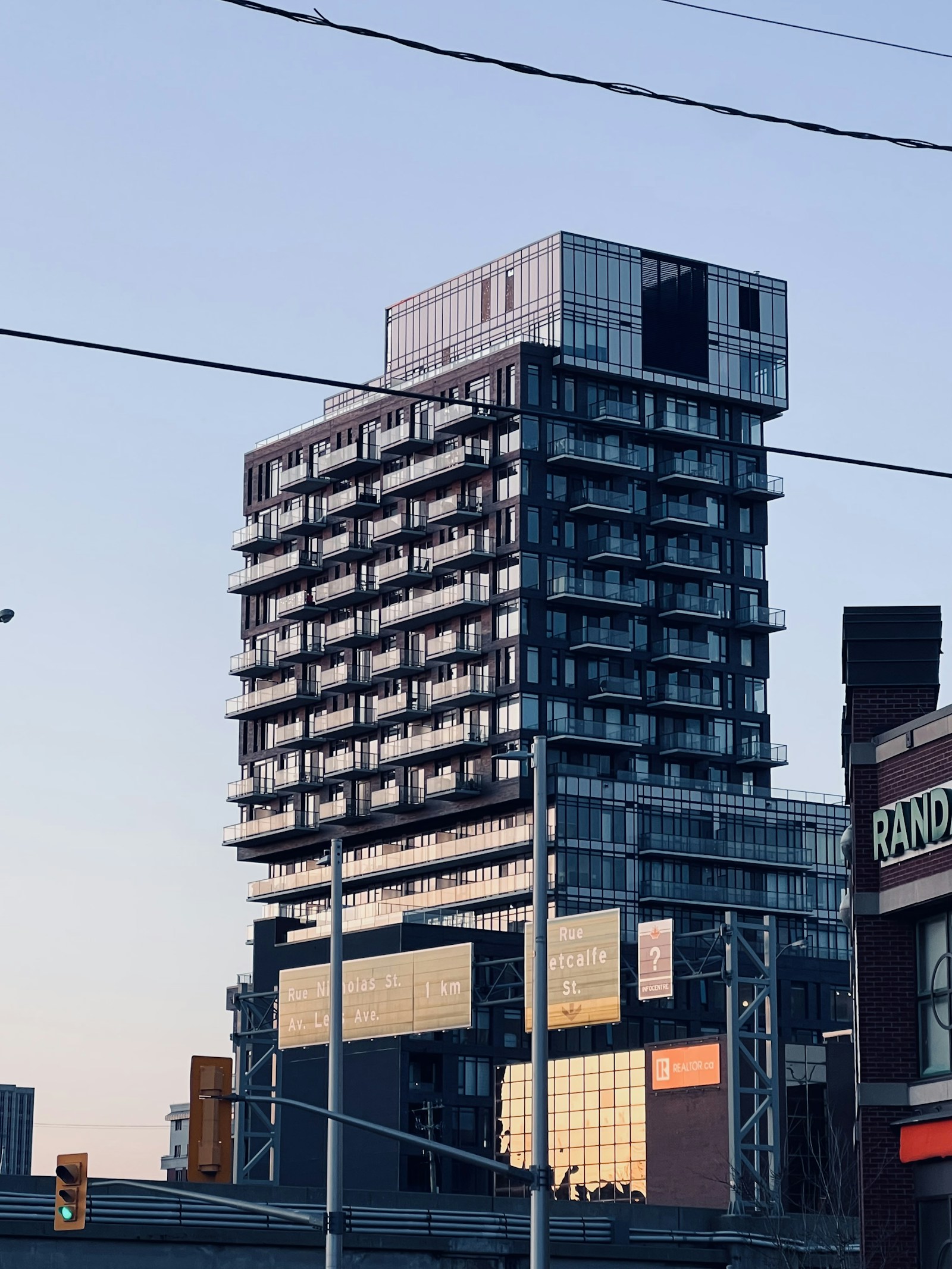
Ottawa Downtown Condo Market: What's Happening in 2026?

If you've been following Ottawa real estate lately, you've probably heard one recurring theme: the downtown condo market is moving differently than the rest of the city.

While detached homes in many neighbourhoods continue to see steady demand, downtown condominiums have experienced rising inventory, longer selling times, and increased buyer choice.

For first-time buyers, investors, downsizers, and young professionals, this shift is creating opportunities that haven't existed in several years.

So, what's really happening in Ottawa's downtown condo market, and what does it mean for buyers and sellers?

Let's take a closer look.


Why Downtown Condos Are Getting More Attention

Downtown Ottawa has always attracted a unique mix of buyers.

Popular with:

  • Young professionals

  • Government employees

  • University students

  • Investors

  • Downsizers

  • First-time buyers

Downtown condos offer something many suburban properties can't: walkability.

Residents enjoy easy access to:

  • LRT stations

  • Restaurants

  • Coffee shops

  • Parliament Hill

  • ByWard Market

  • Elgin Street

  • The Rideau Canal

  • Major employment hubs

For many buyers, lifestyle remains one of the biggest selling points.


Inventory Has Increased

One of the biggest stories in 2026 has been the increase in available condo inventory.

Compared to the highly competitive market of 2021 and early 2022, buyers now have significantly more options.

This means:

  • More listings to choose from

  • Less pressure to make immediate decisions

  • More conditional offers being accepted

  • Greater negotiating power

For buyers who felt priced out or rushed during previous years, today's market feels much more balanced.


Condo Buyers Have More Leverage

Unlike the frenzy of past years, buyers are no longer competing for every available unit.

Many downtown condo listings are taking longer to sell, which gives buyers more opportunities to:

  • Negotiate purchase prices

  • Request conditions

  • Review status certificates carefully

  • Compare multiple buildings before committing

This doesn't mean every condo is a bargain, but buyers generally have more leverage than they did a few years ago.


Popular Downtown Condo Buildings to Watch

Not all buildings perform equally.

Some continue to attract strong demand due to their location, amenities, reputation, and rental appeal.

105 Champagne Avenue South

Located in Little Italy, this building remains popular among:

  • Young professionals

  • Carleton University students

  • Medical professionals

  • Investors

Benefits include:

  • Steps from the O-Train

  • Walking distance to Dow's Lake

  • Close to Carleton University

  • Easy access to downtown

It's one of the more sought-after buildings for both owners and tenants.


SOBA – 203 Catherine Street

SOBA has become one of Ottawa's most recognizable condo developments.

Highlights include:

  • Modern design

  • Rooftop amenities

  • Downtown location

  • Strong appeal to young professionals

  • Walkability to the Glebe and Centretown

The building continues to attract buyers looking for an urban lifestyle.


Gotham – 224 Lyon Street North

Gotham stands out thanks to its unique architecture and loft-inspired interiors.

Features include:

  • Floor-to-ceiling windows

  • Modern layouts

  • Downtown location

  • Close proximity to Lyon LRT Station

For buyers who value design and transit access, Gotham remains a popular option.


429 Kent Street

This boutique downtown building offers:

  • Larger layouts

  • Walkability

  • Convenient downtown access

  • Strong value compared to some newer towers

It continues to attract both first-time buyers and professionals.


The Bowery – 255 Bay Street

One of Centretown's best-known towers.

Popular features include:

  • Rooftop amenities

  • Fitness facilities

  • Modern finishes

  • Strong downtown location

The Bowery remains a favourite among professionals working in the downtown core.


Claridge Plaza – 200 Rideau Street

Located near the ByWard Market, Claridge Plaza remains a strong option for buyers wanting a central location.

Benefits include:

  • Pool and fitness facilities

  • Walkability

  • LRT access

  • University of Ottawa proximity


Condo Fees Matter More Than Ever

As inventory increases, buyers are paying closer attention to monthly condo fees.

When evaluating a condo, it's important to understand:

  • What utilities are included

  • Reserve fund health

  • Building maintenance costs

  • Future repair obligations

  • Amenities offered

A lower purchase price doesn't always mean lower monthly ownership costs.

Savvy buyers are looking at the full financial picture.


Investors Are Watching the Market Closely

Downtown Ottawa remains attractive to investors because of its strong rental demand.

Key rental drivers include:

  • Federal government employment

  • University of Ottawa

  • Carleton University

  • Healthcare sector workers

  • Downtown professionals

However, investors are becoming more selective.

Factors such as condo fees, cash flow, vacancy rates, and future supply are receiving greater scrutiny than they did during the ultra-low interest rate environment.


The Condo Supply Story

A major trend worth watching is new construction.

Thousands of apartment-style units remain under construction across Ottawa.

As more projects are completed, buyers may continue to benefit from:

  • Increased inventory

  • Greater competition among sellers

  • More choice

However, Ottawa's rental market remains relatively strong, which may help absorb some of this future supply.


Is Now a Good Time to Buy a Downtown Condo?

For many buyers, the answer may be yes.

Current conditions offer several advantages:

More Selection

Buyers can compare buildings, layouts, views, and locations without feeling rushed.

Better Negotiation Opportunities

Many sellers are more willing to negotiate than they were during previous years.

Lifestyle Benefits

Downtown living continues to offer unmatched convenience and walkability.

Long-Term Potential

Ottawa's downtown core remains a desirable location with strong employment fundamentals and ongoing infrastructure investment.


What Sellers Need to Know

If you're selling a downtown condo in today's market, pricing strategy is critical.

Successful sellers are:

  • Pricing realistically

  • Investing in professional photography

  • Presenting units well

  • Being flexible during negotiations

The days of simply listing and waiting for multiple offers are largely behind us in many downtown condo segments.


Frequently Asked Questions

Are condo prices falling in downtown Ottawa?

Some condo segments have experienced softer pricing due to increased inventory, but market conditions vary significantly by building and location.

Is downtown Ottawa a buyer's market?

Many condo segments currently favour buyers more than they did a few years ago due to higher inventory and increased selection.

Are downtown Ottawa condos a good investment?

They can be, particularly in well-managed buildings located near transit, universities, and major employment centres.

Which downtown Ottawa condo buildings are popular?

Buildings such as 105 Champagne Avenue South, SOBA, Gotham, The Bowery, Claridge Plaza, and 429 Kent Street continue to attract attention from buyers and investors.

Are condo fees increasing?

Many buildings have seen fee increases due to rising operating and maintenance costs, making reserve fund health and building management more important than ever.

Should I buy a condo or a townhouse?

It depends on your lifestyle and budget. Condos offer convenience and lower maintenance, while townhouses typically provide more space and fewer shared elements.


Final Thoughts

The Ottawa downtown condo market is undergoing a transition. Inventory has increased, buyers have gained more negotiating power, and condo performance is becoming increasingly building-specific.

For buyers, this may be one of the best opportunities in years to secure a well-located downtown condo without facing the intense competition seen during previous market peaks.

For sellers, success depends on realistic pricing, strong marketing, and understanding how your building compares to competing listings.

As always, real estate is hyper-local. While city-wide headlines provide context, the real story often comes down to individual buildings, locations, and property types. Whether you're considering 105 Champagne Avenue South in Little Italy, SOBA in Centretown, Gotham near Lyon Station, or another downtown development, understanding the micro-market is more important than ever.
Read

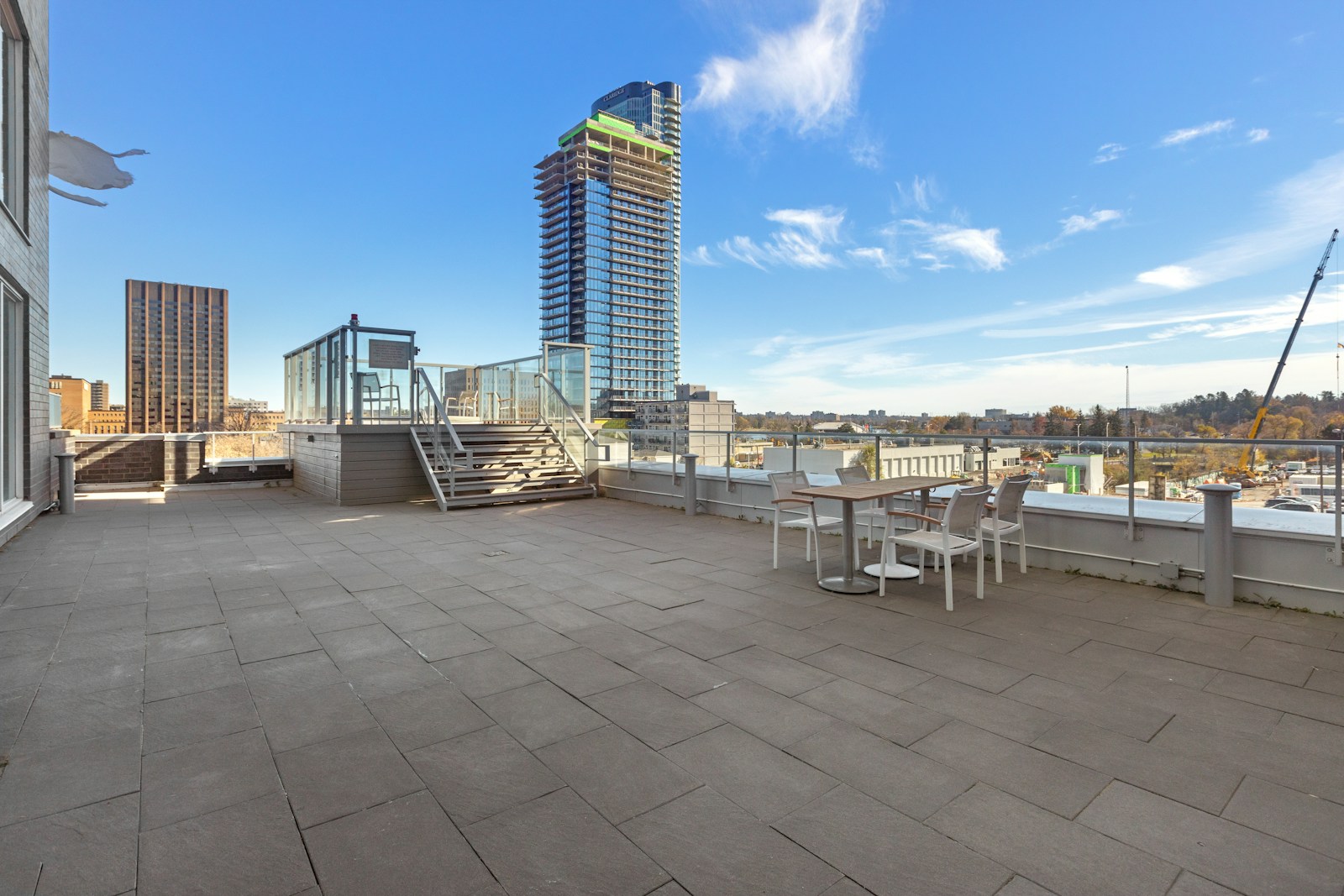
Is Ottawa Becoming a Condo Buyer's Market? Here's What Buyers Need to Know (2026)

If you've been watching Ottawa real estate this year, you've probably noticed one trend: condos are taking longer to sell than they were just a few years ago.

While detached homes and well-priced townhouses continue to attract strong demand, many condominium listings are sitting on the market longer, giving buyers more negotiating power than they've had in years.

Does that mean Ottawa is officially a condo buyer's market?

Not everywhere—but in many segments, buyers are certainly gaining the upper hand.

Here's what's happening and which Ottawa condo buildings are worth keeping an eye on.


What Is a Buyer's Market?

A buyer's market occurs when there are more homes for sale than there are active buyers.

For condo purchasers, that often means:

  • More listings to choose from

  • Longer time to make decisions

  • Fewer bidding wars

  • More room to negotiate on price

  • Greater chance of including financing and inspection conditions

Compared to the pandemic market of 2021 and early 2022, today's condo market is much less competitive.


Why Condos Have Slowed Down

Several factors are contributing to softer condo demand.

Higher Condo Fees

As buildings age, operating costs often increase. Buyers are paying closer attention to monthly condo fees and what they include.

A condo with a lower purchase price but very high monthly fees may not be as affordable as it first appears.


Interest Rates Changed Buyer Budgets

Although borrowing costs have stabilized compared to recent years, higher mortgage rates than those seen during the pandemic continue to affect affordability.

Many buyers who once qualified for a downtown condo are now comparing those monthly costs with townhomes in suburban communities.


More Inventory

There are simply more condos available today than there were a few years ago.

This gives buyers the luxury of comparing multiple buildings, layouts, and locations before making an offer.


Where Buyers Are Finding Opportunities

Not every condo building is experiencing the same level of demand.

Here are a few buildings that continue to stand out for different types of buyers.


105 Champagne Avenue South – Little Italy

One of the best options for students and young professionals.

Why it's popular:

  • Steps to Carling O-Train Station

  • Walking distance to Carleton University

  • Close to Dow's Lake

  • Easy commute to downtown

  • Modern amenities

  • Strong rental demand

If you've worked with buyers or investors in this building, you'll know it has remained one of Little Italy's most desirable condo addresses.


SOBA – 203 Catherine Street

Located on the edge of Centretown and the Glebe, SOBA attracts buyers looking for an urban lifestyle.

Highlights include:

  • Modern architecture

  • Rooftop amenities

  • Walkable location

  • Close to Elgin Street and Bank Street

  • Popular with professionals

As more inventory becomes available downtown, buyers often have greater flexibility when negotiating in buildings like SOBA.


Gotham – 224 Lyon Street North

One of Ottawa's most recognizable condo buildings.

Why buyers like Gotham:

  • Loft-inspired layouts

  • Floor-to-ceiling windows

  • Downtown location

  • Steps to Lyon LRT Station

  • Popular with professionals working in the core

For buyers who value design and transit access, Gotham remains a standout.


429 Kent Street

This boutique downtown building continues to attract first-time buyers and professionals.

Benefits include:

  • Walkability

  • Larger layouts than many newer condos

  • Easy access to restaurants and cafés

  • Close to Parliament Hill

Compared to newer luxury towers, buyers may find better value per square foot here.


The Bowery – 255 Bay Street

The Bowery has become one of Centretown's landmark condo towers.

Features include:

  • Fitness centre

  • Party room

  • Rooftop amenities

  • Modern finishes

  • Walking distance to the downtown business district

Buyers considering newer construction should compare prices here with other downtown options before making a decision.


Cathedral Hill – 428 Sparks Street

If you're looking for luxury, Cathedral Hill deserves consideration.

Known for:

  • Premium finishes

  • Views of the Ottawa River

  • High-end amenities

  • Excellent location near Parliament Hill

Luxury condos have generally seen slower activity than entry-level units, creating opportunities for well-qualified buyers.


Claridge Plaza – 200 Rideau Street

For buyers wanting to live in the ByWard Market area, Claridge Plaza remains a popular choice.

Pros include:

  • Indoor pool

  • Gym

  • Walkability

  • LRT access

  • Close to the University of Ottawa

Because several buildings compete in this area, buyers often have more options than they did a few years ago.


What Buyers Should Look for Beyond Price

Choosing the right condo isn't just about the purchase price.

Pay attention to:

Condo Fees

Understand exactly what they cover. Some include heat, water, building insurance, and amenities, while others cover less.

Reserve Fund

A healthy reserve fund helps prepare for future repairs and can reduce the risk of large special assessments.

Status Certificate

Review the building's financial health, bylaws, insurance, and any ongoing legal matters before purchasing.

Amenities

Think about which amenities you'll actually use. A rooftop terrace or gym can be a great feature, but it also contributes to monthly operating costs.

Future Resale Value

Buildings close to LRT stations, universities, hospitals, and employment hubs often maintain stronger long-term demand.


Is Now a Good Time to Buy a Condo?

For many buyers, the answer is yes.

Compared to recent years, today's market offers:

  • More inventory

  • Less competition

  • Greater negotiating power

  • More conditional offers being accepted

If you've been waiting for a less stressful buying experience, this could be one of the better opportunities we've seen in several years.

That doesn't mean every condo is a bargain, but buyers generally have more leverage than they did during Ottawa's hottest market.


Frequently Asked Questions

Is Ottawa currently a buyer's market for condos?

In many price ranges, yes. Increased inventory and longer days on market have created better conditions for buyers than during the pandemic market.

Are condo prices falling?

Some buildings and neighbourhoods have seen softer pricing, while others have remained relatively stable. Location, condo fees, amenities, and building reputation all play a role.

What should I look for before buying a condo?

Review the status certificate, reserve fund, condo fees, building rules, and recent sales before making an offer.

Which Ottawa condo buildings are good for young professionals?

Buildings such as 105 Champagne Avenue South, SOBA (203 Catherine Street), Gotham (224 Lyon Street North), 429 Kent Street, and The Bowery (255 Bay Street) remain popular because of their walkability, transit access, and proximity to major employment centres.

Are condos a good investment in Ottawa?

They can be, particularly in buildings with strong management, reasonable condo fees, desirable locations, and consistent rental demand.

Should I buy a condo or a townhouse?

It depends on your budget and lifestyle. Condos typically require less maintenance and offer urban convenience, while townhouses provide more living space and fewer shared elements.


Final Thoughts

Ottawa's condo market has shifted, giving buyers more choices and greater negotiating power than they've had in years. While detached homes in many neighbourhoods continue to move quickly, many condo buyers can now take their time, compare buildings, and negotiate more favourable terms.

If you're considering condo living, focus on buildings with proven management, healthy reserve funds, reasonable fees, and locations that will remain desirable over the long term. Buildings like 105 Champagne Avenue South, 203 Catherine Street (SOBA), 224 Lyon Street North (Gotham), 429 Kent Street, 255 Bay Street (The Bowery), and 428 Sparks Street (Cathedral Hill) continue to be among Ottawa's stronger options for both homeowners and investors.

As always, every building is different. Looking beyond the listing price—and understanding the building itself—is what often separates a good purchase from a great one.

Read

Best Starter Condos in Ottawa for Young Professionals: 6 Buildings You Should Know (2026 Guide)

If you’re entering the market, you’re probably searching for the Best Starter Condos in Ottawa for Young Professionals. In Ottawa, the right condo can give you walkability, lifestyle, and long-term value—all without stretching your budget too far.

This guide isn’t generic. These are real, well-known buildings that young professionals consistently target because of location, vibe, and livability.


🧠 What Makes a Good Starter Condo in Ottawa?

Before jumping into specific buildings, here’s what actually matters:

  • Walkability (downtown, transit access)

  • Modern layouts (open concept, efficient space)

  • Rental demand (future flexibility)

  • Amenities (gym, concierge, etc.)

  • Resale value


🏙️ 1. 105 Champagne Ave S

One of the most popular answers to Best Starter Condos in Ottawa for Young Professionals.

Why It Stands Out

  • Steps to Little Italy

  • Close to LRT (Carling station)

  • Modern finishes and floor-to-ceiling windows


Lifestyle

  • Walk to restaurants, cafes, and nightlife

  • Close to downtown and Carleton University


Ideal Buyer

  • Young professionals

  • First-time buyers

  • Investors


🏙️ 2. 429 Kent Street

A solid downtown option that offers great value.

What You Get

  • Larger unit sizes compared to newer builds

  • Central location

  • More affordable entry point


Why It’s Popular

  • Walking distance to everything

  • Strong rental demand

  • Practical layouts


🏙️ 3. 203 Catherine Street (SOBA)

A newer, modern building with a strong reputation.

Highlights

  • Sleek design and modern finishes

  • Strong amenities

  • Popular with young professionals


Location Perks

  • Close to Centretown

  • Easy access to transit

  • Walkable to restaurants and shops


🏙️ 4. 224 Lyon Street North (Gotham)

One of Ottawa’s most iconic condo buildings.

What Makes It Unique

  • Industrial loft-style design

  • Exposed concrete ceilings

  • Trendy, urban feel


Who It Attracts

  • Professionals wanting a “cool” vibe

  • Buyers tired of cookie-cutter condos


🏙️ 5. 245 Kent Street

A reliable and well-managed building.

Key Features

  • Larger, more functional layouts

  • Good building management

  • Strong resale history


Why It’s a Safe Choice

  • Less risk compared to newer builds

  • Consistent demand


🏙️ 6. 255 Bay Street

A newer high-rise with great amenities.

Highlights

  • Rooftop pool and lounge

  • Gym and concierge

  • Modern finishes


Lifestyle

  • Downtown living at its best

  • Close to Parliament and business district


📊 Quick Comparison

Building AddressVibeBest For
105 Champagne Ave STrendy + modernLifestyle buyers
429 Kent StPractical + valueBudget-conscious buyers
203 Catherine (SOBA)Sleek + newFirst-time buyers
224 Lyon (Gotham)Unique + loft-styleDesign-focused buyers
245 Kent (Hudson Park)Reliable + spaciousLong-term stability
255 Bay (Bowery)Luxury-liteAmenity-focused buyers

💰 Price Range for Starter Condos (2026)

For these types of buildings:

  • Studio: $300K – $400K

  • 1-bedroom: $400K – $550K

  • 1+den: $450K – $650K


📍 Why Location Matters

Most of the Best Starter Condos in Ottawa for Young Professionals are located in:

  • Centretown

  • Downtown core

  • Little Italy


Why These Areas Work

  • Walkability

  • Transit access

  • Close to work and nightlife


🧠 Key Local Insight (Most Buyers Miss This)

Here’s what many people don’t realize:

  • Condo fees vary significantly between buildings

  • Older buildings may offer better layouts and value

  • Some newer buildings have smaller units but better amenities

  • Rental potential is strongest downtown


⚠️ What to Watch Out For

Before buying:

  • Review status certificate

  • Check condo fees and what’s included

  • Look at building management reputation

  • Understand resale demand


👨‍💼 Who These Condos Are Perfect For

These buildings are ideal for:

  • First-time buyers

  • Young professionals working downtown

  • Investors targeting rental income

  • Downsizers wanting urban living


Frequently Asked Questions

1. What is the best condo for young professionals in Ottawa?

105 Champagne Ave S and SOBA are among the most popular.

2. What is a good budget for a starter condo?

Typically $400K–$600K.

3. Are downtown condos a good investment?

Yes, especially for rental demand.

4. What condo fees should I expect?

Usually $300–$700/month depending on building and amenities.

5. Is it better to buy new or older condos?

Both have pros—newer = amenities, older = more space.

6. Which area is best for condo living?

Centretown and Little Italy are top choices.


Final Thoughts

Finding the Best Starter Condos in Ottawa for Young Professionals comes down to balancing lifestyle, budget, and long-term value. Buildings like 105 Champagne, SOBA, and Gotham stand out because they offer exactly what young buyers want: location, style, and convenience.

If you focus on the right building in the right area, your first condo can be both a great place to live—and a smart investment.

Read

What $500K Buys You in an Ottawa Condo: A Realistic 2026 Guide

If you're shopping for a condo and wondering what your budget can realistically get you, you're not alone. One of the most common questions buyers ask is: What $500K Buys You in an Ottawa Condo.

In today’s market, Ottawa offers a wide range of condo options at the $500,000 price point—from modern downtown units to more spacious suburban layouts. However, what you get for $500K can vary significantly depending on location, building age, amenities, and demand.

In this guide, we’ll break down what to expect, where to buy, and how to maximize your budget when purchasing a condo in Ottawa.


Is $500K a Good Budget for an Ottawa Condo?

Yes—$500K is considered a solid mid-range budget in Ottawa’s condo market.

At this price point, buyers can typically expect:

  • A one-bedroom + den or two-bedroom condo

  • Modern finishes (in newer buildings)

  • Access to amenities

  • Prime or near-prime locations

However, trade-offs may be necessary depending on your priorities.


What Type of Condo Can You Expect?

When exploring What $500K Buys You in an Ottawa Condo, here’s a general breakdown:

1-Bedroom + Den

  • Common in downtown and central areas

  • Ideal for professionals or couples

  • May include balcony and modern upgrades


2-Bedroom Units

  • More likely in suburban or older buildings

  • Better for small families or roommates


Loft or Boutique Condos

  • Unique layouts

  • Often found in converted or smaller buildings


Best Areas to Buy a $500K Condo in Ottawa

Location plays a major role in what your budget gets you.


Downtown & Centretown

Living in central Ottawa offers convenience and walkability.

What $500K Gets You:

  • 1-bedroom + den

  • Smaller 2-bedroom in older buildings

  • High-rise living with amenities

Lifestyle Perks:

  • Walk to work, restaurants, and shops

  • Close to transit and nightlife


Westboro

A trendy and upscale neighbourhood.

What $500K Gets You:

  • Smaller modern units

  • High-end finishes in compact spaces

Lifestyle Perks:

  • Boutique shops and cafes

  • Access to green space and trails


Hintonburg

A rapidly growing and vibrant area.

What $500K Gets You:

  • Stylish condos

  • 1-bedroom + den or compact 2-bedroom

Lifestyle Perks:

  • Artsy atmosphere

  • Close proximity to downtown


Orleans

A more affordable suburban option.

What $500K Gets You:

  • Larger 2-bedroom condos

  • Newer developments

Lifestyle Perks:

  • Quiet, family-friendly environment

  • More space for your money


South Ottawa

Includes areas near universities and transit.

What $500K Gets You:

  • Spacious layouts

  • Strong rental potential


Condo Features You Can Expect

At the $500K price point, many condos include desirable features.

Interior Features

  • Open-concept layouts

  • Updated kitchens

  • Stainless steel appliances

  • In-unit laundry


Building Amenities

  • Fitness center

  • Party room

  • Rooftop terrace

  • Concierge (in newer buildings)


Outdoor Space

  • Balcony or terrace (common but not guaranteed)


Condo Fees: What to Expect

Monthly condo fees are an important part of your budget.

Typical range:

  • $300 – $700+ per month

Fees may cover:

  • Building maintenance

  • Heat and water

  • Amenities

  • Reserve fund contributions

Always review what’s included before purchasing.


Trade-Offs at the $500K Price Point

Understanding What $500K Buys You in an Ottawa Condo means recognizing potential compromises.

Common Trade-Offs

  • Smaller unit size in prime locations

  • Older buildings for larger space

  • Limited parking availability

  • Higher condo fees in amenity-rich buildings

Balancing location vs. size is key.


Is $500K Enough for a Luxury Condo?

In most cases, $500K falls just below the luxury threshold in Ottawa.

Luxury condos typically start around:

  • $700,000 and above

However, you may still find:

  • Entry-level luxury units

  • Boutique buildings with premium finishes


Investment Potential

Condos in this price range can be strong investment opportunities.

Why Investors Like $500K Condos

  • Affordable entry point

  • High rental demand

  • Good resale potential

Areas near transit and downtown tend to perform best.


Who Should Buy at This Price Point?

A $500K condo is ideal for:

  • First-time buyers

  • Young professionals

  • Downsizers

  • Investors

It offers a balance between affordability and lifestyle.


Tips for Buyers

To make the most of your budget:

  • Get pre-approved before shopping

  • Prioritize location vs. size

  • Review condo documents carefully

  • Compare multiple buildings

  • Work with a local real estate expert


Frequently Asked Questions

1. Is $500K enough to buy a condo in Ottawa?

Yes, it’s a strong budget for a mid-range condo.

2. Can I get a 2-bedroom condo for $500K?

Yes, especially in suburban or older buildings.

3. Are condo fees high in Ottawa?

They vary, but typically range from $300 to $700+ per month.

4. Is downtown Ottawa worth it at this price?

Yes, but expect smaller units.

5. Are $500K condos good investments?

Yes, especially in high-demand areas near transit.

6. Should I buy new or resale?

Both have advantages—new offers modern features, resale may offer more space.


Final Thoughts

Understanding What $500K Buys You in an Ottawa Condo helps set realistic expectations and make smarter buying decisions. With this budget, you can access a variety of options across Ottawa—from vibrant downtown living to spacious suburban units.

By focusing on your priorities and working with the right professionals, you can find a condo that fits both your lifestyle and your long-term goals.

Read

Condos in Ottawa Near LRT Stations: The Ultimate Guide for Buyers and Investors

If you're searching for convenience, connectivity, and long-term value, Condos in Ottawa Near LRT Stations are among the most in-demand real estate options today. With the expansion of Ottawa’s light rail system, more buyers are prioritizing transit access when choosing where to live.

In Ottawa, the Light Rail Transit system—commonly known as the O-Train—connects key neighbourhoods across the city, making commuting faster and more efficient. Living near an LRT station not only improves daily life but can also increase property value over time.

In this guide, we’ll explore the best areas for condos near LRT stations, benefits of transit-oriented living, pricing trends, and what buyers should know before investing.


Why Choose Condos Near LRT Stations?

When considering Condos in Ottawa Near LRT Stations, location is everything.

Key Benefits

  • Faster commute times

  • Reduced reliance on a car

  • Lower transportation costs

  • Higher resale value

  • Strong rental demand

Transit-accessible properties are especially appealing to young professionals, students, and government workers.


Overview of Ottawa’s LRT System

Ottawa’s LRT system is operated by OC Transpo and continues to expand.

Main Lines

  • Confederation Line (Line 1) – Runs east to west

  • Trillium Line (Line 2) – Runs north to south

These lines connect major employment hubs, downtown, and suburban communities.


Best Areas for Condos Near LRT Stations

Let’s explore some of the top neighbourhoods offering Condos in Ottawa Near LRT Stations.


Downtown & Centretown

Downtown is the heart of the city and one of the most desirable locations for condo living.

Nearby Stations:

  • Parliament

  • Lyon

  • Rideau

Why Live Here:

  • Walking distance to offices and amenities

  • Vibrant lifestyle with restaurants and shops

  • High demand for rentals


Hintonburg & Mechanicsville

These trendy neighbourhoods are growing rapidly.

Nearby Stations:

  • Tunney’s Pasture

  • Bayview

Why Live Here:

  • Artistic and community-focused vibe

  • Close to downtown

  • Popular with young professionals


Westboro

Westboro is one of Ottawa’s most sought-after neighbourhoods.

Nearby Stations:

  • Westboro

  • Dominion

Why Live Here:

  • Boutique shopping and dining

  • Access to outdoor spaces

  • Strong property values


Orleans (East End)

With LRT expansion, Orleans is becoming more accessible.

Nearby Stations:

  • Blair

  • Upcoming east-end stations

Why Live Here:

  • More affordable condos

  • Family-friendly environment

  • Growing transit access


South Ottawa (Trillium Line Areas)

Areas along the Trillium Line are also gaining attention.

Nearby Stations:

  • Carleton

  • Mooney’s Bay

Why Live Here:

  • Close to universities

  • Strong rental demand

  • More budget-friendly options


Average Condo Prices Near LRT Stations

Prices for Condos in Ottawa Near LRT Stations vary by location and building.

Typical Price Ranges

  • Downtown/Centretown: $400,000 – $700,000+

  • Westboro: $500,000 – $800,000+

  • Hintonburg: $450,000 – $750,000

  • Orleans: $350,000 – $550,000

  • South Ottawa: $300,000 – $500,000

Proximity to a station can increase property value and demand.


Investment Potential of LRT-Adjacent Condos

Buying near transit is not just about convenience—it’s also a smart investment.

Why Investors Choose LRT Areas

  • Higher rental demand

  • Better long-term appreciation

  • Easier to attract tenants

  • Lower vacancy rates

As Ottawa continues to expand its transit system, these properties are expected to remain in high demand.


Pros and Cons of Living Near LRT Stations

Pros

  • Easy commuting

  • Reduced need for a car

  • Access to key city areas

  • Strong resale value


Cons

  • Potential noise near stations

  • Higher prices in prime locations

  • Busy surroundings

Balancing these factors is key when choosing the right condo.


What to Look for When Buying

When searching for Condos in Ottawa Near LRT Stations, consider the following:

Building Quality

  • Age of the building

  • Maintenance and management

  • Amenities offered


Condo Fees

Review monthly fees carefully, as they can vary significantly.


Walkability

Check how close the condo is to:

  • Grocery stores

  • Restaurants

  • Parks


Transit Access

Ideally, choose a condo within walking distance of an LRT station.


Future LRT Expansion and Impact

Ottawa’s LRT system is still expanding, which will influence real estate values.

Expected Benefits

  • Increased accessibility to suburbs

  • Rising property values in new transit areas

  • More development near stations

Buying early in developing areas can offer strong long-term gains.


Who Should Buy Condos Near LRT?

These properties are ideal for:

  • First-time buyers

  • Investors

  • Government workers

  • Students

  • Downsizers

Anyone who values convenience and accessibility will benefit.


Tips for Buyers

To make the most of your purchase:

  • Get pre-approved before shopping

  • Work with a local real estate expert

  • Compare multiple buildings

  • Consider long-term growth potential

  • Visit the area during peak hours


Frequently Asked Questions

1. Are condos near LRT stations more expensive?

Yes, they often command higher prices due to demand and convenience.

2. Is it worth buying near an LRT station?

For most buyers, yes—especially for commuting and investment potential.

3. Do LRT expansions affect property values?

Yes. Areas near new stations often see increased demand and appreciation.

4. Are LRT condos good for renting?

Absolutely. They are highly attractive to tenants.

5. How close should I be to a station?

Ideally within a 5–10 minute walk.

6. Are there downsides to living near LRT?

Possible noise and busier surroundings, depending on the location.

Read

Is Downtown Ottawa Making a Comeback? (2026 Update)

For the past few years, one question has lingered in real estate conversations:

Is downtown Ottawa struggling — or staging a comeback?

With remote work reshaping office culture, changing retail patterns, and growing investment in transit and redevelopment, 2026 feels like a turning point.

Here’s an honest look at whether downtown Ottawa is bouncing back — and what it means for buyers, renters, and investors.


📍 What Counts as “Downtown” in Ottawa?

When people say “downtown Ottawa,” they usually mean areas like:

  • Centretown

  • ByWard Market

  • Sandy Hill

  • Golden Triangle

These neighbourhoods offer condo living, walkability, transit access, and proximity to Parliament and major employers.

But they’ve also faced real challenges since 2020.


🏢 1️⃣ Office Vacancy & Remote Work Impact

Ottawa’s downtown core historically relied heavily on federal government workers.

With hybrid work now common in 2026:

  • Office towers remain partially vacant

  • Weekday foot traffic fluctuates

  • Lunch-hour retail isn’t what it used to be

This shift slowed downtown momentum — but it also created opportunity.


🏗️ 2️⃣ Residential Growth Is Increasing

While office demand softened, residential demand didn’t disappear.

Developments in and around:

  • LeBreton Flats

  • The core condo corridor

  • Transit-oriented areas

…are adding more people actually living downtown — not just working there.

That matters.

Cities thrive when people live in them full-time, not just commute in and out.


🚉 3️⃣ Transit Investment Is Supporting Density

Ottawa’s LRT expansion continues shaping growth patterns.

Downtown remains the central hub of the transit network.

As more suburban residents gain reliable rail access, downtown becomes more accessible again — which supports:

  • Condo demand

  • Rental demand

  • Commercial redevelopment

Transit-focused planning suggests long-term confidence in the core.


🍽️ 4️⃣ The Restaurant & Patio Scene Is Stabilizing

While some businesses closed in previous years, new restaurants and cafés have opened.

ByWard Market and Elgin Street continue evolving.

The difference in 2026?

  • More targeted retail

  • More local-focused businesses

  • Less reliance on pure office traffic

Downtown feels more residential than corporate — and that’s changing its identity.


🏠 5️⃣ Condo Prices & Rental Trends

Compared to suburban detached homes, downtown condos remain:

  • More affordable entry points

  • Popular with investors

  • Attractive to young professionals

In 2026, many buyers see downtown as:

  • A lifestyle play

  • A long-term hold

  • A rental opportunity

Price growth hasn’t been explosive — but stability is returning.


👥 6️⃣ Who Is Moving Downtown Now?

Downtown Ottawa in 2026 appeals to:

  • Young professionals

  • Downsizers

  • Students

  • Investors

  • Remote workers who value walkability

It’s less about daily commuters — more about lifestyle residents.


🤔 So… Is It Really a Comeback?

It depends on what you compare it to.

Downtown Ottawa may not return to:

  • 2019 office density

  • Packed weekday lunch crowds

But it is:

  • Becoming more residential

  • Seeing steady condo absorption

  • Benefiting from transit-driven planning

  • Experiencing gradual revitalization

This isn’t a dramatic rebound.

It’s a slow recalibration.


📊 The Bigger Picture

Ottawa has always been a stable-growth city.

Downtown’s recovery reflects that personality:

  • Controlled

  • Gradual

  • Infrastructure-backed

  • Long-term focused

If you’re expecting Toronto-level intensity, you may feel underwhelmed.

If you’re looking for steady urban evolution, the comeback is happening quietly.


🔮 What to Watch Through 2027–2028

Key factors that will determine downtown’s trajectory:

  • Federal return-to-office policies

  • Continued residential conversion projects

  • Safety and streetscape improvements

  • Retail and hospitality reinvestment

If these align, downtown Ottawa could feel significantly stronger within the next few years.


🏁 Final Thoughts

Is downtown Ottawa making a comeback?

Yes — but not in a flashy way.

It’s transitioning from a government-heavy office district into a more balanced, residential urban core.

For buyers and investors, that transition could represent opportunity.

For residents, it means downtown Ottawa in 2026 feels different — less corporate, more livable.

And in the long run, that might be exactly what it needs.

Read

Condo Fees in Ottawa: What’s Normal vs a Red Flag (2026)

If you’re looking at condos in Ottawa, condo fees can feel confusing fast.

Two units can look nearly identical:

  • Same price

  • Same size

  • Same neighbourhood

…but one has $350/month fees and the other is $780/month.

That difference matters — a lot.

This guide breaks down what condo fees actually cover, what’s considered normal in Ottawa in 2026, and which fee patterns should make you pause before buying.


What Condo Fees Actually Pay For

Condo fees aren’t arbitrary. They fund the ongoing operation of the building.

Typically, fees cover:

  • Building insurance (structure, not your contents)

  • Maintenance of common areas

  • Snow removal and landscaping

  • Elevator servicing (if applicable)

  • Reserve fund contributions

  • Property management

Sometimes they also include:

  • Heat or water

  • Amenities (gym, pool, concierge)

  • Older mechanical systems that require more upkeep

Lower fees aren’t always better. Higher fees aren’t always bad. Context is everything.


What’s “Normal” Condo Fees in Ottawa (2026)

Here’s a realistic breakdown for Ottawa condos today:

Newer Buildings (Post-2015)

  • $0.45–$0.60 per sq ft

  • Example: 700 sq ft → $315–$420/month

These buildings usually:

  • Have fewer repairs early on

  • May include heat or water

  • Have smaller reserve fund needs (for now)

Mid-Age Buildings (2000–2015)

  • $0.60–$0.80 per sq ft

  • Example: 800 sq ft → $480–$640/month

This is where many Ottawa condos sit. Fees are higher because:

  • Roofs, elevators, and garages start aging

  • Reserve contributions increase

  • More maintenance becomes unavoidable

Older Buildings (Pre-2000)

  • $0.80–$1.00+ per sq ft

  • Example: 900 sq ft → $720–$900+/month

Higher fees often reflect:

  • Aging infrastructure

  • Major upcoming repairs

  • Larger reserve funding needs

High fees alone aren’t a deal-breaker — but they demand scrutiny.


What Condo Fees Mean for Your Mortgage Approval

This is where many buyers get caught off guard.

Lenders factor 50% of condo fees into your monthly debt calculations.

So a $700/month fee is treated like:

  • ~$350 added to your monthly obligations

That can reduce your buying power by tens of thousands of dollars, especially under stress-test rules.

This is why:

  • A cheaper condo with high fees can be harder to qualify for

  • A slightly more expensive freehold may sometimes be easier to finance


Red Flags Buyers Should Watch For

Not all condo fees are created equal. Here are the patterns that deserve closer inspection.

1. High Fees With Few Inclusions

If fees are high and don’t include utilities, amenities, or concierge services, ask why.

High costs should correlate with real value.

2. Rapid Fee Increases

Review the last 3–5 years of fee history.

Consistent, modest increases = normal
Sudden jumps = potential funding problems

3. Weak Reserve Fund

A low reserve fund usually leads to:

  • Special assessments

  • Sharp fee increases later

Ask for:

  • Reserve fund study

  • Current balance

  • Upcoming planned projects

4. Aging Systems With No Plan

Elevators, garages, windows, roofs — these are expensive.

If major components are near end-of-life and the reserve fund isn’t prepared, buyers eventually pay the difference.

5. Self-Managed or Poorly Managed Condos

Good management doesn’t mean cheap management.

Well-run buildings:

  • Plan ahead

  • Communicate clearly

  • Avoid financial surprises


When Higher Fees Can Actually Be Okay

Some higher-fee condos still make sense.

Examples:

  • Fees include heat, water, and air conditioning

  • Strong reserve fund with future repairs already budgeted

  • Prime downtown locations with full-time staff

  • Buildings with historically stable finances

In these cases, higher fees can equal lower risk, not higher.


Bottom Line: Don’t Judge Fees in Isolation

Condo fees should always be evaluated alongside:

  • Building age

  • Reserve fund health

  • Inclusions

  • Long-term maintenance plan

  • Your mortgage qualification limits

The goal isn’t the lowest fee — it’s the most predictable ownership cost over time.


Thinking About Buying a Condo in Ottawa?

Before you commit, it’s worth reviewing:

  • Condo documents

  • Fee trends

  • How fees affect your buying power

If you want a second set of eyes on a building you’re considering, that kind of due diligence can save you real money — and real stress — long after closing.

Read

Condo vs Freehold in Ottawa: Income Needed (2026)

One of the biggest decisions Ottawa buyers face in 2026 isn’t just where to buy — it’s what type of home makes sense financially.

A common assumption is that condos always require less income than freehold homes. In reality, once condo fees, taxes, and lender rules are factored in, the income difference is often much smaller than buyers expect.

This guide breaks down how much income you need to buy a condo vs a freehold home in Ottawa in 2026, and why the cheaper purchase price doesn’t always mean easier qualification.


How Lenders Calculate Income Qualification

Mortgage approval isn’t based on price alone. Lenders look at your monthly carrying costs, stress-tested at higher interest rates.

They typically include:

  • Mortgage payment (stress-test rate)

  • Property taxes

  • Heating costs

  • 50% of condo fees (important)

  • Any other monthly debts

Because condo fees are partially counted, they directly reduce how much mortgage you qualify for.


Income Needed to Buy a Condo in Ottawa (2026)

Why Condos Look Attractive

  • Lower purchase prices

  • Smaller minimum down payments

  • Central locations and amenities

Condos are often the entry point for first-time buyers — but the monthly math matters.

The Condo Fee Reality

In Ottawa, condo fees in 2026 commonly range from $350–$700+ per month, depending on:

  • Building age

  • Amenities

  • Reserve fund health

  • Utilities included

Lenders usually count half of that fee toward your debt ratios. A $600/month fee can significantly reduce affordability.

When Condos Require More Income Than Expected

  • High condo fees

  • Underground parking not included

  • Higher property taxes in central areas

In some cases, buyers need similar income for a condo as for a modest freehold townhome.


Income Needed to Buy a Freehold Home in Ottawa (2026)

Why Freeholds Look Harder

  • Higher purchase prices

  • Larger down payments

  • Maintenance responsibility

Freehold homes — especially townhomes — are often perceived as out of reach.

Where Freeholds Can Be Easier to Qualify

Freehold homes:

  • Have no condo fees counted by lenders

  • Offer more predictable monthly costs

  • Often qualify more cleanly at similar price points

For buyers comparing a higher-priced condo with fees vs a slightly higher-priced freehold without fees, income requirements can be surprisingly close.


Condo vs Freehold: Income Comparison in Practice

While exact numbers vary by rate and debt load, the pattern often looks like this:

  • Lower-priced condo + high fees → higher-than-expected income requirement

  • Mid-priced freehold townhome → similar or slightly lower income requirement

This surprises many first-time buyers who focus only on the listing price.


Single Income vs Dual Income Buyers

  • Single buyers often lean toward condos for entry price, but must watch fees carefully

  • Dual-income households often qualify for freehold townhomes sooner than expected

Income stability and consistency matter as much as total earnings.


The Role of Down Payment

A larger down payment:

  • Lowers monthly payments

  • Improves debt ratios

  • Expands choice between condo and freehold

Buyers with stronger down payments often gain flexibility to move away from high-fee condos.


Lifestyle vs Financial Reality

Beyond income, lifestyle matters:

  • Condos offer convenience and predictable maintenance

  • Freeholds offer control, space, and long-term flexibility

The best choice balances budget comfort and lifestyle fit.


Common Buyer Mistake

Many buyers compare only:

  • Purchase price

  • Monthly mortgage payment

But income qualification depends on total monthly obligations, including fees and taxes.


So, Which Requires More Income in Ottawa?

There’s no universal answer.

  • Some condos require more income than expected

  • Some freeholds require less income than expected

This is why side-by-side calculations matter more than rules of thumb.


Want a Personalized Condo vs Freehold Income Breakdown?

Online calculators rarely account for condo fees, Ottawa tax differences, or lender stress tests.

If you’re deciding between a condo and freehold home in Ottawa in 2026, a personalized comparison using real listings can clarify what truly fits your income.

Happy to walk through the numbers with you.

Read

Buying a Condo in Ottawa (2026): Red Flags First-Time Buyers Miss

Condos are often the most accessible entry point for first-time buyers in Ottawa — but they also come with risks that aren’t obvious from a listing or a quick showing.

In 2026, many costly condo mistakes aren’t about price. They’re about buildings, documents, and long-term costs buyers don’t fully understand until it’s too late.

This guide covers the most common condo red flags first-time buyers miss in Ottawa — and how to spot them before you commit.


🚩 1. Low Condo Fees That Look “Too Good”

Low fees are often marketed as a benefit. Sometimes they are — sometimes they’re a warning sign.

What low fees can indicate:

  • Underfunded reserve fund

  • Deferred maintenance

  • Upcoming special assessments

A healthy condo balances fees with realistic maintenance planning.


🚩 2. A Weak or Shrinking Reserve Fund

The reserve fund pays for major repairs like:

  • Roofs

  • Elevators

  • Windows

  • Parking garages

Red flags include:

  • Minimal annual contributions

  • Reserve studies that are outdated

  • Major repairs scheduled without funding in place

A poor reserve fund often leads to surprise costs later.


🚩 3. Special Assessments History

Past special assessments matter.

Multiple assessments can signal:

  • Poor financial planning

  • Ongoing structural issues

  • Chronic underfunding

One assessment isn’t always a dealbreaker — patterns are.


🚩 4. High Owner-to-Renter Ratio (or the Opposite)

Extreme ratios on either end can be problematic.

  • Very high rental ratios may affect financing and upkeep

  • Very low rental flexibility can limit future options

Balanced buildings tend to perform better long term.


🚩 5. Aging Buildings With No Upgrade Plan

Older buildings aren’t bad — unmanaged ones are.

Watch for:

  • Original plumbing or electrical systems

  • No plan for elevator or garage upgrades

  • Deferred envelope repairs

Age should come with a clear roadmap, not uncertainty.


🚩 6. Poor Property Management

Management quality directly affects your experience.

Signs of poor management:

  • Slow response times

  • Disorganized records

  • Frequent turnover

Strong management protects both lifestyle and resale value.


🚩 7. Restrictive Rules You Didn’t Notice

Rules can impact daily life.

Pay attention to:

  • Pet restrictions

  • Short-term rental bans

  • Renovation approval requirements

What seems minor now can matter later.


🚩 8. Location Within the Building

Two identical units can have very different outcomes.

Consider:

  • Proximity to garbage rooms or elevators

  • Exposure to noise or traffic

  • Natural light and airflow

Internal location affects comfort and resale.


🚩 9. Parking and Storage Assumptions

Never assume parking or storage is included.

Confirm:

  • Ownership vs rental

  • Transferability on resale

  • Guest parking availability

These details affect both convenience and value.


🚩 10. Skipping a Full Document Review

Condo documents matter as much as the unit itself.

Documents to review include:

  • Status certificate

  • Financial statements

  • Reserve fund study

  • Rules and bylaws

This step protects you from surprises.


Condos Can Be a Smart First Home — If You Buy the Right One

Well-managed condos in strong locations continue to perform well in Ottawa.

The key isn’t avoiding condos — it’s avoiding bad buildings.


Want Help Vetting a Condo Before You Buy?

Listings don’t tell the whole story. A proper condo review can uncover risks early.

If you’re considering a condo in Ottawa in 2026, a pre-offer review of the building, fees, and documents can help you buy with confidence.

Happy to help you avoid the common condo pitfalls.

Read

Condo vs Freehold in Ottawa (2026): What First-Time Buyers Should Know

If you’re buying your first home in Ottawa in 2026, one of the biggest decisions you’ll face is condo vs freehold.

Both can be smart choices — and both can be mistakes — depending on your budget, lifestyle, and long-term plans. The key is understanding the real trade-offs beyond the listing price.

This guide breaks down condos vs freehold homes in Ottawa in 2026 so you can choose with clarity, not pressure.


What Counts as a Condo vs Freehold?

Condo ownership typically includes:

  • Apartment-style condos

  • Stacked townhouses

  • Some row townhomes with condo fees

You own your unit, but share ownership of common elements and pay monthly condo fees.

Freehold ownership includes:

  • Detached homes

  • Semi-detached homes

  • Traditional freehold townhomes

You own the land and structure, with no monthly condo fees.


Upfront Cost Comparison (2026 Reality)

For many first-time buyers, condos are the more accessible entry point.

  • Condos generally require a lower purchase price

  • Down payment requirements may be easier to meet

  • Closing costs are often slightly lower

Freehold homes typically come with a higher purchase price, but no ongoing condo fees.


Monthly Costs: The Real Difference

This is where the decision often changes.

Condo Monthly Costs

  • Mortgage payment

  • Condo fees (can vary widely)

  • Property taxes

  • Utilities (sometimes partially included)

Freehold Monthly Costs

  • Mortgage payment

  • Property taxes

  • Utilities

  • Maintenance reserve

A condo with high fees can cost as much — or more — per month than a modest freehold.


Maintenance & Responsibility

Condos:

  • Exterior, roofs, common areas handled by the corporation

  • Less hands-on responsibility

  • Special assessments are possible

Freehold:

  • You’re responsible for everything

  • More control, more effort

  • Maintenance costs are less predictable but manageable with planning

Buyers who value convenience often prefer condos. Buyers who want control tend to prefer freehold.


Lifestyle Considerations

Ask yourself:

  • Do I want outdoor space?

  • Am I comfortable with shared walls?

  • Do I travel often?

  • How much time do I want to spend on maintenance?

Condos often suit urban lifestyles and busy schedules. Freehold homes suit buyers prioritizing space and privacy.


Resale & Long-Term Value in Ottawa

In Ottawa:

  • Freehold homes historically show stronger long-term appreciation

  • Condos can fluctuate more based on building quality and fees

  • Well-managed condos in good locations still perform well

Resale success often depends more on location and management quality than the property type alone.


Condo Fees: What First-Time Buyers Miss

Not all condo fees are bad — but they must be understood.

Look for:

  • What’s included (heat, water, amenities)

  • Reserve fund health

  • Age of major components (roof, elevators)

Low fees aren’t always good. High fees aren’t always bad. Transparency matters more.


Which Is Better for First-Time Buyers in 2026?

Condos may make sense if:

  • You want a lower entry price

  • You value convenience and predictability

  • You plan to stay 3–5 years or longer

Freehold may make sense if:

  • You want long-term stability

  • You plan to stay 5+ years

  • You want control over your property

The best choice is the one that fits your budget comfortably.


How This Fits Into Your Bigger Buying Decision

Condo vs freehold is just one layer. It ties directly into:

  • Your income

  • Your down payment

  • Your neighbourhood choice

  • Your long-term plans

Choosing the wrong structure can limit flexibility later.


Need Help Deciding?

Online advice can’t account for your income, lifestyle, or the specific buildings you’re considering.

If you’re deciding between a condo and a freehold in Ottawa in 2026, a side-by-side breakdown using real listings and real numbers can make the decision much clearer.

Happy to walk through your options and help you choose confidently.

Read

Buying a Condo in Ottawa: What You Need to Know

Why Condos Are Popular in Ottawa

Condo living continues to grow in popularity across Ottawa. In 2026, condos appeal to a wide range of buyers—from first-time homeowners and downsizers to investors and professionals who value convenience and location. With lower purchase prices compared to detached homes and access to central neighbourhoods, condos offer an attractive entry point into Ottawa’s real estate market.

If you’re considering condo ownership, here’s what you need to know before buying a condo in Ottawa.


1. Who Should Consider Buying a Condo in Ottawa?

Condos aren’t for everyone—but they’re ideal for many buyers.

Condo living works well for:

  • First-time buyers entering the market

  • Professionals who want low maintenance

  • Downsizers looking to simplify

  • Investors targeting rental demand

  • Buyers prioritizing location over space

If lifestyle convenience matters more than yard space, a condo may be the right fit.


2. Types of Condos Available in Ottawa

Ottawa offers a variety of condo styles, including:

  • High-rise downtown condos

  • Low-rise and mid-rise buildings

  • Stacked townhome-style condos

  • Loft-style conversions

  • New-build developments in suburban hubs

Each type comes with different fees, layouts, and community dynamics.


3. Condo Fees Explained – What You’re Really Paying For

Condo fees are one of the biggest considerations for buyers.

Typically, fees cover:

  • Building maintenance

  • Snow removal and landscaping

  • Insurance for common areas

  • Reserve fund contributions

  • Amenities like gyms or party rooms

Lower fees aren’t always better—healthy reserve funds and proper maintenance matter more long-term.


4. Location Matters: Best Areas for Condos

Condo availability and lifestyle vary by neighbourhood.

Popular condo areas include:

  • Downtown & Centretown: Walkability and transit access

  • ByWard Market: Urban lifestyle and nightlife

  • Westboro: Modern condos near amenities

  • Little Italy: Transit-oriented living

  • Suburban hubs: Newer builds near shopping and transit

Choosing the right location affects resale value and daily life.


5. New Construction vs Resale Condos

Both options have advantages.

New construction condos:

  • Modern layouts and finishes

  • Energy efficiency

  • Higher purchase prices

  • Potential delays

Resale condos:

  • Established buildings

  • Immediate occupancy

  • Known condo fees

  • Possible maintenance updates needed

Your timeline and budget often determine the better choice.


6. Condo Rules, Boards & Lifestyle Considerations

Every condo comes with rules.

Buyers should review:

  • Pet restrictions

  • Rental rules

  • Renovation guidelines

  • Noise policies

The condo board’s management style and financial health directly impact your experience as an owner.


7. Financing & Mortgage Considerations

Financing a condo differs slightly from a freehold home.

Lenders will assess:

  • Building status and reserve fund

  • Condo corporation health

  • Owner-occupancy ratios

Well-managed buildings generally make financing smoother.


8. Common Condo Buying Mistakes in Ottawa

Avoid these frequent pitfalls:

  • Ignoring condo documents

  • Focusing only on purchase price

  • Overlooking condo fees and future increases

  • Buying based solely on amenities

  • Not considering resale demand

A thorough review protects your investment.


FAQs

Q1: Are condos a good investment in Ottawa?
Yes, especially in high-demand locations.

Q2: Do condo fees increase over time?
Typically, yes—gradually.

Q3: Are condos easier to maintain?
Yes, compared to detached homes.

Q4: Can you rent out a condo?
Depends on building rules.

Q5: Are older condos risky?
Not if well-managed and maintained.

Q6: Is condo living good for families?
Some layouts work well, but space is a factor.


Conclusion

Buying a condo in Ottawa can be a smart and strategic move—especially for buyers seeking affordability, convenience, and central living. Understanding condo fees, building management, location, and long-term costs is essential to making a confident decision. With the right research and expectations, condo ownership in Ottawa can offer both lifestyle benefits and solid long-term value.

Read

Ottawa’s Urban Core Is Going Vertical: The Rise of Downtown High-Rises

A City on the Rise

Ottawa, once known for its low-rise government buildings and peaceful suburban sprawl, is evolving into a city defined by sleek glass towers and modern skylines. In 2025, cranes dot the downtown landscape, signalling a shift toward urban density, walkability, and lifestyle-driven living. For professionals, investors, and empty nesters, Ottawa’s high-rise condo boom offers a new way to experience the capital — one that blends urban convenience with world-class design.


The Transformation of Ottawa’s Skyline

The transformation isn’t just visual — it’s cultural. Downtown neighborhoods like Centretown, Lebreton Flats, and Little Italy are seeing a surge in vertical living projects that reimagine what it means to call Ottawa home. Developments such as The Icon in Little Italy and Claridge Moon near Lyon LRT station symbolize a new era of design and density.

Developers are responding to several key drivers:

  • Population Growth: Ottawa’s population is set to surpass 1.1 million by 2026.

  • Limited Land Availability: Downtown land is scarce, making vertical construction the logical next step.

  • Transit Expansion: The Light Rail Transit (LRT) system has made condo living more accessible and appealing.

  • Younger Buyers: Millennials and Gen Z buyers are embracing low-maintenance, walkable lifestyles.


Why High-Rises Appeal to Modern Ottawa Buyers

For many urban dwellers, the appeal of downtown high-rises goes beyond just location. These towers offer an ideal blend of amenities, security, and lifestyle perks that traditional housing often lacks.

Key Benefits Include:

  • Prime Location: Steps from offices, universities, restaurants, and the LRT.

  • Luxury Amenities: Gyms, rooftop terraces, and concierge services are now standard.

  • Low Maintenance: Perfect for professionals who prefer convenience over yardwork.

  • Views & Natural Light: Panoramic skyline or river vistas from upper floors are a major draw.

Buyers are increasingly seeing high-rise condos as long-term lifestyle investments, not just entry-level properties.


Where Ottawa’s High-Rise Growth Is Concentrated

Ottawa’s condo boom isn’t limited to one pocket — it’s reshaping multiple neighborhoods across the urban core.

NeighborhoodWhat’s HappeningBuyer Appeal
CentretownRapid infill and mixed-use projectsClose to offices and Parliament Hill
Lebreton FlatsMassive redevelopment tied to the new arena and libraryFuture-proof investment potential
Little Italy / Preston StreetSleek towers like The Icon redefining the skylineTrendy cafés, restaurants, and nightlife
WestboroGrowing mid-rise scene with luxury finishesBalance of urban living and community feel
Sandy HillSmaller boutique condo projects near uOttawaIdeal for professionals and academics

Investment Outlook: Why Developers Are Betting Big

Developers are confident Ottawa’s condo demand will remain strong through 2026 and beyond. With Ottawa’s public sector stability, tech job growth, and universities fueling rental demand, high-rises offer long-term ROI.

For investors, vertical living presents several advantages:

  • Predictable Rent Demand: Steady tenant interest from professionals and students.

  • Limited New Land Supply: Vertical projects make better use of valuable downtown plots.

  • Sustainable Design: Energy-efficient construction lowers operational costs and attracts eco-conscious buyers.

However, as with any investment, buyers should weigh condo fees, reserve funds, and developer reputation before committing.


Challenges of Ottawa’s Vertical Expansion

While the benefits are clear, Ottawa’s move toward a high-rise skyline also brings challenges:

  • Infrastructure Pressure: Increased density requires upgraded utilities and traffic management.

  • Affordability Concerns: Luxury towers can push pricing beyond the reach of average buyers.

  • Community Character: Some residents worry about losing the charm of Ottawa’s historic low-rise core.

City planners are working to balance growth with livability — encouraging mixed-use zoning, green roofs, and public space integration to keep Ottawa’s downtown both dense and human-scaled.


The Future Skyline: What’s Next?

Over the next decade, Ottawa’s downtown skyline will continue to climb. New towers near Bayview Station, Tunney’s Pasture, and Lebreton Flats promise to redefine the city’s visual identity. The arrival of Stage 3 LRT will only amplify this transformation, linking vertical communities from east to west with seamless transit access.

As density grows, expect to see a new generation of “complete communities” — where residents can live, work, shop, and socialize all within a few city blocks.


Conclusion: Ottawa’s Vertical Future Is Here

Ottawa’s shift toward high-rise living reflects a broader trend seen across major Canadian cities — a move toward smarter, denser, and more connected urban spaces. What once felt like a government town of detached homes is becoming a modern, cosmopolitan capital built for the next generation of city dwellers.

For buyers, renters, and investors, the message is clear: Ottawa’s skyline isn’t just rising — it’s redefining what home looks like in Canada’s capital.

Read
Categories:   $400k | $500k | $50k Savings | $600k | $700k | $800k | 105 Champagne Ave | 2026 | Activities | Advice | Affordable | AirBnB | Ajax | Algonquin College | All Four Seasons | All you can eat | Alta Vista | Another Province | Apartment | Arnprior | Arnprior Real Estate | Autumn | Available Programs | AYCE | Bakery | Bank of Canada Rate Announcement | Barrhaven | Barrhaven Downtown, Barrhaven - Strandherd Real Estate | Barrhaven East | Barrhaven West | Bayshore | Beacon Hill South | Beechwood Village | Beers | Best | Best Beer | Best Biking Paths | Best Cities To Live | Best Coffee Shops in Ottawa | Best IndianDesi Food | Best Local | Best Neighbourhoods | Best Patio | Best Schools | Best Study Spots | Best Taco Spots | Best Travel Destinations 2026 | Best Walking Paths | Bidding Wars | Bilingual | Boom City | Booming | Boring | Boundary Expansion | Brampton | Britannia Village | BRRRR Strategy | Bucket List | Budget | Budgeting | Build-to-Rent | Building | Bungalow | Burlington | Busing | Buyers Market | Buying | Byward Market | Byward Market, Lower Town Real Estate | Byward Market/Lower Town, Sandy Hill Real Estate | Cafe | Calgary | Canada Day | Cap Rates | Car-Free | Caribbean Food | Carleton Place | Carleton University | Carlington | Carlsbad Springs | Carp | Central 1 | Centretown | Centretown West | Centretown, Ottawa Centre Real Estate | CFB Rockcliffe and Area, Manor Park - Cardinal Glen and A Real Estate | CFB Rockcliffe and Area, Manor Park - Cardinal Glen Real Estate | Changing | Chapel Hill | Cheapest Places | Checklist | CHEO | Childcare | Chinatown | Christmas | Civc Hospital | Civic Hospital | Clients | Climate Goals | Closing Costs | Coffee Shop | Communities | Commuting | Compared | Condo Fees | Condos | Convent Glen and Area, Orleans Real Estate | Cost of Living | Cottage | Country | Credit Score | Date Night | Decoration | Detached Home | Divorce | Dog Friendly | Dow's Lake | Dow's Lake/Little Italy, Dow's Lake/Little Italy Real Estate | Dow's Lake/Little Italy, West Centre Town Real Estate | Dow's Lake/Little Italy/Civic Hospital and Area, West Centre Town Real Estate | Down Payment | Downsizing | Downtown | Dows Lake - Civic Hospital and Area (4502 - West Centre Town) Real Estate | Dows Lake/Little Italy, West Centre Town Real Estate | Driving | Duplex | East End | Eco-Friendly | Embrun | Expenses | Expensive | Fall | Family | Family Friendly | Farmer's Market | Fastest Growing Neighbourhoods | Ferrari | Final Walkthrough | Finance | Findlay Creek | Findlay Creek, Leitrim Real Estate | First Apartment | First-Time Buyer | Fitness Studio | Fixer-Upper | Flipping Homes | Food | For Sale | Foreclosure | Freehold | French-Friendly | Friends | Fun | Future | Gatineau | Glebe | Gloucester Glen | Golden Triangle | Good | Gotham | Government Worker | Greely | Growing | GTHA | Guide | Gym | Half Moon Bay | Half Moon Bay - Strandherd, Barrhaven Real Estate | Hamilton | Happy Hour | Heat | Heat Pump | Hidden Gems | Hiking Trails | Hintonburg | Hiring a real estate agent | Historic | Holiday Spirit | Holidays | Home Business | Home Inspection | Home Office | Home Staging | Homes | Homes on the Canal | Housing Correction | How Much Income Is Needed? | How much is my Ottawa Home Worth? | How To Get Around The City | How to Stay Cool | HST Rebate | Hunt Club | Hurdman | Immigrants | Immigration | In-Person Showings | Income Needed | Infrastructure | Instagram | Interest Rates | International Student | Investing | Investment Property | Kanata | KBBQ | Kemptville | Korean BBQ | Land Transfer Tax (LTT) | Land Values | Landlords | Lawyer | Layout | Leads | Lease | Lebreton Flats | Legal Checklist | Life in Ottawa | Lifestyle | Listing | Little Italy | Living Alone | Living Along | Living Comfortable | Living Costs | Living In | Living in Ottawa | Local | Lowertown | Lowertown/Byward Market, Lowertown/Byward Market Real Estate | LRT | Luxury Homes | Luxury Living | Manotick | Market Advice | Market Data | Market Trends | Market Update | Mechanicsville | Mississauga | Mistakes | Mixed-Use | Montreal | Mortgage | Most | Most Overated | Mothers Day | Move | Move-In Ready | Moving | Moving From | Moving To | Multi-Family | Multi-Generational | Munster - Richmond, Stittsville Real Estate | Nature | Negotiation | Neighborhoods | Neighbourhoods | New Canadian | New Construction | New Edinburgh | New Immigrant | New Resident | New-Builds | Newcomer | Next 5 Years | Night Life | North Gower | O-Train | Oakville | Old Ottawa East | Old Ottawa South | Old Ottawa West | Oldest | Open House | Orleans | Orleans South | Oshawa | Ottawa | Ottawa Centre, Centretown Real Estate | Ottawa East/Greystone Village, Ottawa East/Greystone Village Real Estate | Ottawa Population | Ottawa rea | Ottawa Real Estate | Ottawa River | Over Pricing | Overbrook | Parents | Parking | Parks | Parkwood Hills | Part-time Jobs | Patio Season | Peaceful | Pet-Friendly | Petrie Island | Photography | Pickering | Places | Playfair Park, Alta Vista Real Estate | Pre-Approval | Pre-Construction | Pre-List | Price Your Home | Privacy | Professionals | Property Tax | Pros & Cons | Protect Your Home | Public Transportation | Queensway Terrace | Questions | Quiet | Raising Kids | Real Estate Agent | Real Estate Broker | Real Estate Brokerage | Real Estate Lawyer | Red Flags | Regret | Relocation | Remote Workers | Renovate | Renovation | Rent vs. Buy | Rental | Renting | Resale | Restaurant | Retirement | Rideau | Rideau Canal | Rinks | Riverside South | Rockcliffe | Rockland | Rowhomes | Rural | Russell | Safe | Sandy Hill | Sandy Hill, Lower Town Real Estate | Savings | Scenic Drives | Schools | Seasons | Secret | Seller | Selling | Shawarma | Shopping Mall | Single Family Home | Single Home | Skating | Smart Home | SOBA | Solo | Somerset | South Keys | Southvale | Space | Spring | Spring Market | St. Catherines | Starter | Stay | Still Worth It? | Stittsville | Stoney Creek | Stress-Test | Student Housing | Student Rentals | Students | Studying | Suburb | Successful Habits | Summer | Summer Hone | Sunsets | Surprise | Sushi | Switching | Team | Tenants | Thai Food | The Bowery | Things To Do | Thunderstorm | Tips | To-Do | Toronto | Touring | Townhomes | Townhouse | Transit | Transportation | Trends | Tribeca | Tunney's Pasture | University | University of Ottawa | Upgrades | Urban Living | Vacation Rental | Valentines Day | Vancouver | Vanier | Vars | Viewing | Virtual Tours | Vs. | Walkable | Walking | Walks | Wealth | Weekend Getaways | West End | Westboro | WFA | WFH | What $1,000m gets you | What $1.3M Gets You In Ottawa | What are we known for? | What does it get you? | What to do this weekend? | What to know | Where Do Students Live? | Where is Ottawa Building? | Which city is better to live in? | Which is better to live in? | Which is better? | Whitby | Wine | Wing Deals | Wing Night | Winter | Work From Home | Workforce Adjustment | Would You Live Here? | Zoning
The trademarks REALTOR®, REALTORS®, and the REALTOR® logo are controlled by The Canadian Real Estate Association (CREA) and identify real estate professionals who are member’s of CREA. The trademarks MLS®, Multiple Listing Service® and the associated logos are owned by CREA and identify the quality of services provided by real estate professionals who are members of CREA. Used under license.