RSS

Why Mechanicsville Is Ottawa’s Next Big Condo Market

In recent years, Mechanicsville has started shedding its reputation as an overlooked pocket and is emerging as one of Ottawa’s hottest new condo markets. Wedged between trendy Hintonburg, Tunney’s Pasture, and the Ottawa River, this neighborhood combines affordability, location, and transit access — three things today’s buyers and investors are hungry for.

As Ottawa continues to grow, Mechanicsville is quickly becoming a smart urban alternative for first-time buyers, downsizers, and condo investors. Here’s why 2025 may be the year this once-underrated area steps into the spotlight.


1. Location, Location, Location

Mechanicsville sits just west of downtown Ottawa, bordered by Scott Street, Parkdale Avenue, and the Ottawa River. Its position is enviable:

  • A 5-minute walk to Hintonburg, with its coffee shops, restaurants, and artsy vibe.

  • Steps from the Ottawa River Pathway, perfect for biking, jogging, or weekend strolls.

  • Close to Tunney’s Pasture, a major federal employment hub.

For buyers priced out of Hintonburg or Westboro, Mechanicsville offers the same urban convenience at a more accessible entry point.


2. The LRT Advantage

Transit is one of Mechanicsville’s biggest selling points. The Bayview and Tunney’s Pasture LRT stations are both within easy reach, connecting residents to downtown in minutes and eventually across the full city once the Stage 2 expansion is complete.

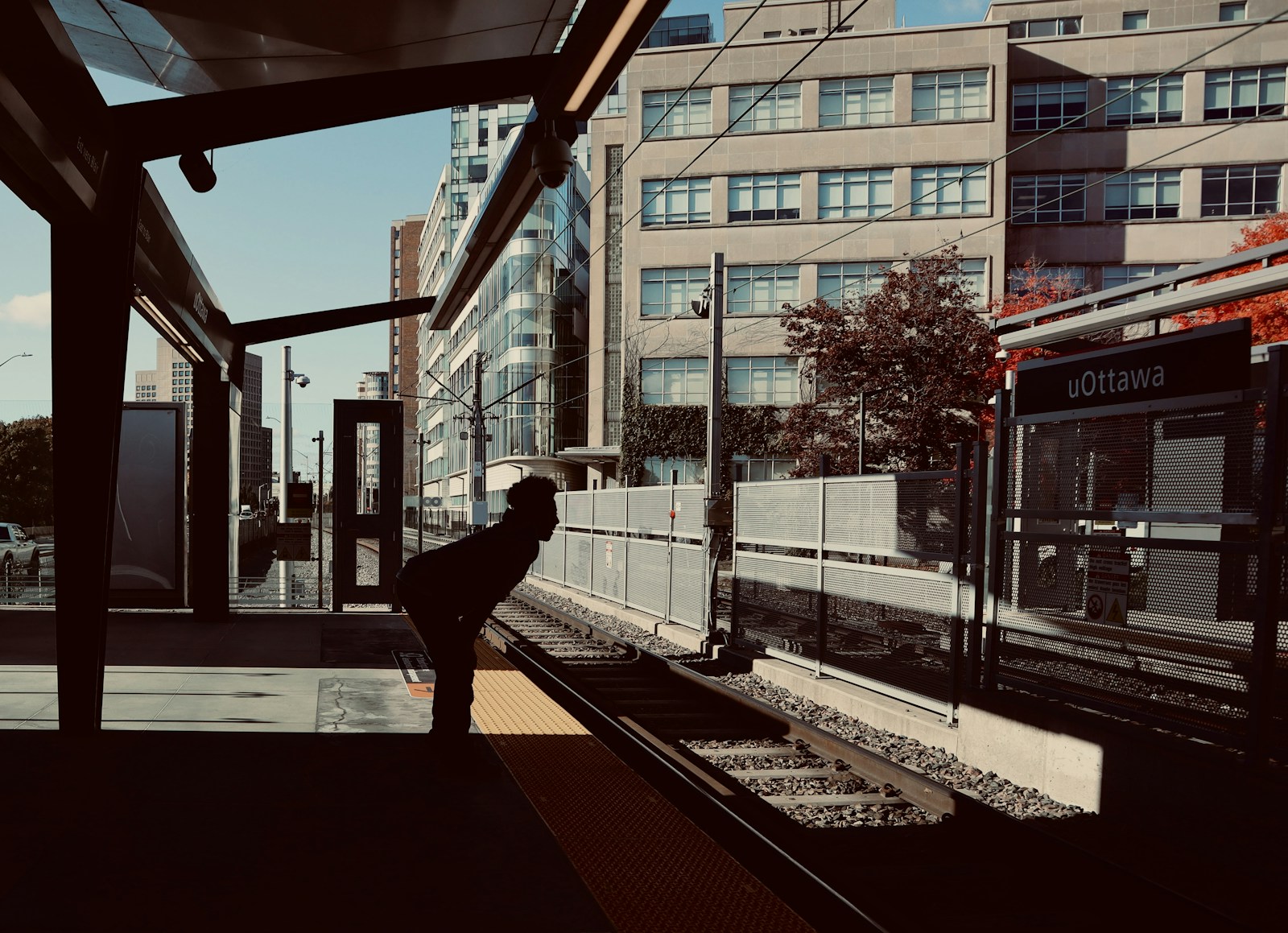
For professionals working in the core — or students commuting to uOttawa or Carleton — Mechanicsville’s transit accessibility makes car-free living realistic. This factor alone is pushing condo developers and investors to take a serious look at the neighborhood.


3. Affordable Urban Living

Compared to nearby Hintonburg, Westboro, and Little Italy, condo prices in Mechanicsville are still relatively affordable. While Ottawa’s urban condo market has heated up in recent years, buyers can often find units here at a lower price point, making it:

  • Attractive for first-time buyers looking to break into the market.

  • Appealing to downsizers who want central living without paying Westboro premiums.

  • A smart choice for investors, with potential for appreciation as the area develops further.

In short, Mechanicsville offers a way to get into Ottawa’s urban market without overextending budgets.


4. Condo Development Momentum

While Mechanicsville has historically been known for older low-rise rentals and modest homes, new condo projects are starting to transform the landscape. Developers see Mechanicsville as the natural next step after Hintonburg’s boom, thanks to:

  • Transit proximity.

  • Affordable land compared to neighboring areas.

  • Increasing demand for modern, compact living spaces near downtown.

As more projects launch, Mechanicsville will likely attract young professionals, students, and small families seeking stylish yet affordable homes.


5. Lifestyle Appeal: Urban Living with a Local Feel

Mechanicsville is benefiting from the spillover effect of Hintonburg and Wellington West, where trendy cafes, microbreweries, yoga studios, and boutiques have flourished. While the neighborhood itself is still quieter and more residential, residents enjoy:

  • Easy access to Hintonburg’s dining and nightlife scene.

  • Walkability to parks like Laroche Park and the Ottawa River.

  • A growing community vibe, with redevelopment projects bringing new life to older streets.

It offers just enough urban buzz without the congestion of downtown or the higher prices of trendier districts.


6. Strong Rental Potential

For investors, Mechanicsville offers not just affordability but also strong rental demand. Its location near:

  • Federal workplaces (Tunney’s Pasture).

  • The Ottawa Hospital redevelopment project (just east).

  • Transit connections to universities.

…makes it an excellent spot for attracting reliable tenants, whether students, young professionals, or government workers.

With Ottawa’s rental market tightening, owning a condo in a central, transit-oriented neighborhood like Mechanicsville positions investors for both steady income and long-term appreciation.


Pros & Cons of Mechanicsville’s Condo Market

Pros

  • Affordable entry compared to nearby neighborhoods.

  • Excellent LRT access for commuters.

  • Proximity to Hintonburg lifestyle and amenities.

  • Strong rental demand and appreciation potential.

Cons

  • Still developing, so amenities within Mechanicsville itself are limited.

  • Some older housing stock and industrial pockets may deter certain buyers.

  • Rising interest from developers could quickly push up prices.


Final Thoughts: Why Mechanicsville Is Worth Watching

Mechanicsville is no longer just a pass-through neighborhood — it’s becoming a prime location for Ottawa condo buyers and investors. With affordability, location, and future growth potential, it offers a rare chance to get in early before prices match its trendy neighbors.

For anyone considering urban living in Ottawa, Mechanicsville should be on your radar in 2025.

Read

Living in Findlay Creek: Ottawa’s Fastest-Growing Family Suburb

Over the past decade, Findlay Creek has transformed from quiet farmland into one of Ottawa’s most vibrant and fastest-growing suburban communities. Located in the south end near Bank Street and Leitrim Road, this master-planned neighborhood has become a magnet for young families, first-time buyers, and newcomers looking for modern homes, family-friendly amenities, and room to grow.

In 2025, Findlay Creek continues to boom — with new builds, expanding schools, and plenty of suburban conveniences. Here’s why more families are choosing to call it home.


A Hub of New Builds and Modern Homes

One of the biggest attractions of Findlay Creek is its selection of new-build homes. Unlike older Ottawa suburbs, most of the housing here has been constructed within the last 15 years, offering:

  • Detached Homes with open layouts, energy-efficient systems, and spacious yards.

  • Townhomes ideal for first-time buyers and young professionals who want affordability without sacrificing space.

  • Semi-detached options that balance cost and comfort.

Developers like Tamarack and Tartan continue to expand the community, so buyers still have opportunities to purchase pre-construction homes or move-in-ready builds. This makes Findlay Creek especially appealing for those who want modern finishes without the need for renovations.


Schools and Family-Friendly Appeal

Families are the heartbeat of Findlay Creek. The community has already welcomed brand-new elementary schools with both English and French options, and more schools are planned as the population grows.

Parents love Findlay Creek for:

  • Safe, quiet residential streets.

  • Playgrounds and splash pads throughout the community.

  • Easy access to École secondaire catholique Franco-Cité and other nearby secondary schools.

It’s not unusual to see kids biking to school, parents pushing strollers, or neighbors gathering at local parks — making Findlay Creek feel like a true family-centered suburb.


Suburban Amenities Close to Home

Despite being a newer suburb, Findlay Creek has quickly built up its own amenities. Residents enjoy:

  • Findlay Creek Centre – Home to groceries, restaurants, fitness studios, and coffee shops.

  • Medical and dental clinics – Conveniently located for growing families.

  • Community events hosted by the Findlay Creek Community Association.

For larger shopping trips, residents head to South Keys or Hunt Club, just a short drive away.


Green Spaces and Outdoor Living

Findlay Creek may be growing fast, but it hasn’t lost its connection to nature. The community is bordered by the Leitrim Wetlands, offering trails and birdwatching opportunities. Local parks and walking paths are integrated throughout the neighborhood, encouraging an active lifestyle.

For families who value outdoor space, Findlay Creek provides the best of both worlds — suburban comfort and access to nature.


Transportation and Commute

Findlay Creek is conveniently located near Bank Street and Leitrim Road, making it easy to access downtown Ottawa in about 25–35 minutes by car.

Transit options are expanding too:

  • OC Transpo routes connect the community to South Keys and beyond.

  • The future Leitrim LRT station (part of Ottawa’s Stage 2 expansion) will provide faster, car-free access to downtown, making Findlay Creek even more attractive for commuters.


Who’s Moving to Findlay Creek in 2025?

This neighborhood attracts:

  • Young families upgrading from condos or townhouses.

  • First-time buyers looking for new builds at competitive prices.

  • New Canadians seeking a welcoming, multicultural community.

  • Investors drawn to the area’s strong rental demand from families.

The diversity of Findlay Creek makes it one of Ottawa’s most inclusive and dynamic suburbs.


Pros & Cons of Living in Findlay Creek

Pros

  • New-build homes with modern layouts and energy efficiency.

  • Family-focused community with growing schools and parks.

  • Strong sense of neighborhood connection.

  • Upcoming LRT access at Leitrim Station.

Cons

  • Still developing, so some amenities are a work in progress.

  • Commute downtown can be longer during rush hour.

  • Higher demand can make homes sell quickly, reducing buyer choice.


Final Thoughts: Why Families Love Findlay Creek

Findlay Creek has become Ottawa’s fastest-growing family suburb for good reason. It offers modern housing, excellent schools, green spaces, and a welcoming community spirit, all within reach of the city’s core.

For buyers who want the comfort of suburban living with the promise of continued growth and new amenities, Findlay Creek is a neighborhood worth watching — and moving into.

Read

Life in Lowertown: Old Ottawa Charm Meets ByWard Buzz

Lowertown is one of Ottawa’s oldest and most storied neighborhoods — and in 2025, it’s still full of life, character, and undeniable appeal. Nestled just east of Parliament Hill and bordered by the Rideau River, this historic district blends French-Canadian roots with modern vibrancy, thanks to its proximity to the ByWard Market, cultural institutions, and walkable streets.

For buyers, renters, and investors, Lowertown offers a unique balance of heritage housing, urban lifestyle, and cultural richness that few other Ottawa neighborhoods can match. Let’s dive into what makes this community so special today.


Historic Housing with Character

One of Lowertown’s biggest draws is its mix of housing styles. You’ll find everything from 19th-century brick homes and historic rowhouses to charming duplexes and modern infill projects.

  • Heritage Homes – Many Lowertown houses date back to Ottawa’s earliest days, with exposed brick, original woodwork, and unique architectural details. These homes often appeal to buyers who want history with personality.

  • Condos & Apartments – For those who prefer convenience, Lowertown has plenty of condos near Sussex Drive and Rideau Street, often popular with young professionals.

  • Investment Properties – Because of its proximity to uOttawa and the ByWard Market, duplexes and triplexes are in steady rental demand.

Housing here tends to be more affordable than the Glebe or New Edinburgh, while still offering walkability and heritage charm.


French Heritage & Cultural Roots

Lowertown has long been a cornerstone of Ottawa’s Francophone community, with French-Canadian families shaping its culture for generations. This heritage is still visible today:

  • École élémentaire catholique Sainte-Anne, one of the city’s oldest French schools, sits at the heart of the neighborhood.

  • French-speaking services and cultural groups are woven into community life, making it a welcoming place for bilingual families.

  • Historic churches and landmarks, like the Notre-Dame Cathedral Basilica, add to its sense of place.

For buyers seeking a neighborhood with cultural richness and a strong sense of history, Lowertown checks every box.


Walkability & ByWard Buzz

Living in Lowertown means being just steps away from Ottawa’s most vibrant destinations:

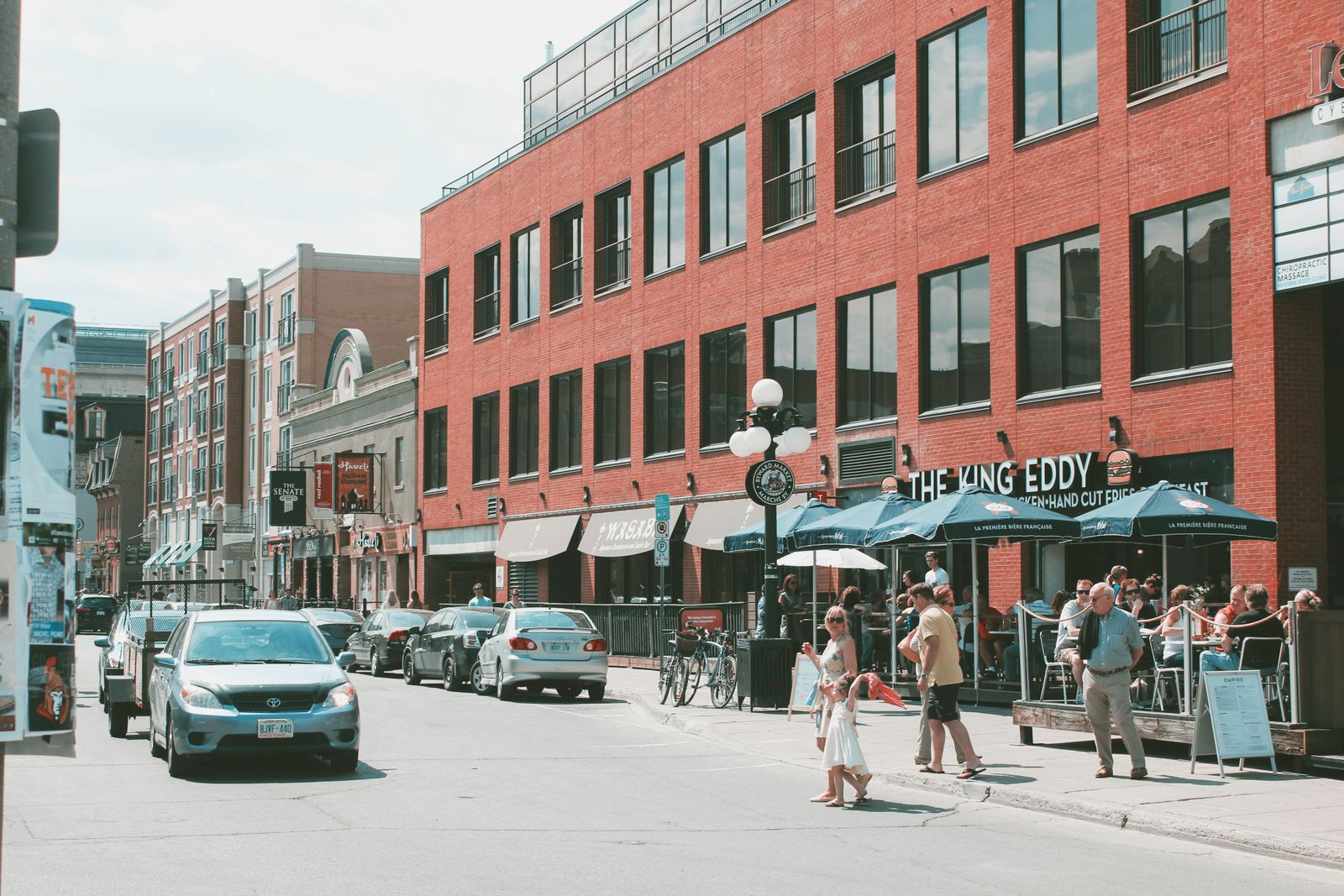
  • ByWard Market – Ottawa’s culinary and nightlife hub, with farmers’ markets, cafes, and rooftop patios.

  • Rideau Centre – The city’s largest shopping mall, perfect for retail and transit connections.

  • Parliament Hill & Downtown – Government offices and major employers are within walking or biking distance.

  • Parks & Green Spaces – Despite being urban, Lowertown has green escapes like Bordeleau Park along the Rideau River.

For people who value a car-free lifestyle, Lowertown is one of Ottawa’s most walkable neighborhoods. Transit is also excellent, with LRT access at Rideau Station just minutes away.


Who’s Moving to Lowertown in 2025?

Lowertown attracts a diverse mix of residents, including:

  • Young professionals working downtown who want to walk to the office.

  • Students from the University of Ottawa, drawn to affordable rentals.

  • Investors who see value in multi-unit properties with strong rental demand.

  • Downsizers who want condo living but still crave urban vibrancy.

The neighborhood’s blend of heritage homes, urban conveniences, and cultural depth makes it a rare find in Ottawa’s real estate market.


Pros & Cons of Living in Lowertown

Pros

  • Rich history and cultural identity.

  • Walking distance to ByWard Market, Rideau Centre, and Parliament Hill.

  • Strong rental demand for investors.

  • More affordable than nearby Glebe or Sandy Hill.

Cons

  • Some streets experience late-night noise due to ByWard nightlife.

  • Older homes may require more maintenance.

  • Limited parking options in heritage sections.


Final Thoughts: Why Lowertown Stands Out

If you’re looking for a neighborhood that combines history, culture, and modern urban living, Lowertown is hard to beat. With its French-Canadian heritage, proximity to Ottawa’s cultural core, and walkable lifestyle, it appeals to everyone from first-time buyers to seasoned investors.

As Ottawa continues to grow, Lowertown’s mix of charm and convenience ensures it will remain one of the city’s most distinctive and desirable communities.


Read

Flipping Homes in Ottawa: Is It Still Profitable in 2025?

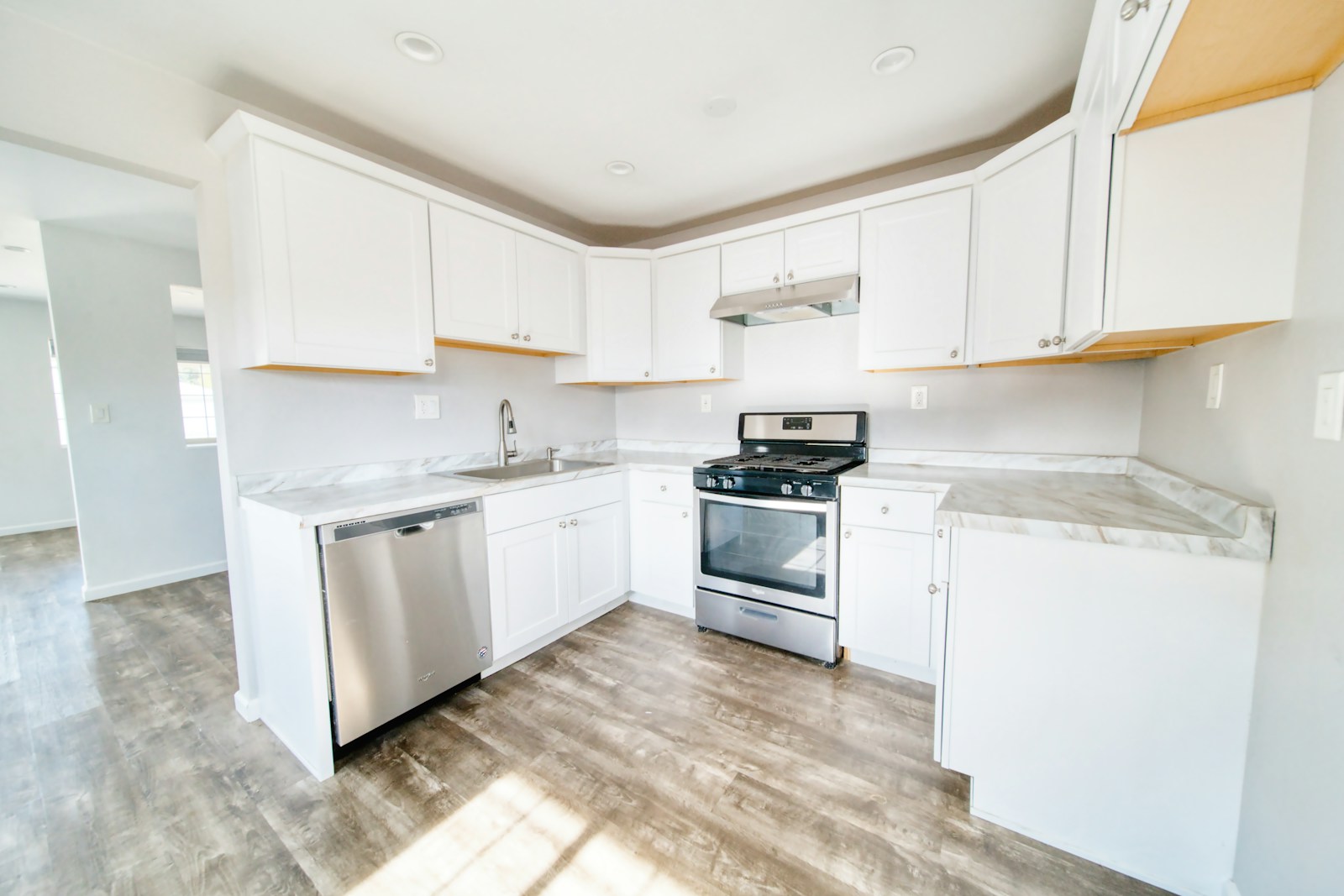
House flipping has long been seen as a path to quick profits in real estate—buy low, renovate, and sell high. In Ottawa, flipping gained momentum in the early 2010s when prices were rising steadily and fixer-uppers were plentiful. But in 2025, with higher borrowing costs and shifting buyer expectations, many investors are asking: is flipping still profitable in Ottawa?

Let’s dive into the risks, rewards, and market realities for Ottawa home flippers today.


Why Flipping Homes in Ottawa Attracted Investors

Ottawa’s strong fundamentals—stable government jobs, a growing tech sector, and steady population growth—made it a safe bet for flippers. Investors were drawn to:

  • Affordable older housing stock in areas like Carlington, Vanier, and Heron Park.

  • Strong demand from buyers seeking move-in ready homes.

  • Rising values that allowed for quick appreciation even within 12 months.

But 2025 isn’t the same market.


The Challenges of Flipping in 2025

1. Higher Interest Rates

Carrying costs are much higher than they were a few years ago. Flippers often hold a property for 6–12 months, which means larger mortgage payments can eat into profits.

2. Renovation Costs

Labour and material costs have risen steadily. What might have cost $50,000 to renovate in 2018 could easily run $80,000+ today.

3. Buyer Expectations

Ottawa buyers in 2025 want modern finishes, energy-efficient upgrades, and smart home features. A basic cosmetic flip may not cut it anymore.

4. Market Fluctuations

While Ottawa’s market is stable, short-term shifts—such as seasonal slowdowns or policy changes—can hurt resale values.


Where Flipping Still Works in Ottawa

Despite challenges, flipping can still be profitable when done strategically:

Up-and-Coming Neighborhoods

  • Vanier – Seeing major revitalization and investor interest.

  • Carlington – Affordable entry points with rising demand.

  • Overbrook – Close to downtown, with older homes ripe for upgrades.

Property Types That Work

  • Bungalows with unfinished basements (easy to add living space).

  • Estate sales or properties with long-time owners.

  • Homes with outdated layouts but strong bones.


The Numbers: Profit Potential in 2025

Let’s use a fictional example:

  • Purchase price: $500,000 (older home in Vanier)

  • Renovation costs: $90,000 (kitchen, bathrooms, flooring, paint, curb appeal)

  • Carrying costs: $25,000 (mortgage, utilities, insurance, taxes for 8 months)

  • Selling price after renovation: $675,000

Gross profit: $60,000 before realtor commissions and legal fees.

After subtracting commissions and legal ($25,000), the net profit is around $35,000.

👉 For many, this is still attractive—but it’s not the six-figure windfalls flippers saw in past years.


Keys to Successful Flipping in 2025

  1. Buy Below Market Value – Profits are made on the purchase, not the sale. Look for distressed or estate sales.

  2. Stick to ROI Renovations – Kitchens, bathrooms, and curb appeal bring the best returns. Avoid over-customization.

  3. Work with Trusted Contractors – Timelines kill flips; delays add costs fast.

  4. Know Your Exit Strategy – If the market cools, consider renting the property short-term until conditions improve.

  5. Run Conservative Numbers – Always budget extra for surprises.


Risks of Flipping in Ottawa

  • Thin margins – With high costs, profit margins are slimmer than ever.

  • Unforeseen issues – Structural repairs, asbestos, or electrical issues can balloon budgets.

  • Market timing – Listing in a slower season could reduce buyer interest.

  • Tax implications – Flipping profits are typically taxed as business income, not capital gains.


Final Thoughts

So, is flipping homes in Ottawa still profitable in 2025?

✅ Yes—but only for savvy investors who buy smart, control costs, and understand today’s buyer expectations.
❌ No—if you’re looking for quick, guaranteed profits without a well-planned strategy.

For many, long-term buy-and-hold investing may actually provide more stable returns than flipping in Ottawa’s current market. Still, for investors with the right team, knowledge, and risk tolerance, house flipping remains a viable opportunity—just not the easy money it once was.

Read

Ottawa’s Top 2025 Student Rental Hot Spots – Near uOttawa, Carleton, and Algonquin

Ottawa isn’t just Canada’s capital—it’s also a thriving student city with more than 100,000 post-secondary students across its major institutions. With uOttawa, Carleton University, and Algonquin College continuing to attract local and international students, the demand for student rentals in 2025 remains strong.

For investors and parents alike, knowing the best neighborhoods for student rentals can make the difference between steady income and long vacancies. Let’s break down Ottawa’s top student rental hot spots for this year.


1. Sandy Hill – The Student Hub for uOttawa

Why it’s popular:

  • Just steps from the University of Ottawa campus.

  • A mix of historic homes, apartment buildings, and modern student housing.

  • Walkable to Rideau Centre, ByWard Market, and LRT stations.

Rental insights:

  • High demand from undergrads who want to walk to class.

  • Expect competitive rents, but also higher turnover each school year.

  • Investors often convert large homes into multi-bedroom rentals.


2. Old Ottawa South – Close to Carleton University

Why it’s popular:

  • Bordered by the Rideau River and Bank Street’s lively strip of shops and cafes.

  • Walking distance to Carleton University.

  • A quieter, more residential vibe compared to Sandy Hill.

Rental insights:

  • Favored by upper-year students and grad students who want a calmer lifestyle.

  • Detached homes and duplexes are often rented by groups of students.

  • Strong long-term investment potential thanks to family appeal.


3. The Glebe – Trendy and Walkable

Why it’s popular:

  • Right beside Carleton University and Lansdowne Park.

  • Famous for its shops, restaurants, and Canal access.

  • Attracts students who want both convenience and lifestyle.

Rental insights:

  • Higher rents than Old Ottawa South, but students are willing to pay for location.

  • Many homes have basement apartments rented out to students.

  • Also popular with young professionals, ensuring a wide tenant pool.


4. Centretown & Downtown Core – Mixed Demand

Why it’s popular:

  • Easy access to both uOttawa and Carleton via LRT and bus routes.

  • Central location with nightlife, gyms, and part-time job opportunities.

  • High density of apartments and condos.

Rental insights:

  • Students who prefer modern condo living flock here.

  • Smaller 1- and 2-bedroom units are especially in demand.

  • Parents sometimes purchase condos for their student children as an equity-building move.


5. Heron Park & Alta Vista – Carleton-Friendly Suburbs

Why it’s popular:

  • Short transit or bike ride to Carleton University.

  • More affordable rental homes than downtown neighborhoods.

  • Larger houses often converted into student group rentals.

Rental insights:

  • Attracts budget-conscious students.

  • Proximity to Heron Gate Mall and everyday amenities adds convenience.

  • Consistent demand thanks to Carleton’s growing student body.


6. Nepean – Near Algonquin College

Why it’s popular:

  • Home to Algonquin College, one of Ottawa’s largest institutions.

  • Modern condo developments and rental buildings designed for students.

  • Shopping and services nearby at College Square.

Rental insights:

  • High demand from both domestic and international students.

  • Condo units and townhouses are popular choices.

  • Some landlords see multi-year leases since many programs run 2–3 years.


7. Kanata & Barrhaven – For Commuting Students

Why it’s popular:

  • Growing suburban communities with more affordable housing.

  • Some students commute to Algonquin or Carleton by bus or car.

  • Families often rent basement units to students for extra income.

Rental insights:

  • Less competitive than central neighborhoods but offers stable demand.

  • Basement suites and secondary units are especially popular here.

  • Appeals to international students who value quiet, family-oriented areas.


Tips for Investors in Ottawa’s Student Rental Market

  • Know the bylaws: Certain areas have restrictions on student group rentals and rooming houses.

  • Focus on transit access: Proximity to LRT or bus routes is a huge plus.

  • Plan for turnover: Student rentals typically see higher yearly turnover.

  • Consider parental guarantors: Many leases involve parents co-signing, which reduces risk.


Final Thoughts

Ottawa’s student rental market in 2025 continues to thrive thanks to its three major institutions. Whether you’re looking at Sandy Hill for uOttawa, Old Ottawa South for Carleton, or Nepean for Algonquin College, each neighborhood offers unique opportunities for steady rental income.

For investors, the key is understanding not just where students want to live—but also what type of housing they prefer. With Ottawa’s population growth and rising enrollment, student rentals remain one of the most reliable investment strategies in the city.

Read

The Hidden Costs of Selling Your Ottawa Home (And How to Reduce Them)

When homeowners in Ottawa decide to sell, most focus on the listing price and potential profits. But what often catches sellers off guard are the hidden costs of selling a home—fees, repairs, and expenses that can quietly eat away at your final payout.

In 2025’s evolving market, being prepared for these costs isn’t just smart; it’s essential. Let’s break down the hidden expenses Ottawa sellers face—and practical ways to keep more money in your pocket.


1. Real Estate Commissions

One of the biggest costs in selling is the agent commission, usually between 4–5% of the sale price. For a $700,000 home, that’s $28,000–$35,000.

How to reduce this cost:

  • Interview multiple agents—rates aren’t always fixed.

  • Ask about full-service vs. discount brokerages.

  • Remember that a strong agent can often net you more by negotiating a higher sale price.


2. Staging and Preparation Costs

Today’s Ottawa buyers expect homes that look polished in photos and showings. This can mean:

  • Decluttering and storage rental ($200–$500)

  • Deep cleaning ($300–$500)

  • Staging furniture rental ($1,000–$3,000+)

How to reduce this cost:

  • DIY staging with your own furniture.

  • Use your agent’s staging inventory (many include it for free).

  • Focus staging on high-impact rooms—living room, kitchen, and master bedroom.


3. Pre-Sale Repairs and Upgrades

Minor issues like leaky faucets, chipped paint, or a squeaky door can spook buyers. Larger repairs, like roof shingles or furnace servicing, may also come up. Costs can range from a few hundred to several thousand dollars.

How to reduce this cost:

  • Get a pre-listing inspection to know what buyers might flag.

  • Fix small issues yourself before listing.

  • Avoid over-renovating—stick to ROI-driven fixes like paint, lighting, and curb appeal.


4. Legal Fees

In Ontario, sellers must use a real estate lawyer to close the transaction. Expect to pay $1,000–$2,500 depending on complexity.

How to reduce this cost:

  • Get quotes from multiple real estate lawyers.

  • Choose one experienced in Ottawa transactions to avoid costly mistakes.


5. Mortgage Penalties

If you break your mortgage early, lenders may charge a penalty fee. This could be three months’ interest or an Interest Rate Differential (IRD), sometimes amounting to thousands of dollars.

How to reduce this cost:

  • Call your lender before listing to calculate the penalty.

  • If possible, time your sale with your mortgage renewal to avoid fees.

  • Ask about porting your mortgage to your next property.


6. Closing Adjustments

Sellers often need to reimburse buyers for prepaid expenses like property taxes, utilities, or condo fees. This can add up to several hundred dollars at closing.

How to reduce this cost:

  • Budget for adjustments in advance.

  • Align your sale date with billing cycles to minimize overlap.


7. Moving Costs

Once your home sells, you’ll face moving expenses. Hiring movers in Ottawa can range from $1,000 to $3,500, depending on distance and volume.

How to reduce this cost:

  • Compare moving companies and book early.

  • Declutter before the move—less stuff means lower costs.

  • Consider renting a truck and moving with friends if feasible.


8. Capital Gains (for Investment Properties)

If you’re selling a rental property or a home that wasn’t your primary residence, you may owe capital gains tax on the profit.

How to reduce this cost:

  • Keep receipts for eligible expenses and improvements.

  • Speak with a tax professional about exemptions and deferrals.


9. Temporary Housing and Storage

If your new home isn’t ready when your old one sells, you may face bridge costs—temporary rentals, storage units, or staying with family.

How to reduce this cost:

  • Negotiate a rent-back agreement with your buyer (you stay in the home after closing for a short period).

  • Time your purchase and sale as closely as possible.


10. Emotional Cost: Time and Stress

Selling a home isn’t just financial—it’s emotional and time-consuming. Showings, negotiations, and packing all take their toll.

How to reduce this cost:

  • Hire a reliable full-service agent who handles details for you.

  • Have a clear plan for moving timelines.

  • Stay realistic about pricing to avoid a long, stressful listing.


Final Thoughts

The hidden costs of selling your Ottawa home can add up fast—but with smart planning, they don’t have to erode your profits. By understanding commissions, repairs, legal fees, and moving expenses ahead of time, you’ll avoid surprises and walk away with more money in your pocket.

If you’re considering selling in 2025, budgeting for these costs early is one of the best moves you can make.

Read

How Ottawa’s Climate Goals Could Impact Homebuyers

Energy-efficient housing, green retrofits, and rebates in 2025

Ottawa has set ambitious climate goals in line with Canada’s broader push toward net-zero emissions by 2050. For homebuyers in 2025, this shift toward sustainability is more than a political agenda—it’s becoming a practical part of real estate decisions.

From energy-efficient homes to green retrofits and government rebates, climate policies are reshaping what buyers look for, how much they pay, and even the long-term value of their investment. If you’re planning to buy in Ottawa, here’s what you need to know about how the city’s climate goals may impact you.


1. Ottawa’s Climate Commitments in a Nutshell

Ottawa’s Energy Evolution Strategy aims to reduce greenhouse gas emissions through:

  • Greener buildings – retrofitting older homes and ensuring new builds meet higher energy standards.

  • Electrification – increasing the use of electric heat pumps, EVs, and renewable energy.

  • Sustainable growth – promoting compact, walkable communities to reduce car dependence.

For homebuyers, this means new priorities around efficiency, location, and costs.


2. Energy-Efficient Homes: The New Gold Standard

In 2025, buyers are increasingly asking about energy-efficient features before making offers. Homes with:

  • Triple-pane windows

  • Superior insulation

  • Heat pumps instead of oil or gas furnaces

  • Smart thermostats and energy monitoring systems

…are fetching premium prices. Not only do these homes reduce carbon footprints, but they also lower monthly bills—a major selling point in a market with rising utility costs.


3. Retrofits: What Buyers Need to Watch For

Older Ottawa homes—especially pre-1990 builds—often need upgrades to align with modern efficiency standards. Buyers should be aware of:

  • Insulation gaps (especially in attics and basements).

  • Drafty windows and doors that drive up heating costs.

  • Fossil-fuel heating systems that may face replacement sooner than expected.

The upside? Ottawa’s climate goals mean rebates and grants are available to help with retrofit costs. Buying an older home with good bones but outdated systems could be a smart move if you’re willing to take on upgrades.


4. Rebates and Incentives Available in 2025

While specific amounts may change, buyers can generally expect programs like:

  • Federal and municipal rebates for installing heat pumps, solar panels, or high-efficiency furnaces.

  • Tax credits for green retrofits.

  • Low-interest loans to cover upfront retrofit costs.

This financial support helps buyers modernize homes while reducing long-term expenses.


5. The Cost Question: Will Green Homes Be More Expensive?

Yes and no.

  • Upfront costs: Energy-efficient homes or retrofits can cost more initially.

  • Resale value: Buyers are increasingly willing to pay more for homes that check the “green” box.

  • Operating costs: Monthly bills for efficient homes are lower, making them more affordable in the long run.

Essentially, green homes may feel pricier today but offer better value tomorrow.


6. Location Matters: Climate-Friendly Communities

Ottawa is also encouraging buyers to think about where they live, not just how.

  • Transit-oriented neighborhoods near the LRT and bus hubs are gaining popularity.

  • Walkable communities like Hintonburg, Old Ottawa South, and Westboro align with the city’s climate vision.

  • Suburbs with easy transit connections (like Riverside South and Orléans with LRT expansion) are becoming climate-smart choices.

For buyers, this means proximity to transit can boost resale value.


7. What Buyers Should Do in 2025

If you’re buying a home in Ottawa, here are some practical steps to align with climate goals and protect your investment:

  • Ask for an energy audit when considering a property.

  • Look beyond cosmetic upgrades—energy systems matter more than granite countertops.

  • Budget for retrofits if buying an older home.

  • Research available rebates to offset costs.

  • Think long-term resale—homes aligned with climate goals will likely remain more desirable.


8. The Future: Climate Goals as a Market Driver

Over the next decade, climate targets will only become stricter. Homes that meet or exceed efficiency standards will command premiums, while outdated properties may lose value unless retrofitted.

For today’s buyers, Ottawa’s climate goals aren’t just about the environment—they’re about future-proofing your investment.


Final Thoughts

Buying a home in Ottawa in 2025 means thinking not just about location, price, and size—but also about efficiency and sustainability. With rebates available, operating savings on the table, and resale values tied to green standards, Ottawa’s climate goals are reshaping the market in ways every buyer should understand.

If you’re looking for a home that will hold its value in the future, an energy-efficient or retrofit-ready property may be your smartest move yet.

Read

Is Rural Ottawa the Next Big Thing? Country Living Close to the City

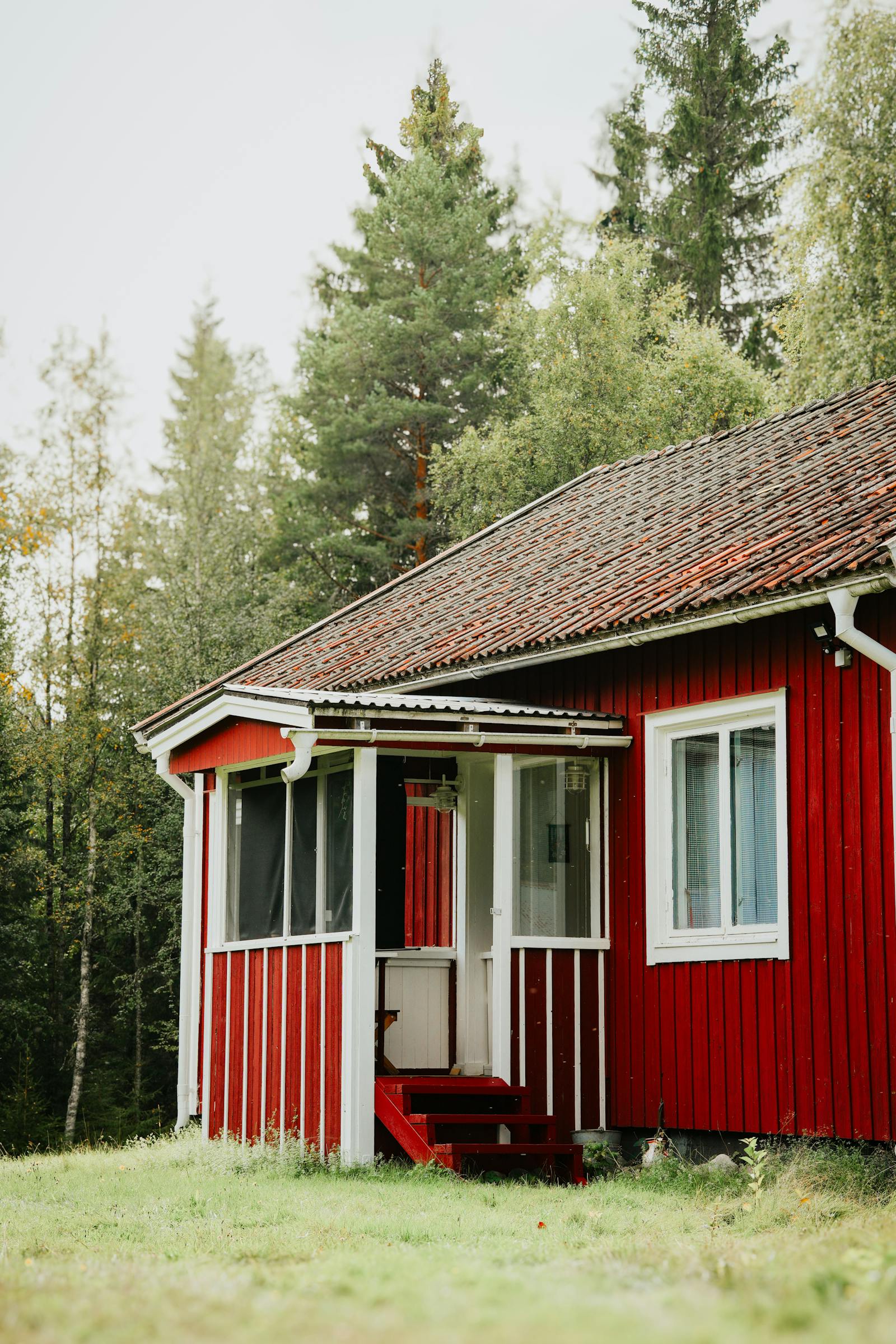
For years, Ottawa’s real estate spotlight has focused on urban hotspots like Westboro, Hintonburg, and the Glebe. But in 2025, a quieter trend is emerging: more buyers are turning their eyes to rural Ottawa. With affordability, space, and lifestyle top of mind, country living near the capital is quickly becoming one of the city’s most attractive real estate opportunities.

So, is rural Ottawa the next big thing? Let’s explore what makes country living close to the city appealing—and whether it’s the right choice for today’s buyers.


1. The Push for Space and Affordability

One of the biggest reasons families and professionals are looking beyond the core is cost and space.

  • Lower prices: In rural Ottawa communities, buyers can often find detached homes with large lots for the same price as a condo downtown.

  • More land: Acreages, hobby farms, and multi-acre estates are within reach.

  • Bigger homes: Spacious properties with extra bedrooms, finished basements, and outdoor amenities appeal to growing families.

Compared to downtown’s premium price-per-square-foot, rural Ottawa offers undeniable value.


2. Remote Work is Here to Stay

Since the pandemic, remote and hybrid work has shifted buyer priorities. Many professionals no longer need to commute daily.

  • Buyers are willing to trade shorter commutes for home offices, bigger yards, and peaceful surroundings.

  • With reliable internet now more accessible across rural Ottawa, working from home isn’t the challenge it once was.

  • A growing number of buyers see rural homes as the best way to balance career and lifestyle.


3. Popular Rural Communities in Ottawa

Several rural neighborhoods are drawing increased attention in 2025:

  • Manotick – A picturesque village on the Rideau River with luxury estates and small-town charm.

  • Greely – Known for large custom homes on oversized lots, just 20 minutes from downtown.

  • Carp – Offers a mix of rural charm and modern amenities, plus easy highway access.

  • Cumberland – East-end living with river views and a family-friendly vibe.

  • Osgoode & Metcalfe – Affordable options for buyers seeking space, peace, and a strong community feel.

Each offers something different—whether it’s luxury, affordability, or lifestyle amenities.


4. The Lifestyle Appeal of Country Living

Living rural doesn’t mean giving up modern conveniences. Instead, it’s about enhancing quality of life.

  • Outdoor activities: Hiking, biking, fishing, and boating are right at your doorstep.

  • Privacy and tranquility: Larger lots mean more peace and less noise.

  • Community spirit: Rural villages often have strong local networks, markets, and community events.

  • Family-focused living: Bigger yards and safer streets are ideal for raising children.

For many, rural Ottawa offers a slower pace of life without being disconnected from the city.


5. Challenges of Rural Ottawa Living

Of course, rural living comes with considerations:

  • Longer commutes: While hybrid work helps, some professionals still face travel time.

  • Limited public transit: Most rural areas require driving.

  • Higher utility costs: Homes may rely on wells, septic systems, or propane heating.

  • Resale considerations: While demand is growing, resale can sometimes take longer compared to hot urban neighborhoods.

Buyers should weigh lifestyle perks against these practical challenges before making the move.


6. Who’s Buying Rural in 2025?

  • Families seeking bigger homes and yards.

  • Young professionals who work remotely but want more space for hobbies.

  • Retirees looking for peace, quiet, and affordable downsizing options.

  • Investors exploring multi-acre properties for secondary units or future development.

Rural Ottawa is no longer just a niche market—it’s becoming a mainstream choice.


7. The Future of Rural Ottawa

As Ottawa grows, rural communities are seeing more infrastructure investment, schools, and services.

  • Transit expansions and improved road networks are making rural living more convenient.

  • Mixed-use developments are popping up, bringing more shops and amenities closer to these communities.

  • With Ottawa’s population expected to continue climbing, rural areas may become the new frontier of growth.


Final Thoughts

So, is rural Ottawa the next big thing? The answer is yes—for the right buyer. With affordability, space, and lifestyle on its side, rural living is becoming increasingly attractive in 2025.

For families, retirees, and professionals craving a balance between city access and country charm, rural Ottawa might just be the perfect place to call home.


Read

Luxury Living in Ottawa: Mansions, Riverfront Estates, and More

Ottawa isn’t just Canada’s capital—it’s also home to some of the country’s most exclusive luxury real estate. From stately Rockcliffe mansions to sleek Westboro penthouses, Ottawa’s high-end market offers options that combine elegance, privacy, and location.

Whether you’re an executive, diplomat, or investor, here’s an inside look at what luxury living in Ottawa means in 2025.


1. Rockcliffe Park: Timeless Prestige

When it comes to luxury in Ottawa, Rockcliffe Park sets the standard.

  • Heritage and history – Home to embassies, political figures, and prominent families.

  • Large estates – Expansive properties with mature trees, private driveways, and gated entrances.

  • River views – Many homes offer panoramic views of the Ottawa River.

If you’re seeking prestige and discretion, Rockcliffe remains Ottawa’s most iconic luxury neighborhood.


2. New Edinburgh: Historic Charm Meets Modern Upgrades

Nestled beside Rockcliffe, New Edinburgh offers heritage homes and riverfront appeal.

  • Elegant Victorian and Georgian architecture blended with high-end renovations.

  • Proximity to downtown – Just minutes from Parliament Hill and Rideau Hall.

  • Community appeal – Tree-lined streets, boutique shops, and riverfront walking trails.

For buyers who want both history and lifestyle, New Edinburgh offers understated elegance.


3. Westboro: Trendy Luxury by the River

Not all luxury in Ottawa is traditional. Westboro blends upscale living with a modern, urban vibe.

  • Luxury condos & penthouses with breathtaking river views.

  • Trendy retail and dining on Richmond Road, making it a lifestyle hub.

  • Walkability – Steps from shops, cafes, and the riverfront pathway.

Westboro attracts professionals and downsizers who want modern design, convenience, and a vibrant social scene.


4. The Glebe: Heritage Luxury in the Heart of the City

The Glebe is known for its historic homes, but it’s also a hotspot for high-end buyers.

  • Restored century homes with modern interiors.

  • Lansdowne Park lifestyle – Access to restaurants, shops, and sports events.

  • Rideau Canal access – Luxury living steps from Ottawa’s most iconic attraction.

The Glebe’s charm and central location make it ideal for buyers who want walkable, historic luxury.


5. Riverfront Estates: The Pinnacle of Exclusivity

For many luxury buyers, nothing compares to waterfront living. Ottawa’s riverfront homes offer privacy, scenery, and exclusivity.

  • Private docks and direct water access.

  • Panoramic views of the Ottawa River.

  • Custom architecture blending modern design with natural landscapes.

These estates often sit outside the downtown core, offering tranquility within reach of the city.


6. Manotick: Luxury in a Village Setting

South of downtown, Manotick has become a magnet for high-net-worth families.

  • Sprawling custom homes on oversized lots.

  • Riverside Drive estates offering space and privacy.

  • Community charm with boutique shops, fine dining, and golf clubs nearby.

Manotick appeals to buyers who want luxury with space—and don’t mind a short commute.


7. Kanata Lakes: High-End Suburban Living

For buyers in Ottawa’s tech hub, Kanata Lakes delivers upscale suburban luxury.

  • Executive homes with golf course views.

  • Family-oriented amenities like parks, trails, and schools.

  • Proximity to Kanata’s tech sector, making it convenient for executives and professionals.

Kanata Lakes combines comfort, prestige, and convenience in Ottawa’s west end.


8. What Defines Luxury in Ottawa in 2025?

Luxury real estate in Ottawa goes beyond square footage. Today’s buyers look for:

  • Smart home technology – Security, lighting, and climate control at your fingertips.

  • Custom finishes – Imported stone, designer kitchens, spa-style bathrooms.

  • Outdoor living – Pools, landscaped gardens, and outdoor kitchens.

  • Privacy & exclusivity – Gated entrances, larger lots, or boutique condo settings.

In 2025, luxury means a tailored lifestyle, not just a large house.


Final Thoughts

Luxury living in Ottawa is diverse, ranging from historic mansions in Rockcliffe Park to modern riverfront condos in Westboro. Whether you’re drawn to the prestige of heritage neighborhoods, the convenience of central living, or the privacy of riverfront estates, Ottawa’s luxury market has something unique to offer.

For those seeking a balance of sophistication, space, and lifestyle, Ottawa remains one of Canada’s most attractive luxury real estate destinations.


Read

How to Sell a Home with Tenants in Ottawa: Landlord’s Guide

Selling a home in Ottawa is already a process filled with moving parts—but if you have tenants living in the property, things become more complex. From tenant rights to timing the sale, landlords need to carefully balance legal obligations with their financial goals.

This guide walks you through how to sell a home with tenants in Ottawa in 2025, while keeping the process smooth and respectful.


1. Know Your Legal Obligations

In Ontario, tenants have strong protections under the Residential Tenancies Act (RTA). As a landlord selling your Ottawa property, you must follow specific rules:

  • You cannot evict tenants simply because you want to sell.

  • The tenant has the right to remain until the lease ends or until you legally terminate the tenancy.

  • If the buyer intends to live in the property, you may be able to issue an N12 notice (with proper notice).

Failing to follow these rules can result in delays, penalties, or even a failed sale.


2. Timing Your Sale: Lease vs. Month-to-Month

Whether your tenant is on a fixed lease or month-to-month makes a big difference.

  • Fixed-Term Lease – The tenant is entitled to stay until the lease expires. You can still sell during this time, but the new buyer must assume the lease.

  • Month-to-Month Tenancy – You can issue an N12 notice if the buyer plans to move in, with at least 60 days’ notice before the end of a rental period.

Tip: Selling with tenants already in place often appeals to investor buyers who want rental income immediately.


3. Communicating with Tenants

Transparency goes a long way. Tenants may feel uncertain about their housing security, so keeping them informed builds trust.

  • Give tenants written notice before showings (at least 24 hours).

  • Offer flexible showing schedules to minimize disruption.

  • Consider incentives such as a rent discount or moving allowance if you’re asking for cooperation during the sale.

A cooperative tenant makes the process smoother for everyone.


4. Deciding Whether to Sell Vacant or Occupied

There are pros and cons to each approach:

Selling VacantSelling Occupied
Easier staging and marketingGuaranteed rental income during sale
More appealing to end-user buyersAppeals to investors
Simpler closing for new ownersLess downtime for you

Think about your target buyer: investors may prefer occupied, while families or first-time buyers may want vacant.


5. Handling Showings and Staging

With tenants in place, showings can be tricky.

  • Homes may not show as well if tenants don’t tidy up.

  • Staging opportunities are limited compared to a vacant home.

  • If the tenant is uncooperative, buyers may feel uneasy.

If presentation is a concern, you may want to wait until the unit is vacant before listing.


6. The N12 Notice: What You Should Know

If you or the buyer plan to move in, you can serve an N12 notice to terminate tenancy.
Key points:

  • Must provide 60 days’ notice before the end of a rental period.

  • The buyer (or their family member) must genuinely intend to occupy the property.

  • The landlord must compensate the tenant with one month’s rent or offer another suitable unit.

Improper use of N12 notices can lead to significant fines, so always follow the law.


7. Targeting the Right Buyers

Marketing your Ottawa home with tenants requires a different strategy.

  • For Investors: Highlight existing lease agreements, rental income, and long-term tenant stability.

  • For End-Users: Clarify whether the unit will be vacant on closing and provide clear timelines.

The clearer your positioning, the smoother negotiations will be.


8. Working with the Right Real Estate Agent

Not every agent is experienced in selling tenanted properties. Choose an Ottawa realtor who:

  • Understands the Residential Tenancies Act

  • Has experience dealing with investors and tenants

  • Can navigate showings, notices, and buyer negotiations

An experienced professional ensures your sale complies with the law while maximizing your return.


Final Thoughts

Selling a home with tenants in Ottawa requires careful planning, communication, and legal compliance. While it can be more complex than selling a vacant home, it can also open the door to investor buyers who value the rental income stream.

By respecting tenant rights and working with the right professionals, you can successfully sell your Ottawa property with tenants—without unnecessary stress.


Read

The Psychology of Ottawa Buyers: What Really Sways Their Offers

When it comes to buying a home in Ottawa, the process isn’t just about numbers, square footage, or location. Buyers often make emotional decisions first, then justify them with logic. Understanding the psychology of Ottawa buyers is critical if you’re selling your home in 2025—because the small details that appeal to emotions can make the difference between a lukewarm showing and a strong offer.

Let’s explore what really influences buyers’ decisions in Ottawa’s competitive housing market.


1. First Impressions Count: Curb Appeal

The first 30 seconds matter most. Ottawa buyers often form an opinion before stepping inside.

  • Well-kept lawns, fresh paint, and tidy entryways signal care and pride of ownership.

  • Even in winter, shoveled walkways, seasonal décor, and good lighting help create a welcoming vibe.

Psychologically, buyers associate curb appeal with a home that’s been well-maintained inside, even if that’s not always the case.


2. The Emotional Pull of Staging

Home staging isn’t just about décor—it’s about creating a feeling. Buyers in Ottawa want to see themselves living in the space.

  • Neutral tones and uncluttered rooms let them imagine their own belongings.

  • A cozy reading nook, a well-set dining table, or fresh flowers make the space feel lived-in without being personal.

Staged homes consistently sell faster because they trigger emotional attachment before buyers even start comparing features.


3. Smells, Sounds, and Subtle Cues

The five senses play a huge role in decision-making:

  • Smells – Freshly baked bread or a light citrus scent feels inviting. Strong odors (pets, smoke, mildew) raise red flags.

  • Sounds – Soft background music can make a home feel warm and comfortable, while street noise can be a deal-breaker.

  • Temperature – A slightly warmer home in winter or a cool breeze in summer makes buyers want to linger.

These subconscious signals influence how “comfortable” a buyer feels—and that comfort often translates into stronger offers.


4. The Fear of Missing Out (FOMO)

Ottawa’s competitive market fuels buyer psychology. When buyers see:

  • Other people touring the home at the same time

  • Multiple offers already on the table

  • Language like “rare opportunity” or “won’t last” in listings

They feel urgency. FOMO can push buyers to act faster, bid higher, or waive conditions they normally wouldn’t.


5. Anchoring and Price Perception

How a home is priced influences buyer psychology:

  • A home listed at $699,000 feels more approachable than $710,000, even if the difference is minimal.

  • Buyers compare homes in ranges, so strategic pricing makes a property look like better value.

  • If priced too high, buyers may mentally “anchor” to lower comps and dismiss the home entirely.

Pricing psychology is one of the strongest factors in how fast (and for how much) a home sells.


6. Storytelling Through Listings

Buyers don’t just purchase homes—they purchase lifestyles. Ottawa listings that highlight more than just features often capture interest faster.
For example:

  • Instead of saying “3-bedroom townhouse,” describe it as “A perfect starter home steps from parks, schools, and cafés.”

  • Highlight lifestyle perks like proximity to the Rideau Canal, transit access, or family-friendly schools.

A well-written listing taps into aspiration, making the buyer picture how life could feel in that home.


7. Subconscious Clues of Value

Even small details sway Ottawa buyers:

  • New appliances → “Less work for me.”

  • Fresh paint → “Move-in ready.”

  • Organized storage → “This home has enough space.”

  • High-quality listing photos → “This is a home worth seeing in person.”

Buyers connect these cues with overall value and are more likely to justify higher offers.


8. Trust and Transparency

Buyers also respond strongly to perceived honesty.

  • A clear home inspection report builds confidence.

  • Full disclosure on upgrades or repairs prevents suspicion.

  • Sellers who present their home as-is, but well-cared for, often inspire more trust than those who over-stage or gloss over flaws.

Trust makes buyers feel safe—and safe buyers are willing to pay more.


Final Thoughts: Selling with Psychology in Mind

At the end of the day, Ottawa buyers are human. They make emotional decisions first, then look for logical reasons to support them. Sellers who understand buyer psychology—through curb appeal, staging, pricing strategy, and subtle sensory cues—are far more likely to stand out and secure top offers.

If you want your home to move quickly in 2025, don’t just sell the property. Sell the feeling of living there.


Read

Fixer-Upper vs Move-In Ready: What’s the Smarter Buy in Ottawa?

When buying a home in Ottawa in 2025, one of the biggest questions buyers face is whether to invest in a fixer-upper or pay more for a move-in ready home. With rising prices, low inventory, and a fast-moving market, this decision carries big financial and lifestyle implications. Let’s break down the pros, cons, and smart strategies to help you decide what’s right for your budget, timeline, and goals.


Understanding Ottawa’s Market Context

Ottawa’s real estate market has grown more competitive over the past few years. Buyers often face limited options, bidding wars, and quickly rising values in desirable neighborhoods. That reality has pushed some buyers toward older fixer-uppers with potential, while others pay a premium for turn-key homes.

The “smarter buy” really depends on three key factors: budget, lifestyle, and long-term goals.


The Case for Buying a Fixer-Upper

A fixer-upper in Ottawa may not be as polished as new builds, but it can offer value and opportunity for the right buyer.

Pros of a Fixer-Upper

  1. Lower Upfront Price – Homes needing updates often list below comparable move-in ready properties.

  2. Customization Potential – You can design the home to your taste: flooring, kitchen, finishes, and layout.

  3. Equity Growth – Renovations can increase property value significantly, especially in high-demand neighborhoods like Westboro, Hintonburg, or Old Ottawa South.

  4. Less Competition – Many buyers shy away from major projects, so you may avoid bidding wars.

Cons of a Fixer-Upper

  1. Renovation Costs – Contractor fees, materials, and permits add up quickly.

  2. Uncertainty – Older homes may hide problems: foundation cracks, plumbing, or electrical issues.

  3. Time & Stress – Renovations can delay move-in, cause disruptions, and test your patience.

  4. Financing Challenges – Lenders may require a larger down payment if the home needs significant work.


The Case for a Move-In Ready Home

Buying a home that’s already updated and livable has its own advantages, especially in Ottawa’s fast-paced housing market.

Pros of a Move-In Ready Home

  1. Convenience – You can move in right away without months of renovations.

  2. Modern Finishes – Many move-in ready homes already feature upgraded kitchens, bathrooms, and open layouts.

  3. Easier Financing – Mortgage approvals are simpler without major repair concerns.

  4. Predictability – Fewer surprises compared to buying a century-old home with hidden repairs.

Cons of a Move-In Ready Home

  1. Higher Price Tag – You’ll likely pay a premium for upgrades already done.

  2. Less Customization – The finishes may not match your style, but you’ll be stuck with them for a while.

  3. More Competition – Move-in ready homes attract more buyers, leading to bidding wars in hot areas.

  4. Potential Overpricing – Some sellers overestimate the value of their renovations.


Neighborhoods Where Fixer-Uppers Make Sense

If you’re eyeing a fixer-upper in Ottawa, focus on neighborhoods with strong long-term appreciation:

  • Hintonburg & Mechanicsville – Grit-to-glam transition areas with character homes.

  • Alta Vista – Spacious lots and good bones in older homes.

  • Vanier – Up-and-coming, offering value compared to downtown.

  • Old Ottawa East – Heritage homes with great resale potential once renovated.


Neighborhoods Where Move-In Ready Homes Shine

Turn-key homes are especially appealing in newer or family-focused suburbs:

  • Barrhaven & Riverside South – Modern layouts, schools, and family amenities.

  • Orléans – Affordable newer homes with fewer major repairs.

  • Kanata – Popular with tech workers, many updated single-family homes and townhouses.

  • Stittsville – Growing community with newer builds and strong resale demand.


Key Questions to Ask Yourself

Before choosing between a fixer-upper and a move-in ready home, ask:

  1. Do I have the budget for renovations on top of my down payment?

  2. Do I enjoy projects, or do I want a home that’s ready to go?

  3. Am I buying for long-term value, or do I need immediate comfort?

  4. Do I have time and energy to manage contractors, permits, and delays?


Final Verdict: Which is Smarter in Ottawa?

There’s no one-size-fits-all answer.

  • If you’re a first-time buyer looking for affordability, a fixer-upper may open doors to neighborhoods otherwise out of reach.

  • If you’re a busy professional or family who values convenience, a move-in ready home will save you stress and get you settled faster.

  • For investors, fixer-uppers often present the best upside, but only if managed wisely.

The smartest buy is the one that fits your budget, lifestyle, and long-term goals. In Ottawa’s evolving 2025 market, both options can be great choices if you buy strategically.

Read
Categories:   $400k | $500k | $50k Savings | $600k | $700k | $800k | 105 Champagne Ave | 2026 | Activities | Advice | Affordable | AirBnB | Ajax | Algonquin College | All Four Seasons | All you can eat | Alta Vista | Another Province | Apartment | Arnprior | Arnprior Real Estate | Autumn | Available Programs | AYCE | Bakery | Bank of Canada Rate Announcement | Barrhaven | Barrhaven Downtown, Barrhaven - Strandherd Real Estate | Barrhaven East | Barrhaven West | Bayshore | Beacon Hill South | Beechwood Village | Beers | Best | Best Beer | Best Biking Paths | Best Cities To Live | Best Coffee Shops in Ottawa | Best IndianDesi Food | Best Local | Best Neighbourhoods | Best Patio | Best Schools | Best Study Spots | Best Taco Spots | Best Travel Destinations 2026 | Best Walking Paths | Bidding Wars | Bilingual | Boom City | Booming | Boring | Boundary Expansion | Brampton | Britannia Village | BRRRR Strategy | Bucket List | Budget | Budgeting | Build-to-Rent | Building | Bungalow | Burlington | Busing | Buyers Market | Buying | Byward Market | Byward Market, Lower Town Real Estate | Byward Market/Lower Town, Sandy Hill Real Estate | Cafe | Calgary | Canada Day | Cap Rates | Car-Free | Caribbean Food | Carleton Place | Carleton University | Carlington | Carlsbad Springs | Carp | Central 1 | Centretown | Centretown West | Centretown, Ottawa Centre Real Estate | CFB Rockcliffe and Area, Manor Park - Cardinal Glen and A Real Estate | CFB Rockcliffe and Area, Manor Park - Cardinal Glen Real Estate | Changing | Chapel Hill | Cheapest Places | Checklist | CHEO | Childcare | Chinatown | Christmas | Civc Hospital | Civic Hospital | Clients | Climate Goals | Closing Costs | Coffee Shop | Communities | Commuting | Compared | Condo Fees | Condos | Convent Glen and Area, Orleans Real Estate | Cost of Living | Cottage | Country | Credit Score | Date Night | Day in the Life | Decoration | Detached Home | Divorce | Dog Friendly | Dow's Lake | Dow's Lake/Little Italy, Dow's Lake/Little Italy Real Estate | Dow's Lake/Little Italy, West Centre Town Real Estate | Dow's Lake/Little Italy/Civic Hospital and Area, West Centre Town Real Estate | Down Payment | Downsizing | Downtown | Dows Lake - Civic Hospital and Area (4502 - West Centre Town) Real Estate | Dows Lake/Little Italy, West Centre Town Real Estate | Drake | Driving | Duplex | East End | Eco-Friendly | Embrun | Expenses | Expensive | Fall | Family | Family Friendly | Farmer's Market | Fastest Growing Neighbourhoods | Ferrari | Final Walkthrough | Finance | Findlay Creek | Findlay Creek, Leitrim Real Estate | First Apartment | First-Time Buyer | Fitness Studio | Fixer-Upper | Flipping Homes | Food | For Sale | Foreclosure | Freehold | French-Friendly | Friends | Fun | Future | Gatineau | Glebe | Gloucester Glen | Golden Triangle | Good | Gotham | Government Worker | Greely | Growing | GTHA | Guide | Gym | Half Moon Bay | Half Moon Bay - Strandherd, Barrhaven Real Estate | Hamilton | Happy Hour | Heat | Heat Pump | Hidden Gems | Hiking Trails | Hintonburg | Hiring a real estate agent | Historic | History Ottawa | Holiday Spirit | Holidays | Home Business | Home Inspection | Home Office | Home Staging | Homes | Homes on the Canal | Housing Correction | How Much Income Is Needed? | How much is my Ottawa Home Worth? | How To Get Around The City | How to Stay Cool | HST Rebate | Hunt Club | Hurdman | Immigrants | Immigration | In-Person Showings | Income Needed | Infrastructure | Instagram | Interest Rates | International Student | Investing | Investment Property | Kanata | KBBQ | Kemptville | Korean BBQ | Land Transfer Tax (LTT) | Land Values | Landlords | Lawyer | Layout | Leads | Lease | Lebreton Flats | Legal Checklist | Life in Ottawa | Lifestyle | Listing | Little Italy | Living Alone | Living Along | Living Comfortable | Living Costs | Living In | Living in Ottawa | Local | Lowertown | Lowertown/Byward Market, Lowertown/Byward Market Real Estate | LRT | Luxury Homes | Luxury Living | Manotick | Market Advice | Market Data | Market Trends | Market Update | Mechanicsville | Meeting Clients | Mississauga | Mistakes | Mixed-Use | Montreal | Mortgage | Most | Most Overated | Mothers Day | Move | Move-In Ready | Moving | Moving From | Moving To | Multi-Family | Multi-Generational | Munster - Richmond, Stittsville Real Estate | Nature | Negotiation | Neighborhoods | Neighbourhoods | New Canadian | New Construction | New Edinburgh | New Immigrant | New Real Estate Agent | New Realtor | New Resident | New Venue | New-Builds | Newcomer | Next 5 Years | Night Life | North Gower | O-Train | Oakville | Old Ottawa East | Old Ottawa South | Old Ottawa West | Oldest | Open House | Orleans | Orleans South | Oshawa | Ottawa | Ottawa Centre, Centretown Real Estate | Ottawa East/Greystone Village, Ottawa East/Greystone Village Real Estate | Ottawa Population | Ottawa rea | Ottawa Real Estate | Ottawa River | Over Pricing | Overbrook | Parents | Parking | Parks | Parkwood Hills | Part-time Jobs | Patio Season | Peaceful | Pet-Friendly | Petrie Island | Photography | Pickering | Places | Playfair Park, Alta Vista Real Estate | Pre-Approval | Pre-Construction | Pre-List | Price Your Home | Privacy | Professionals | Property Tax | Pros & Cons | Protect Your Home | Public Transportation | Queensway Terrace | Questions | Quiet | Raising Kids | Real Estate Agent | Real Estate Broker | Real Estate Brokerage | Real Estate Lawyer | Red Flags | Regret | Relocation | Remote Workers | Renovate | Renovation | Rent vs. Buy | Rental | Renting | Resale | Restaurant | Retirement | Rideau | Rideau Canal | Rinks | Riverside South | Rockcliffe | Rockland | Rowhomes | Rural | Russell | Safe | Sandy Hill | Sandy Hill, Lower Town Real Estate | Save | Savings | Scenic Drives | Schools | Seasons | Secret | Seller | Selling | Shawarma | Shopping Mall | Single Family Home | Single Home | Skating | Smart Home | SOBA | Solo | Somerset | South Keys | Southvale | Space | Spring | Spring Market | St. Catherines | Starter | Stay | Still Worth It? | Stittsville | Stoney Creek | Stress-Test | Student Housing | Student Rentals | Students | Studying | Suburb | Successful Habits | Summer | Summer Hone | Sunsets | Surprise | Sushi | Switching | Team | Tenants | Thai Food | The Bowery | Things To Do | Thunderstorm | Time Management | Tips | To-Do | Top-Producing Realtor | Toronto | Touring | Townhomes | Townhouse | Transit | Transportation | Trends | Tribeca | Tunney's Pasture | University | University of Ottawa | Upgrades | Urban Living | Vacation Rental | Valentines Day | Vancouver | Vanier | Vars | Viewing | Virtual Tours | Vs. | Walkable | Walking | Walks | Wealth | Weekend Getaways | West End | Westboro | WFA | WFH | What $1,000m gets you | What $1.3M Gets You In Ottawa | What are we known for? | What does it get you? | What to do this weekend? | What to know | Where Do Students Live? | Where is Ottawa Building? | Which city is better to live in? | Which is better to live in? | Which is better? | Whitby | Wine | Wing Deals | Wing Night | Winter | Work From Home | Workforce Adjustment | Would You Live Here? | Zoning
The trademarks REALTOR®, REALTORS®, and the REALTOR® logo are controlled by The Canadian Real Estate Association (CREA) and identify real estate professionals who are member’s of CREA. The trademarks MLS®, Multiple Listing Service® and the associated logos are owned by CREA and identify the quality of services provided by real estate professionals who are members of CREA. Used under license.