RSS

How Rising Immigration Is Reshaping Ottawa’s Rental Market (2025)

Ottawa has always been known as a government and tech city, but in 2025, it’s also becoming a magnet for newcomers to Canada. With Canada’s federal immigration targets set at historic highs, Ottawa is welcoming more international students, skilled workers, and families than ever before.

This wave of immigration is reshaping the city’s rental market, driving demand in specific neighborhoods, influencing rent prices, and creating new opportunities for landlords and investors. Let’s explore how these changes are unfolding—and what they mean for Ottawa’s housing future.


Why Immigration Is Driving Ottawa’s Rental Demand

Ottawa attracts newcomers for several reasons:

  • Strong employment base – Federal government jobs, expanding tech hubs, and healthcare opportunities.

  • Educational institutions – uOttawa, Carleton University, and Algonquin College bring thousands of international students annually.

  • Cultural diversity – Ottawa is one of Canada’s most bilingual and multicultural cities.

  • Quality of life – Safe neighborhoods, good schools, and a balance of urban and suburban living.

Most immigrants rent first before buying, making them a driving force in the local rental market.


Neighborhoods in Ottawa Most Impacted by Immigration

1. Vanier

  • Why newcomers choose it: Affordable rents compared to central Ottawa, proximity to downtown, and improving reputation.

  • Rental trend: Small apartments and duplexes are in high demand.

2. Centretown & Sandy Hill

  • Why newcomers choose it: Walking distance to jobs, public transit, and cultural amenities.

  • Rental trend: Condos and apartments near the University of Ottawa are filling quickly with international students.

3. Barrhaven & Riverside South

  • Why newcomers choose it: Family-friendly suburbs with schools, shopping, and growing multicultural communities.

  • Rental trend: Townhouses and single-family rentals see strong competition.

4. Orleans

  • Why newcomers choose it: Large bilingual (English-French) population, affordable housing, and suburban lifestyle.

  • Rental trend: Bigger homes suitable for multi-generational living are in demand.

5. Kanata

  • Why newcomers choose it: Tech sector jobs attract skilled workers from abroad.

  • Rental trend: Condos and townhomes near major employers are leasing quickly.


How Immigration Is Changing Ottawa’s Rental Market

  1. Higher Rents – Increased demand means landlords can command higher rents, especially near schools and transit.

  2. More Multi-Generational Living – Many newcomer families rent larger homes to accommodate extended family.

  3. Shift Toward Transit-Friendly Areas – New immigrants often rely on public transit, boosting demand near LRT lines and major bus routes.

  4. Student Rental Growth – International student enrollment is fueling demand in Sandy Hill, Centretown, and Little Italy.

  5. Cultural Amenities Rising – Areas with ethnic grocery stores, places of worship, and community services see faster rental growth.


Opportunities for Ottawa Landlords and Investors

  • Focus on affordability: Well-priced rentals move the fastest.

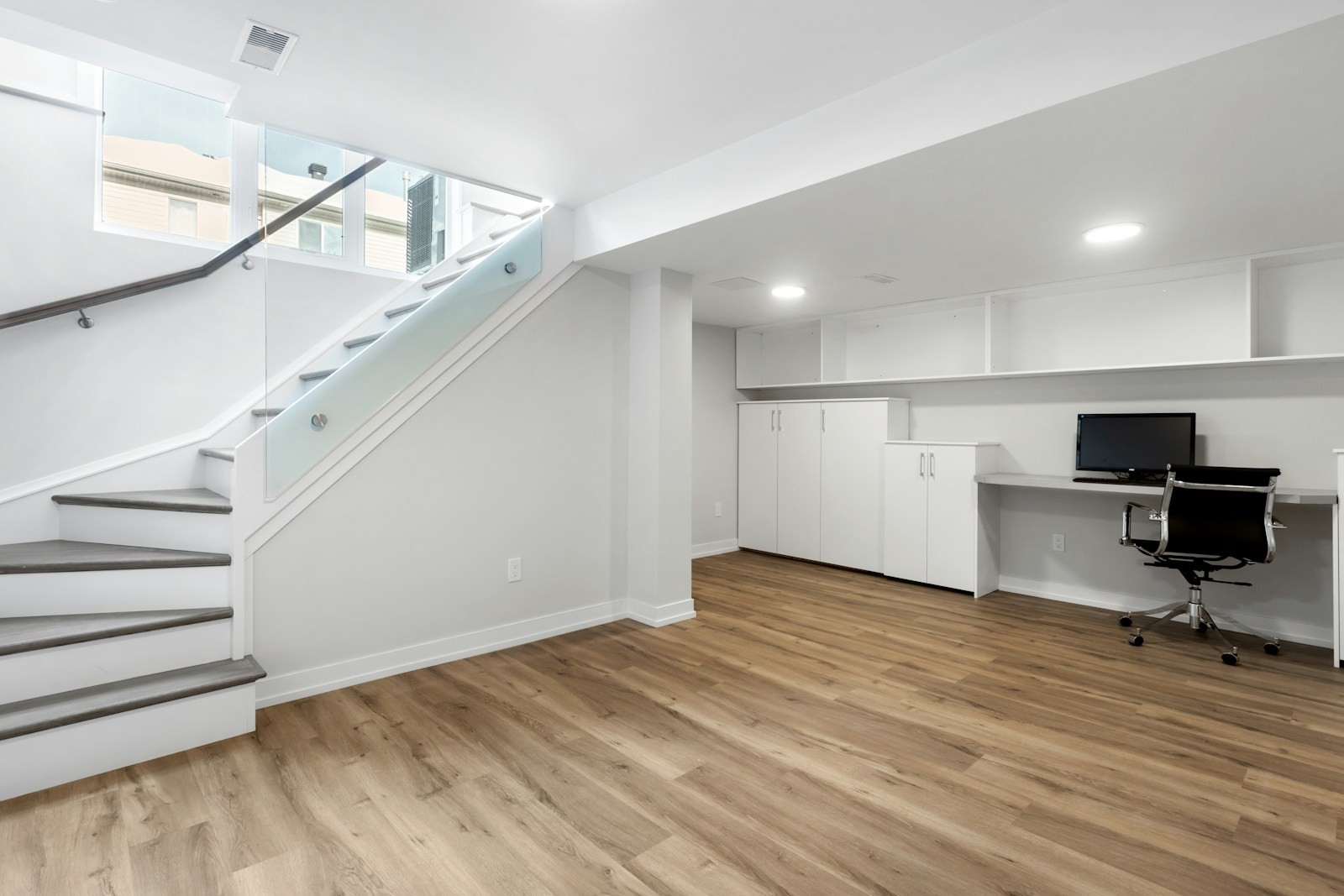
  • Offer flexible spaces: Homes with finished basements or multiple bedrooms attract larger families.

  • Invest near transit: LRT-connected neighborhoods will remain rental hot spots.

  • Target student housing: Proximity to uOttawa, Carleton, or Algonquin ensures steady demand.

  • Build long-term relationships: Many immigrants rent first, then buy—landlords may gain loyal tenants who eventually become buyers.


Conclusion

Rising immigration is one of the most significant forces shaping Ottawa’s rental market in 2025. As newcomers settle across the city, demand is surging for affordable, family-friendly, and transit-accessible rentals.

For landlords and investors, this presents a clear opportunity: by understanding where and how immigrants are choosing to live, you can position your properties for strong cash flow and long-term success.

Read

The Impact of Ottawa’s New Development Charges on Investors (2025 Edition)

In 2025, Ottawa’s real estate landscape isn’t just being shaped by housing demand and interest rates—it’s also being influenced by development charges. These fees, levied by the city, play a critical role in funding the infrastructure needed for growth, but they also affect the cost of building, buying, and investing in Ottawa properties.

For investors—whether in pre-construction condos, rental projects, or custom builds—understanding Ottawa’s development charges is essential to calculating true ROI. Let’s break down what these charges are, why they’re rising, and what they mean for buyers and investors.


What Are Development Charges?

Development charges (often called DCs) are fees the City of Ottawa collects from builders when they create new residential or commercial properties.

They help fund:

  • Roads and transit expansion

  • Water and sewage infrastructure

  • Parks, recreation, and libraries

  • Emergency services (fire, police, paramedics)

In short, DCs ensure that new growth pays for itself instead of relying solely on taxpayers.


Recent Changes to Development Charges in Ottawa (2025)

Ottawa, like many growing cities, has been raising development charges to keep pace with infrastructure costs.

Key updates for 2025 include:

  • Higher rates for suburban developments (Barrhaven, Orleans, Riverside South) due to new LRT expansions and road projects.

  • Increased charges for high-density builds (downtown condos and infill projects), reflecting demand on city services.

  • Additional fees tied to green building initiatives, pushing developers toward sustainability.

These charges can add tens of thousands of dollars per unit to a project’s cost.


How Development Charges Affect Investors

1. Pre-Construction Condo Buyers

  • Impact: Developers often pass DC costs directly to buyers as part of closing adjustments.

  • Result: Investors may face higher-than-expected final closing costs, sometimes in the $8,000–$20,000 range per unit.

2. Builders and Developers

  • Impact: Rising DCs increase upfront project costs, making land acquisition and construction more expensive.

  • Result: Some projects get delayed, downsized, or canceled, reducing supply and pushing resale values higher.

3. Rental Property Investors

  • Impact: Higher development charges can push up rents as landlords try to recover costs.

  • Result: Ottawa’s tight rental market means many tenants accept higher rents, but affordability concerns may impact turnover.

4. Custom Home Builders

  • Impact: Even individual lot builds are subject to DCs.

  • Result: Costs for a custom build in Ottawa have risen significantly, often by $30K–$50K in fees alone.


Strategies for Ottawa Investors in 2025

  1. Budget for closing adjustments – If buying pre-construction, account for potential DC costs when calculating ROI.

  2. Look for capped clauses – Some developers offer contracts that cap development charge pass-throughs.

  3. Factor DCs into rental income projections – Ensure rents can realistically cover higher ownership costs.

  4. Focus on established neighborhoods – Infill projects in areas like Carlington or Hintonburg may face lower infrastructure-driven DC hikes.

  5. Leverage long-term appreciation – While DCs add to upfront costs, limited housing supply could boost property values over time.


Conclusion

Ottawa’s new development charges in 2025 are reshaping the economics of real estate investment. While they increase short-term costs for buyers and builders, they also ensure that Ottawa grows sustainably—with transit, infrastructure, and services keeping pace.

For investors, the key is understanding these fees upfront, planning for them in your budget, and recognizing that in the long run, Ottawa’s strong fundamentals still make it a competitive and stable market for real estate growth.

Read

Townhouse Living in Ottawa: Why It’s the Middle Ground Between Condo and Detached

For many young families in Ottawa, buying a home in 2025 comes down to balancing budget, space, and lifestyle. Condos are often too small, while detached homes can feel out of reach in today’s market. That’s where townhouses come in—the sweet spot between affordability and functionality.

Townhouses offer the privacy of a house with the lower maintenance of a condo, making them one of the most popular housing options in Ottawa right now. If you’re considering a move, here’s why townhouse living might be the perfect choice.


What Is a Townhouse?

A townhouse is a multi-level home attached to one or two neighboring units. In Ottawa, you’ll find:

  • Condo townhouses – Owners own the unit but share responsibility for exterior maintenance, often with condo fees.

  • Freehold townhouses – Owners are fully responsible for the property, with no condo fees.

Both types are popular with first-time buyers, downsizers, and growing families.


Pros of Townhouse Living in Ottawa

1. Affordability Compared to Detached Homes

Detached homes in Ottawa often start well above $750K, while townhouses typically range between $500K–$650K, making them more accessible for families.

2. More Space Than a Condo

Unlike condos, townhouses usually offer:

  • Multiple bedrooms

  • Private entry

  • A small backyard or patio

  • Basements (finished or unfinished) for storage or play space

3. Family-Friendly Neighborhoods

Most townhouse developments are located in suburban hubs like Barrhaven, Orleans, and Riverside South, areas known for schools, parks, and safe streets.

4. Lower Maintenance

With smaller yards and shared walls, upkeep is less demanding than a detached property. Condo townhouses may even include snow removal and exterior repairs.

5. Strong Resale Demand

Townhouses appeal to a wide buyer pool—first-time buyers, investors, and downsizers—which makes them easier to resell compared to niche properties.


Cons of Townhouse Living in Ottawa

1. Shared Walls

Noise can travel between units, especially in older builds. For families with young children, this can be a consideration.

2. Smaller Yards

While most townhouses have outdoor space, backyards are limited compared to detached homes.

3. Condo Fees (in Some Cases)

Condo townhouses may include monthly fees. While they cover maintenance, they can also add to your housing budget.

4. Parking Limitations

Some developments only include one parking spot. Families with multiple cars may need to plan carefully.

5. Slower Appreciation Than Detached Homes

Detached properties generally grow faster in value over the long term, though townhouses still perform better than condos.


Where to Find Great Townhouses in Ottawa (2025)

  • Barrhaven – Newer developments with family-focused amenities.

  • Orleans – Affordable options with access to the LRT expansion.

  • Kanata – Ideal for tech workers and families wanting schools and parks.

  • Riverside South – Modern townhouses in a fast-growing suburb.

  • Carlington – Older townhouses closer to downtown with good value potential.


Is a Townhouse Right for You?

A townhouse is the ideal middle ground if you:

  • Need more space than a condo but can’t stretch to a detached budget.

  • Want a family-friendly environment without heavy maintenance.

  • Are looking for a property with resale appeal.

For young families, townhouses deliver the right balance of affordability, space, and convenience.


Conclusion

In Ottawa’s 2025 real estate market, townhouse living is the practical solution for families who want room to grow without breaking the bank. With affordable prices, modern layouts, and access to family-focused communities, townhouses continue to be one of the city’s strongest housing options.

Read

Virtual Tours vs. In-Person Showings in Ottawa’s 2025 Market: Which Gets Better Results?

In Ottawa’s ever-evolving real estate market, one of the biggest shifts in how homes are marketed and sold has been the rise of virtual tours. Since the pandemic accelerated the use of digital tools, buyers have grown more comfortable viewing properties online before deciding whether to book an in-person showing.

But in 2025, with both virtual and traditional methods firmly established, sellers and buyers alike are asking: Which one actually works better in Ottawa’s market today?

This article breaks down the pros and cons of virtual tours vs. in-person showings—and why, in most cases, the answer is a smart combination of both.


Why Virtual Tours Have Become Standard in Ottawa

Virtual tours are no longer a luxury add-on—they’re expected. Ottawa buyers want to preview properties online before taking time out of their busy schedules to visit in person.

Benefits of Virtual Tours

  • Wider reach – Great for out-of-town buyers (e.g., from Toronto, Montreal, or internationally).

  • Convenience – Buyers can explore a property anytime, without waiting for an appointment.

  • Fewer “just browsing” showings – Only serious buyers book in-person visits.

  • Transparency – 3D tours and walkthrough videos help buyers spot details photos may not capture.

Limitations of Virtual Tours

  • No real sense of space – Even the best 3D tours can’t fully capture room size or flow.

  • Lacks emotional connection – Buyers often “fall in love” with a home in person, not online.

  • Potential tech gaps – Not every buyer is tech-savvy, and some listings may have poor-quality tours.


Why In-Person Showings Still Matter

Despite digital advances, nothing replaces physically stepping into a home. For many Ottawa buyers, especially first-timers, that moment is essential to making a decision.

Benefits of In-Person Showings

  • Tangible experience – Buyers can feel the layout, lighting, and neighborhood vibe.

  • Spot hidden issues – Smells, noise, or maintenance problems that don’t show up online.

  • Emotional connection – Buyers often imagine their lives in the space during a visit.

  • Stronger offers – Serious interest is typically sparked after an in-person tour.

Limitations of In-Person Showings

  • Time-consuming – Buyers may see several homes in a day, leading to fatigue.

  • Scheduling challenges – Not always flexible for out-of-town or shift workers.

  • More foot traffic – Sellers may find it disruptive, especially with families or pets.


Ottawa Buyer Trends in 2025

  • Hybrid approach is key – Most buyers want to see a virtual tour first and then book an in-person showing for their top picks.

  • Relocation buyers – Professionals moving from Toronto, Vancouver, or abroad often make offers based solely on virtual tours.

  • Local buyers – Ottawa residents typically still want at least one in-person visit before committing.

  • Condo buyers – More likely to buy sight-unseen after a virtual walkthrough, since layouts are standardized.

  • Detached home buyers – Prefer in-person, as yard size, street presence, and neighborhood are harder to judge online.


Which Gets Better Results in Ottawa?

The truth is, both methods work best when combined.

  • Virtual tours attract a larger pool of buyers, increase online engagement, and weed out casual lookers.

  • In-person showings seal the deal by creating confidence and emotional attachment.

Homes in Ottawa that include a professional virtual tour and allow for easy in-person showings consistently sell faster and closer to asking price.


Tips for Sellers in 2025

  1. Invest in professional photography & 3D tours – Poor-quality visuals can hurt your listing more than help.

  2. Highlight key features virtually – Showcase renovated kitchens, spacious basements, or backyard setups.

  3. Stage for both formats – Online staging emphasizes light and angles, while in-person staging creates atmosphere.

  4. Be flexible with showings – Accommodate different buyer types (local and out-of-town).

  5. Work with an agent who embraces tech – A realtor who knows how to market virtually and traditionally gives you the edge.


Conclusion

In Ottawa’s 2025 real estate market, it’s not about choosing between virtual tours vs. in-person showings—it’s about combining them. Virtual tours cast a wide net and bring serious buyers to your door, while in-person showings provide the confidence and emotional spark needed to write an offer.

For sellers, embracing both strategies ensures your home sells faster, for more money, and with less stress.

Read

Ottawa’s Best Starter Homes in 2025: Where First-Time Buyers Should Look

Buying your first home in Ottawa can feel overwhelming, especially in 2025 when affordability, competition, and lifestyle factors are top of mind. For many first-time buyers, the dream is simple: a safe neighborhood, manageable mortgage, and enough space to grow. Luckily, Ottawa still offers several affordable pockets where entry-level buyers can find good value without sacrificing quality of life.

This guide highlights the best neighborhoods in Ottawa for starter homes in 2025, including what to expect in terms of price, amenities, and long-term potential.


Why Ottawa Is Still Great for First-Time Buyers

While housing costs have risen across Canada, Ottawa remains more affordable than cities like Toronto and Vancouver. A few reasons first-time buyers are choosing Ottawa:

  • Stable employment market – Public sector, tech, and healthcare jobs keep the city strong.

  • Steady appreciation – Ottawa homes don’t swing wildly in value, making them lower-risk.

  • Diverse housing stock – From condos and townhomes to small detached houses.

  • Quality of life – Green space, transit, schools, and safety attract young families and professionals.


Best Neighborhoods for Ottawa Starter Homes in 2025

1. Barrhaven

  • Why it’s great: Known as “suburban Ottawa,” Barrhaven offers newer townhouses, stacked condos, and small detached homes.

  • Price point: Townhomes often start in the mid-$500Ks, still competitive for first-time buyers.

  • Lifestyle perks: Family-oriented with schools, parks, and shopping nearby. Great for young couples planning to grow.

2. Orleans (Chapel Hill & Fallingbrook)

  • Why it’s great: East-end affordability with a wide range of starter homes, from townhouses to older detached properties.

  • Price point: Many options under $600K, making it one of the better-value areas.

  • Lifestyle perks: Strong bilingual community, access to the LRT expansion, and lots of green space.

3. Alta Vista (Apartments & Small Homes)

  • Why it’s great: Central location with older condos and smaller bungalows ideal for first-time buyers who want city living.

  • Price point: Condos often available in the $400Ks–$500Ks range.

  • Lifestyle perks: Close to hospitals, schools, and major transit routes—appealing to young professionals.

4. Kanata (Beaverbrook & Katimavik)

  • Why it’s great: A tech hub with many affordable townhomes and older detached houses in mature neighborhoods.

  • Price point: Townhomes around $500K–$600K are still attainable.

  • Lifestyle perks: Walkable neighborhoods, good schools, and close to high-paying tech jobs.

5. Vanier

  • Why it’s great: Long considered underrated, Vanier is transforming with new developments and young families moving in.

  • Price point: Smaller homes and condos can still be found below $500K.

  • Lifestyle perks: Minutes from downtown, growing cultural scene, and potential for long-term value growth.

6. Riverside South

  • Why it’s great: A booming suburb with lots of new construction, perfect for first-time buyers looking for modern layouts.

  • Price point: Newer stacked condos and townhomes in the $450K–$600K range.

  • Lifestyle perks: Planned around the LRT extension, making future commutes easier.

7. Carlington

  • Why it’s great: An up-and-coming area close to downtown, with smaller post-war homes that are ideal starter properties.

  • Price point: Bungalows and semis often in the $550K–$650K range.

  • Lifestyle perks: Good for buyers willing to do light renovations while enjoying city access.


Tips for First-Time Ottawa Buyers in 2025

  1. Get pre-approved early – Rising interest rates make this step essential.

  2. Look at total costs – Don’t just compare purchase prices; factor in condo fees, utilities, and taxes.

  3. Be flexible – If your dream area is out of reach, explore nearby communities with similar amenities.

  4. Consider appreciation – Starter homes in emerging neighborhoods (like Vanier or Carlington) may grow in value faster.

  5. Work with a local agent – Ottawa’s market is neighborhood-specific, and insider knowledge can help you secure a deal.


Conclusion

Buying your first home in Ottawa in 2025 doesn’t have to mean compromising on lifestyle or location. From family-friendly suburbs like Barrhaven and Orleans to up-and-coming inner neighborhoods like Carlington and Vanier, there are still many options for first-time buyers.

The key is to balance affordability with future growth potential, making sure your starter home not only meets your needs today but also supports your long-term financial goals.

Read

The Rise of Mixed-Use Communities in Ottawa – Combining Retail, Residential, and Lifestyle

In 2025, Ottawa’s real estate market is being shaped not only by demand for housing but also by how people want to live. More than ever, buyers are seeking walkable, self-contained neighborhoods where daily needs—shopping, dining, recreation, and work—are just steps away. Enter the mixed-use community, a growing trend transforming Ottawa’s urban and suburban landscapes.

These developments combine residential living with retail, services, and amenities, creating vibrant hubs that support both convenience and community. For buyers, renters, and investors alike, mixed-use neighborhoods are quickly becoming some of the most desirable spots in Ottawa.


What Is a Mixed-Use Community?

A mixed-use community is a thoughtfully designed neighborhood that blends:

  • Residential units – Condos, apartments, or townhomes.

  • Retail and dining – Shops, cafés, and restaurants built right into the community.

  • Lifestyle amenities – Parks, fitness centers, co-working spaces, and cultural venues.

  • Transit access – Many are designed around LRT stations and major bus hubs for easy commuting.

The idea is simple: instead of commuting across the city for daily needs, residents can live, work, and play in one integrated community.


Why Mixed-Use Communities Are Growing in Ottawa

Several factors are driving the rise of these developments in Ottawa:

  • Lifestyle demand – Buyers want convenience and walkability, especially younger professionals and downsizers.

  • Sustainability – Reducing reliance on cars aligns with Ottawa’s green and climate goals.

  • Urban planning – The city is encouraging intensification around LRT stations to limit urban sprawl.

  • Community appeal – Mixed-use hubs create lively, people-centered environments.


Examples of Mixed-Use Communities in Ottawa

Zibi (Downtown-Gatineau Border)

  • A massive waterfront development spanning Ottawa and Gatineau.

  • Blends condos, office space, retail, and cultural venues.

  • Promotes sustainability with green design and walkable layouts.

Greystone Village (Old Ottawa East)

  • Built along the Rideau River, this community combines townhomes, condos, and retail.

  • Walkable design with cafés, shops, and green spaces.

  • Attracts families, professionals, and downsizers seeking a lifestyle balance.

LeBreton Flats Redevelopment

  • A future mega-project around the LRT and Ottawa River waterfront.

  • Plans include housing, retail, cultural institutions, and public spaces.

  • Set to become a major hub for both locals and tourists.

South Keys & Riverside South

  • These suburban areas are seeing new developments designed around the LRT expansion.

  • Homes are integrated with shopping plazas, services, and parks, reducing car dependence.


Benefits of Living in a Mixed-Use Community

  • Walkability – Cafés, gyms, and shops right outside your door.

  • Stronger resale value – Desirable locations often see faster appreciation.

  • Sense of community – Designed with plazas, courtyards, and public gathering spaces.

  • Reduced commuting – Work-from-home and co-working options within communities.

  • Eco-friendly living – Lower reliance on cars and emphasis on green design.


Considerations Before Buying

While mixed-use communities are appealing, buyers should weigh:

  • Price Premiums – Condos and homes in these developments often cost more.

  • Noise & Activity – Living above retail or near busy public areas may not suit everyone.

  • Ongoing Development – Many projects take years to complete, meaning construction nearby.


Conclusion

The rise of mixed-use communities in Ottawa reflects a shift in how people want to live in 2025—convenient, connected, and community-oriented. Whether it’s the sustainability of Zibi, the family-friendly vibe of Greystone Village, or the future promise of LeBreton Flats, these developments offer more than just homes—they offer lifestyles.

For buyers and investors, mixed-use communities represent not only a smart real estate choice but also a chance to be part of Ottawa’s future.

Read

Living Along the Ottawa River: Waterfront Communities to Explore

The Ottawa River is one of the city’s most defining natural features, offering breathtaking views, outdoor recreation, and a unique lifestyle. For many buyers, living near the river isn’t just about the scenery—it’s about a lifestyle centered on nature, walkability, and community charm.

From trendy urban pockets to leafy suburban enclaves, several neighborhoods along the Ottawa River are worth exploring if waterfront living is on your wish list. Let’s take a closer look at Westboro, Britannia, Rockcliffe, and Orléans—four riverfront areas with distinct personalities.


Westboro – Trendy Riverside Living

Westboro has transformed into one of Ottawa’s most desirable neighborhoods, and proximity to the Ottawa River is a huge part of its appeal.

  • Lifestyle: Westboro Beach and the Ottawa River Pathway provide endless opportunities for biking, running, and waterside strolls. Cafés, boutiques, and fitness studios create a vibrant, active vibe.

  • Housing Options: A mix of modern condos, renovated century homes, and luxury infill builds. Many properties feature river views, which command premium prices.

  • Best For: Young professionals, families, and downsizers looking for a walkable, upscale community with easy access to both downtown and nature.


Britannia – Relaxed Waterfront Charm

Britannia offers a quieter, more laid-back riverside lifestyle while still being just minutes from the core.

  • Lifestyle: Home to Britannia Beach and Andrew Haydon Park, this area is perfect for families and outdoor enthusiasts. Paddleboarding, kayaking, and community events create a neighborhood feel with a resort-like atmosphere.

  • Housing Options: More affordable than Westboro, with a mix of mid-century homes, townhouses, and some low-rise condos.

  • Best For: Buyers seeking affordability and outdoor living, without sacrificing proximity to the city.


Rockcliffe Park – Ottawa’s Prestigious Waterfront Enclave

Rockcliffe Park is synonymous with prestige and exclusivity, and its riverfront setting enhances that reputation.

  • Lifestyle: Known for its embassies, winding streets, and leafy parks, Rockcliffe offers privacy and sophistication. The Ottawa River pathways here provide stunning views in a serene, estate-like setting.

  • Housing Options: Primarily luxury estates and historic mansions with some of the most expensive real estate in Ottawa.

  • Best For: Diplomats, executives, and those looking for heritage charm, space, and prestige in a tranquil riverfront environment.


Orléans – Suburban River Living

On Ottawa’s east side, Orléans stretches along the Ottawa River, providing families with both space and accessibility.

  • Lifestyle: Petrie Island is a local gem, with sandy beaches and nature trails. The river views here combine with a strong Francophone community and excellent schools, making it family-friendly.

  • Housing Options: A wide variety of affordable detached homes, newer subdivisions, and condos, many within reach of the river.

  • Best For: Families and first-time buyers looking for space, affordability, and nature access, without giving up suburban conveniences.


Why Choose a Riverfront Community in Ottawa?

Living along the Ottawa River comes with perks that go beyond views:

  • Recreation: Access to beaches, trails, and water sports.

  • Community: Vibrant neighborhoods with strong local identities.

  • Lifestyle Balance: The tranquility of nature combined with proximity to the city.

  • Resale Value: Riverfront and near-river properties often hold long-term value due to high demand.


Conclusion

Whether you’re drawn to Westboro’s trendy energy, Britannia’s relaxed charm, Rockcliffe’s exclusivity, or Orléans’ suburban affordability, the Ottawa River offers something for every buyer. Choosing a riverfront community means more than buying a home—you’re investing in a lifestyle built around scenic beauty, outdoor activity, and timeless appeal.

For many Ottawa buyers, the river isn’t just a backdrop—it’s the heart of their daily lives.

Read

How Ottawa Sellers Can Compete Against New Construction Homes – Positioning Older Homes in Today’s Market

In Ottawa’s 2025 real estate market, new construction homes are popping up across suburbs like Barrhaven, Riverside South, Kanata, and Orléans. Sleek finishes, modern layouts, and builder incentives make them highly attractive to buyers. But if you’re selling an older home, you might be wondering: how can I compete?

The good news is that resale homes have unique advantages that builders can’t always match. With the right strategy, sellers can position their homes as competitive—or even preferable—options compared to brand-new builds.


Why Buyers Consider New Construction Homes

Before diving into strategies, it helps to understand what draws buyers to new builds:

  • Modern layouts – Open-concept floor plans, big kitchens, and primary suites.

  • Turnkey living – Move-in ready without renovations.

  • Energy efficiency – New HVAC systems, windows, and insulation.

  • Builder incentives – Appliances, upgrades, or financing perks.

  • Warranty protection – Ontario’s Tarion Warranty program covers major issues.

These are strong selling points—but resale homes can shine in different, equally appealing ways.


Strategies for Competing Against New Builds

1. Highlight Lot Size and Mature Landscaping

  • Many new subdivisions feature smaller lots with limited outdoor space.

  • If your home has a larger yard, mature trees, or established gardens, emphasize this.

  • Buyers often appreciate the privacy and outdoor living space that resale homes provide.


2. Showcase Location Advantages

  • New builds are often on the city’s edge, requiring longer commutes.

  • If your home is in a central or established neighborhood, highlight walkability, proximity to schools, shopping, and transit (especially LRT access).

  • Lifestyle convenience is a major selling point for busy families and professionals.


3. Update Select Features

You don’t need to gut your home to compete. Focus on high-impact, cost-effective updates:

  • Fresh paint in neutral tones.

  • New light fixtures and hardware.

  • Updated kitchen countertops or backsplashes.

  • Modern bathroom vanities.

These small changes can make an older home feel refreshed and closer in appeal to a new build.


4. Leverage Move-In Readiness

  • While new construction homes look modern, many buyers face delays, unfinished basements, and landscaping costs.

  • If your home is fully finished with a functional basement or fenced yard, make sure to highlight that.

  • Stress the value of “no surprises, no waiting—just move in.”


5. Compete on Price and Value, Not Just Age

  • Buyers often expect resale homes to be more affordable than brand-new builds.

  • If your home offers more space, upgrades, or a better location at the same price—or less—point out that value clearly in your marketing.

  • Example: “$50,000 less than a comparable new build, with a finished basement and no extra landscaping costs.”


6. Emphasize Character and Quality

  • New builds can feel cookie-cutter, with homes on the same street looking nearly identical.

  • Older homes often feature unique architecture, solid construction, and character details buyers can’t find in today’s designs.

  • Lean into the charm factor while still modernizing key areas.


7. Market With Professional Presentation

  • Professional staging, photography, and virtual tours are non-negotiable.

  • Buyers scrolling through listings should see your home as bright, spacious, and well cared for.

  • A polished presentation helps older homes compete directly with shiny new builder showrooms.


Mistakes to Avoid When Competing With New Homes

  • Overpricing: If your home is priced above nearby new builds, buyers may skip it entirely.

  • Skipping Updates: Outdated finishes make buyers feel like they’ll need to spend tens of thousands on renovations.

  • Ignoring Curb Appeal: New homes look crisp and clean; your exterior should too. Fresh paint, landscaping, and small fixes go a long way.

  • Under-marketing Location Benefits: If your home is closer to downtown, schools, or transit, make that the headline—not a footnote.


Conclusion

While new construction homes attract attention with their fresh finishes and builder perks, resale homes in Ottawa hold powerful advantages: bigger lots, better locations, move-in readiness, and unique character. By making smart updates, staging effectively, and emphasizing lifestyle value, sellers can position their homes as the smarter choice.

In a market where buyers have options, the key isn’t to try to mimic new builds—but to highlight what makes your home different, better, and more practical.

Read

How to Market Your Ottawa Home to Toronto Buyers – Capturing Out-of-Town Demand

Toronto’s red-hot real estate market has priced many buyers out of the city, leading more and more Ontarians to look toward Ottawa as an affordable alternative. For sellers in Ottawa, this trend presents a golden opportunity: positioning your property to attract Toronto buyers who are motivated, financially prepared, and eager to relocate.

If you’re preparing to sell, here’s how to tailor your marketing strategy to capture out-of-town interest in 2025.


Why Target Toronto Buyers?

Toronto buyers are increasingly drawn to Ottawa for several reasons:

  • Affordability – Comparable homes in Ottawa cost hundreds of thousands less than in Toronto.

  • Remote Work Trends – Many professionals can now work remotely or travel occasionally, making Ottawa a viable base.

  • Lifestyle – Ottawa offers a slower pace of life, family-friendly communities, and easy access to nature.

  • Investment Potential – Savvy investors see Ottawa as a stable, growing market with strong rental demand.

By highlighting these advantages, Ottawa sellers can make their homes stand out to Toronto audiences.


Strategies to Market to Toronto Buyers

1. Professional Photography and Videography

  • Toronto buyers often shop online before visiting, so your listing photos must shine.

  • Invest in wide-angle photography, drone shots, and 3D virtual tours to showcase your home fully.

  • Think of your listing as an online storefront—if the visuals don’t impress, you risk losing attention before a showing.


2. Highlight Affordability and Value

  • Emphasize what your Ottawa home offers that Toronto buyers can’t get at the same price—larger lots, modern finishes, and spacious layouts.

  • Use comparisons like: “This 4-bedroom detached home in Ottawa is half the cost of a similar property in Toronto.”


3. Showcase Lifestyle Benefits

Toronto buyers want more than affordability—they want quality of life. Highlight features such as:

  • Proximity to parks, trails, and the Rideau Canal.

  • Family-oriented neighborhoods with great schools.

  • Lower congestion and a quieter pace of life.

  • A thriving culinary and cultural scene in Ottawa’s urban neighborhoods.


4. Optimize Your Online Presence

  • Ensure your home is listed on MLS and major real estate platforms accessible in Toronto.

  • Work with an agent who actively markets listings on social media channels like Instagram, TikTok, and Facebook, where out-of-town buyers often browse.

  • Consider Google Ads or targeted social media campaigns that specifically target the GTA audience.


5. Offer Virtual Showings and Remote Flexibility

  • Many Toronto buyers won’t travel for every listing. Provide:

    • Live virtual tours via Zoom or FaceTime.

    • Pre-recorded walk-throughs with commentary.

    • Easy access to digital floor plans and feature sheets.

  • This builds trust and convenience before they commit to an in-person visit.


6. Work with an Agent Experienced in Out-of-Town Buyers

  • Realtors familiar with Toronto buyers know how to position Ottawa homes competitively.

  • They can help with referrals, long-distance negotiations, and remote closings—making the buying process smoother for out-of-town clients.


7. Consider Timing Your Sale Strategically

  • Toronto buyers often shop during spring and fall markets, when housing activity peaks.

  • Listing during these times can increase your chances of attracting motivated out-of-town buyers ready to act quickly.


Mistakes to Avoid When Marketing to Toronto Buyers

  • Underestimating Presentation: A cluttered, poorly staged home won’t stand out in competitive markets.

  • Ignoring Online Visibility: Relying only on local exposure limits your reach.

  • Overpricing: Toronto buyers are price-sensitive—they want value, not just cheaper-than-Toronto pricing.

  • Lack of Flexibility: Insisting on only in-person showings can deter serious out-of-town interest.


Conclusion

Toronto buyers are an increasingly important audience for Ottawa sellers in 2025. By showcasing affordability, emphasizing lifestyle perks, and leveraging professional marketing tools, you can capture their attention and stand out in a competitive market.

If you prepare your listing with out-of-town demand in mind, you won’t just attract buyers—you’ll attract the right buyers willing to pay top dollar for your Ottawa home.


Read

Ottawa’s French-Friendly Neighborhoods for Bilingual Families

Ottawa is proudly bilingual, and many families moving here—whether from Quebec, elsewhere in Canada, or abroad—want a neighborhood that supports both English and French lifestyles. From strong French-language schools to Francophone community services and family-friendly housing options, Ottawa has several areas that make settling in seamless for bilingual families.

If you’re searching for the right neighborhood, here’s a guide to the top French-friendly areas in Ottawa for 2025.


Why Bilingual Families Choose Ottawa

Before diving into specific neighborhoods, it’s worth highlighting why Ottawa is such a strong choice for bilingual households:

  • French and English School Boards – Families can access Catholic or public education in either language.

  • Francophone Community Services – Healthcare, childcare, and cultural programs available in French.

  • Cultural Diversity – Ottawa’s bilingual character makes it easier for children to grow up fluent in both languages.

  • Career Opportunities – Many federal and provincial jobs require or strongly prefer bilingual skills.


Top French-Friendly Neighborhoods in Ottawa

1. Orléans – The Francophone Hub of Ottawa

  • Schools & Services: Orléans is home to a high concentration of French Catholic and French public schools, as well as community centers offering French programs.

  • Community Feel: Many families here speak French at home, making it easy for bilingual kids to feel included.

  • Housing Options: A wide range of affordable single-family homes, townhouses, and newer builds, with prices often lower than central Ottawa.

  • Why Families Love It: Safe, suburban, and full of French services, Orléans remains Ottawa’s go-to community for Francophone families.


2. Vanier – Urban Living with Francophone Roots

  • Schools & Services: Historically Ottawa’s Francophone heart, Vanier still offers French schools, daycares, and services.

  • Community Feel: Strong cultural heritage, with events and organizations that celebrate French language and traditions.

  • Housing Options: More affordable urban homes compared to nearby Sandy Hill or Lowertown, plus some newer condos and rentals.

  • Why Families Love It: Close to downtown, vibrant cultural scene, and an authentic Francophone spirit.


3. Barrhaven – Growing Suburb with Bilingual Appeal

  • Schools & Services: Barrhaven has seen major growth in French-language schools and childcare as the population expands.

  • Community Feel: A diverse, family-oriented suburb where French and English households blend seamlessly.

  • Housing Options: Spacious single-family homes, townhouses, and some condos, making it attractive for growing families.

  • Why Families Love It: Newer homes, parks, and modern amenities, all while offering bilingual education choices.


4. Rockland (East of Ottawa) – Affordable and Francophone-Friendly

  • Schools & Services: Though outside Ottawa proper, Rockland has a large Francophone population and excellent access to French-language education.

  • Community Feel: Strong small-town vibe with French widely spoken in daily life.

  • Housing Options: More affordable detached homes and townhouses compared to central Ottawa.

  • Why Families Love It: A great balance of affordability, space, and French cultural presence.


5. Lowertown / Sandy Hill – Central Ottawa with Bilingual Access

  • Schools & Services: Proximity to downtown means quick access to both French and English schools, as well as bilingual daycare centers.

  • Community Feel: A diverse, multicultural mix of professionals, families, and students, with many bilingual households.

  • Housing Options: Mix of heritage homes, townhouses, and condos, appealing to professionals with families.

  • Why Families Love It: Walkable, close to Parliament Hill and University of Ottawa, and rich in bilingual culture.


Factors Bilingual Families Should Consider

When choosing a neighborhood, bilingual families often weigh these factors:

  • Proximity to French Schools – Both French Catholic and French public options matter depending on preference.

  • Community Services – Look for areas with bilingual healthcare clinics, daycares, and community programs.

  • Housing Affordability – Suburbs like Orléans and Barrhaven provide more space, while Vanier and Sandy Hill offer central access.

  • Cultural Environment – Living in areas with active Francophone communities helps children maintain fluency.


Conclusion

For bilingual families, Ottawa offers a rare advantage: a city where both French and English thrive side by side. Whether you’re drawn to the Francophone stronghold of Orléans, the heritage charm of Vanier, or the suburban growth of Barrhaven, you’ll find communities that support your family’s cultural and linguistic needs.

Choosing the right French-friendly neighborhood isn’t just about buying a home—it’s about giving your children the chance to grow up in a community that embraces their bilingual identity.

Read

Buying a Home Near Ottawa’s Hospitals: Civic, CHEO, and General Campus Hot Spots

Ottawa’s healthcare sector is one of the city’s largest employers, drawing professionals from across Canada and abroad. For doctors, nurses, researchers, and support staff, living close to Ottawa’s major hospitals—The Ottawa Hospital Civic Campus, CHEO (Children’s Hospital of Eastern Ontario), and The General Campus—offers huge lifestyle benefits. Shorter commutes, access to top-tier medical facilities, and vibrant surrounding neighborhoods make these areas some of the city’s most in-demand housing markets.

If you’re a healthcare worker relocating to Ottawa, here’s a breakdown of the best communities around each major hospital.


Living Near The Ottawa Hospital – Civic Campus (Carling Ave.)

The Civic Campus is undergoing a major redevelopment, set to transform it into one of Canada’s largest and most modern hospitals. This has made nearby neighborhoods extremely attractive for buyers looking to invest in both lifestyle and long-term value.

Top Neighborhoods Near the Civic Campus

  • Civic Hospital / Carlington – A mix of charming detached homes and bungalows. The Civic Hospital neighborhood, in particular, is highly sought-after for its proximity, tree-lined streets, and prestige.

  • Hintonburg – Trendy and walkable, full of cafés, craft breweries, and character homes. Perfect for young professionals.

  • Little Italy – A cultural hotspot with new condos, townhomes, and great dining along Preston Street.

  • Westboro (a bit further west) – Higher price point but offers river access, shops, and a great lifestyle.

Price Snapshot (2025): Expect to pay $750K–$1.2M for detached homes in Civic Hospital, while Hintonburg and Little Italy offer a mix of $500K–$800K condos and townhouses.


Living Near CHEO (Children’s Hospital of Eastern Ontario)

CHEO sits in Alta Vista, alongside the Ottawa General and Rehabilitation campuses. Families relocating here often want larger homes with backyards and excellent schools nearby.

Top Neighborhoods Near CHEO

  • Alta Vista – Established, leafy community with large lots and a strong family-friendly feel. Many homes are mid-century bungalows and two-storey houses.

  • Riverview Park – A quieter residential area with easy access to the hospital. Popular with doctors and staff who want to walk or bike to work.

  • Billings Bridge / Heron Gate (nearby condos and townhouses) – More affordable options for younger professionals.

Price Snapshot (2025): Alta Vista detached homes generally range $750K–$1.3M, while Riverview Park and Billings Bridge offer $450K–$700K townhouses and condos.


Living Near The Ottawa Hospital – General Campus

Located right beside CHEO in Alta Vista, the General Campus is one of Ottawa’s busiest hospitals, specializing in trauma, cancer care, and surgery. Many healthcare workers living nearby choose the same communities as those who work at CHEO.

Top Neighborhoods Near the General Campus

  • Alta Vista (again, closest option) – Premium choice for families who want proximity and community feel.

  • Elmvale Acres – Affordable bungalows and semi-detached homes, still within a quick drive to the hospital.

  • Overbrook (just across the Rideau River) – More urban and diverse, with a mix of older homes and newer infill properties.

Price Snapshot (2025): Detached homes in Elmvale Acres average $600K–$800K, while Overbrook offers a mix of $500K–$900K homes and modern infills.


Why Healthcare Workers Choose to Live Near Ottawa’s Hospitals

  • Shorter Commutes – Shift work can mean odd hours; living close reduces stress.

  • Strong Resale Value – Homes near hospitals hold value well thanks to constant demand from staff, students, and medical professionals.

  • Family-Friendly Amenities – Excellent schools, parks, and community centers are common near these neighborhoods.

  • Future Growth – The Civic Campus redevelopment is expected to drive property values up significantly.


Tips for Buying Near Ottawa Hospitals

  1. Act Quickly – Inventory is limited, and homes in these areas often sell fast.

  2. Consider Condos – For younger professionals, condo living in Little Italy or Hintonburg offers lifestyle and convenience.

  3. Plan for the Future – Even if you move hospitals later, these areas remain attractive for resale or renting.

  4. Check Commute Times – If budget pushes you further out, make sure transit or LRT access works with your schedule.


Conclusion

For healthcare workers relocating to Ottawa, buying a home near The Civic Campus, CHEO, or The General Campus offers unmatched convenience, lifestyle perks, and solid long-term investment potential. Whether you want the urban vibe of Hintonburg, the family comfort of Alta Vista, or the cultural energy of Little Italy, Ottawa’s hospital-adjacent neighborhoods give you plenty of options to fit your lifestyle and career.


Read

From Basement Units to Coach Houses: Ottawa’s Secondary Suite Boom

As housing affordability challenges grow in Ottawa, more homeowners are exploring ways to add secondary suites—whether that means finishing a basement apartment, building a garden suite, or constructing a modern coach house. In 2025, these options are becoming not only more common but also a key strategy for families, investors, and the city itself in addressing housing demand.

Let’s break down Ottawa’s secondary suite boom, what’s driving it, and how homeowners can legally and strategically expand their properties.


1. Why Secondary Suites Are Surging in Ottawa

  • Affordability pressures: Buyers are looking for ways to offset high mortgage payments with rental income.

  • City incentives: Ottawa has been revising zoning bylaws to allow more flexibility for secondary units.

  • Changing family dynamics: Multi-generational households are increasingly common, with in-laws, adult children, or caregivers living under one roof.

  • Rental demand: Students, young professionals, and newcomers to Canada are all seeking smaller, more affordable rental options.


2. What Counts as a Secondary Suite in Ottawa?

Secondary units come in different forms, each with its own set of regulations:

  • Basement apartments: The most common option, converting unused basement space into a self-contained rental unit.

  • Garden suites (tiny backyard homes): Detached dwellings on the same property, ideal for families who want separation but proximity.

  • Coach houses: Built above garages or as standalone structures, often more spacious than garden suites.

  • Laneway homes: A newer category being explored, especially in urban neighborhoods with rear alley access.


3. The Legal Pathways: Zoning & Bylaws in 2025

Ottawa allows secondary suites under specific conditions, but homeowners must meet zoning and safety requirements.

  • Zoning rules: Most residential zones now permit one secondary unit, but lot size, setbacks, and height restrictions apply.

  • Parking: In some cases, additional parking space must be provided unless the property is well-served by transit.

  • Building code compliance: Fire separation, proper exits, ceiling height, and ventilation are mandatory.

  • Permits required: All secondary units need building permits and, in some cases, site plan approval.


4. Benefits for Homeowners

Creating a legal secondary suite can:

  • Generate rental income to help cover mortgages.

  • Boost property value by making the home more versatile.

  • Provide housing flexibility for family members, especially in multi-generational households.

  • Contribute to Ottawa’s housing supply, supporting city-wide affordability efforts.


5. Common Challenges Homeowners Face

While appealing, secondary suites aren’t without hurdles:

  • Upfront costs: Basement conversions typically range from $50K–$100K, while coach houses can cost $200K+.

  • Permitting delays: Approvals can take weeks or even months.

  • Neighborhood resistance: Some communities push back on higher density.

  • Ongoing management: Being a landlord comes with responsibilities, from tenant screening to maintenance.


6. Secondary Suites as an Investment Strategy

For Ottawa investors, adding a secondary unit can significantly improve cash flow:

  • A duplexed property may rent for $3,500–$4,500/month total, compared to $2,200–$2,800 for a single-family unit.

  • Coach houses and garden suites, while costly upfront, allow for separate rental streams and can boost resale value.

  • With Ottawa’s rising rents, secondary suites provide a hedge against inflation and market swings.


7. Where in Ottawa Are They Most Feasible?

Not all neighborhoods are equally suited for secondary suites. Key hot spots include:

  • Sandy Hill & Old Ottawa East: Student demand makes basement apartments highly profitable.

  • Kanata & Barrhaven: Larger suburban lots are perfect for coach houses and garden suites.

  • Vanier & Carlington: Affordable entry prices make secondary suite investments more accessible.

  • Downtown core: Strong rental demand, especially for smaller units catering to young professionals.


8. Tips for Success in 2025

  • Get pre-approval: Speak to the city before starting work to confirm zoning eligibility.

  • Work with experts: Hire architects or contractors familiar with Ottawa’s secondary suite bylaws.

  • Think long-term: Consider not just immediate rental income, but also how the suite impacts resale value.

  • Keep it tenant-friendly: Separate entrances, good lighting, and modern finishes will help attract higher-quality tenants.


Final Thoughts

From basement apartments to coach houses, Ottawa’s secondary suite boom represents one of the most important shifts in the city’s housing landscape. Whether you’re a homeowner looking for mortgage relief or an investor seeking to maximize returns, secondary suites offer a path forward—provided you navigate the legal and financial considerations carefully.

In 2025, secondary suites are more than just an add-on; they’re becoming a mainstream solution to affordability, family living, and investment growth in Ottawa.

Read
Categories:   $400k | $500k | $50k Savings | $600k | $700k | $800k | 105 Champagne Ave | 2026 | Activities | Advice | Affordable | AirBnB | Ajax | Algonquin College | All Four Seasons | All you can eat | Alta Vista | Another Province | Apartment | Arnprior | Arnprior Real Estate | Autumn | Available Programs | AYCE | Bakery | Bank of Canada Rate Announcement | Barrhaven | Barrhaven Downtown, Barrhaven - Strandherd Real Estate | Barrhaven East | Barrhaven West | Bayshore | Beacon Hill South | Beechwood Village | Beers | Best | Best Beer | Best Biking Paths | Best Cities To Live | Best Coffee Shops in Ottawa | Best IndianDesi Food | Best Local | Best Neighbourhoods | Best Patio | Best Schools | Best Study Spots | Best Taco Spots | Best Travel Destinations 2026 | Best Walking Paths | Bidding Wars | Bilingual | Boom City | Booming | Boring | Boundary Expansion | Brampton | Britannia Village | BRRRR Strategy | Bucket List | Budget | Budgeting | Build-to-Rent | Building | Bungalow | Burlington | Busing | Buyers Market | Buying | Byward Market | Byward Market, Lower Town Real Estate | Byward Market/Lower Town, Sandy Hill Real Estate | Cafe | Calgary | Canada Day | Cap Rates | Car-Free | Caribbean Food | Carleton Place | Carleton University | Carlington | Carlsbad Springs | Carp | Central 1 | Centretown | Centretown West | Centretown, Ottawa Centre Real Estate | CFB Rockcliffe and Area, Manor Park - Cardinal Glen and A Real Estate | CFB Rockcliffe and Area, Manor Park - Cardinal Glen Real Estate | Changing | Chapel Hill | Cheapest Places | Checklist | CHEO | Childcare | Chinatown | Christmas | Civc Hospital | Civic Hospital | Clients | Climate Goals | Closing Costs | Coffee Shop | Communities | Commuting | Compared | Condo Fees | Condos | Convent Glen and Area, Orleans Real Estate | Cost of Living | Cottage | Country | Credit Score | Date Night | Day in the Life | Decoration | Detached Home | Divorce | Dog Friendly | Dow's Lake | Dow's Lake/Little Italy, Dow's Lake/Little Italy Real Estate | Dow's Lake/Little Italy, West Centre Town Real Estate | Dow's Lake/Little Italy/Civic Hospital and Area, West Centre Town Real Estate | Down Payment | Downsizing | Downtown | Dows Lake - Civic Hospital and Area (4502 - West Centre Town) Real Estate | Dows Lake/Little Italy, West Centre Town Real Estate | Drake | Driving | Duplex | East End | Eco-Friendly | Embrun | Expenses | Expensive | Fall | Family | Family Friendly | Farmer's Market | Fastest Growing Neighbourhoods | Ferrari | Final Walkthrough | Finance | Findlay Creek | Findlay Creek, Leitrim Real Estate | First Apartment | First-Time Buyer | Fitness Studio | Fixer-Upper | Flipping Homes | Food | For Sale | Foreclosure | Freehold | French-Friendly | Friends | Fun | Future | Gatineau | Glebe | Gloucester Glen | Golden Triangle | Good | Gotham | Government Worker | Greely | Growing | GTHA | Guide | Gym | Half Moon Bay | Half Moon Bay - Strandherd, Barrhaven Real Estate | Hamilton | Happy Hour | Heat | Heat Pump | Hidden Gems | Hiking Trails | Hintonburg | Hiring a real estate agent | Historic | History Ottawa | Holiday Spirit | Holidays | Home Business | Home Inspection | Home Office | Home Staging | Homes | Homes on the Canal | Housing Correction | How Much Income Is Needed? | How much is my Ottawa Home Worth? | How To Get Around The City | How to Stay Cool | HST Rebate | Hunt Club | Hurdman | Immigrants | Immigration | In-Person Showings | Income Needed | Infrastructure | Instagram | Interest Rates | International Student | Investing | Investment Property | Kanata | KBBQ | Kemptville | Korean BBQ | Land Transfer Tax (LTT) | Land Values | Landlords | Lawyer | Layout | Leads | Lease | Lebreton Flats | Legal Checklist | Life in Ottawa | Lifestyle | Listing | Little Italy | Living Alone | Living Along | Living Comfortable | Living Costs | Living In | Living in Ottawa | Local | Lowertown | Lowertown/Byward Market, Lowertown/Byward Market Real Estate | LRT | Luxury Homes | Luxury Living | Manotick | Market Advice | Market Data | Market Trends | Market Update | Mechanicsville | Meeting Clients | Mississauga | Mistakes | Mixed-Use | Montreal | Mortgage | Most | Most Overated | Mothers Day | Move | Move-In Ready | Moving | Moving From | Moving To | Multi-Family | Multi-Generational | Munster - Richmond, Stittsville Real Estate | Nature | Negotiation | Neighborhoods | Neighbourhoods | New Canadian | New Construction | New Edinburgh | New Immigrant | New Real Estate Agent | New Realtor | New Resident | New Venue | New-Builds | Newcomer | Next 5 Years | Night Life | North Gower | O-Train | Oakville | Old Ottawa East | Old Ottawa South | Old Ottawa West | Oldest | Open House | Orleans | Orleans South | Oshawa | Ottawa | Ottawa Centre, Centretown Real Estate | Ottawa East/Greystone Village, Ottawa East/Greystone Village Real Estate | Ottawa Population | Ottawa rea | Ottawa Real Estate | Ottawa River | Over Pricing | Overbrook | Parents | Parking | Parks | Parkwood Hills | Part-time Jobs | Patio Season | Peaceful | Pet-Friendly | Petrie Island | Photography | Pickering | Places | Playfair Park, Alta Vista Real Estate | Pre-Approval | Pre-Construction | Pre-List | Price Your Home | Privacy | Professionals | Property Tax | Pros & Cons | Protect Your Home | Public Transportation | Queensway Terrace | Questions | Quiet | Raising Kids | Real Estate Agent | Real Estate Broker | Real Estate Brokerage | Real Estate Lawyer | Red Flags | Regret | Relocation | Remote Workers | Renovate | Renovation | Rent vs. Buy | Rental | Renting | Resale | Restaurant | Retirement | Rideau | Rideau Canal | Rinks | Riverside South | Rockcliffe | Rockland | Rowhomes | Rural | Russell | Safe | Sandy Hill | Sandy Hill, Lower Town Real Estate | Save | Savings | Scenic Drives | Schools | Seasons | Secret | Seller | Selling | Shawarma | Shopping Mall | Single Family Home | Single Home | Skating | Smart Home | SOBA | Solo | Somerset | South Keys | Southvale | Space | Spring | Spring Market | St. Catherines | Starter | Stay | Still Worth It? | Stittsville | Stoney Creek | Stress-Test | Student Housing | Student Rentals | Students | Studying | Suburb | Successful Habits | Summer | Summer Hone | Sunsets | Surprise | Sushi | Switching | Team | Tenants | Thai Food | The Bowery | Things To Do | Thunderstorm | Time Management | Tips | To-Do | Top-Producing Realtor | Toronto | Touring | Townhomes | Townhouse | Transit | Transportation | Trends | Tribeca | Tunney's Pasture | University | University of Ottawa | Upgrades | Urban Living | Vacation Rental | Valentines Day | Vancouver | Vanier | Vars | Viewing | Virtual Tours | Vs. | Walkable | Walking | Walks | Wealth | Weekend Getaways | West End | Westboro | WFA | WFH | What $1,000m gets you | What $1.3M Gets You In Ottawa | What are we known for? | What does it get you? | What to do this weekend? | What to know | Where Do Students Live? | Where is Ottawa Building? | Which city is better to live in? | Which is better to live in? | Which is better? | Whitby | Wine | Wing Deals | Wing Night | Winter | Work From Home | Workforce Adjustment | Would You Live Here? | Zoning
The trademarks REALTOR®, REALTORS®, and the REALTOR® logo are controlled by The Canadian Real Estate Association (CREA) and identify real estate professionals who are member’s of CREA. The trademarks MLS®, Multiple Listing Service® and the associated logos are owned by CREA and identify the quality of services provided by real estate professionals who are members of CREA. Used under license.