RSS

📸 What Buyers Notice First: How to Make Your Ottawa Listing Pop

Introduction – First Impressions Happen Online

In Ottawa’s 2025 real estate market, most buyers begin their home search online—and what they see in the first five seconds can determine whether they book a showing or scroll right past. With more listings available and buyer expectations higher than ever, your listing has to pop from the moment it hits the market.

This guide breaks down what buyers notice first—and how you can make sure your listing stands out in photos, during drive-bys, and the moment they walk through the front door.


🖼️ 1. Listing Photos: Your First Showing Is Digital

Your photos are your first (and most important) impression.

What Buyers Look For in Photos:

  • Bright, natural light

  • Clean, clutter-free rooms

  • Wide angles that show layout

  • Balanced furniture placement

  • Focused shots of kitchens, living areas, bathrooms, and outdoor spaces

How to Make Your Photos Pop:

  • Hire a professional photographer—this is non-negotiable.

  • Schedule the shoot during the day with natural light.

  • Remove personal items (family photos, clutter, pet supplies).

  • Open blinds, turn on all lights, and tidy every corner.

📌 Pro Tip: The first photo (usually the exterior) needs to grab attention instantly. Fresh paint, green grass, and a clean porch go a long way.


🏠 2. Curb Appeal: Make Them Want to Pull In, Not Drive By

Even before they get out of the car—or click through the gallery—buyers are judging the outside.

Top Curb Appeal Priorities:

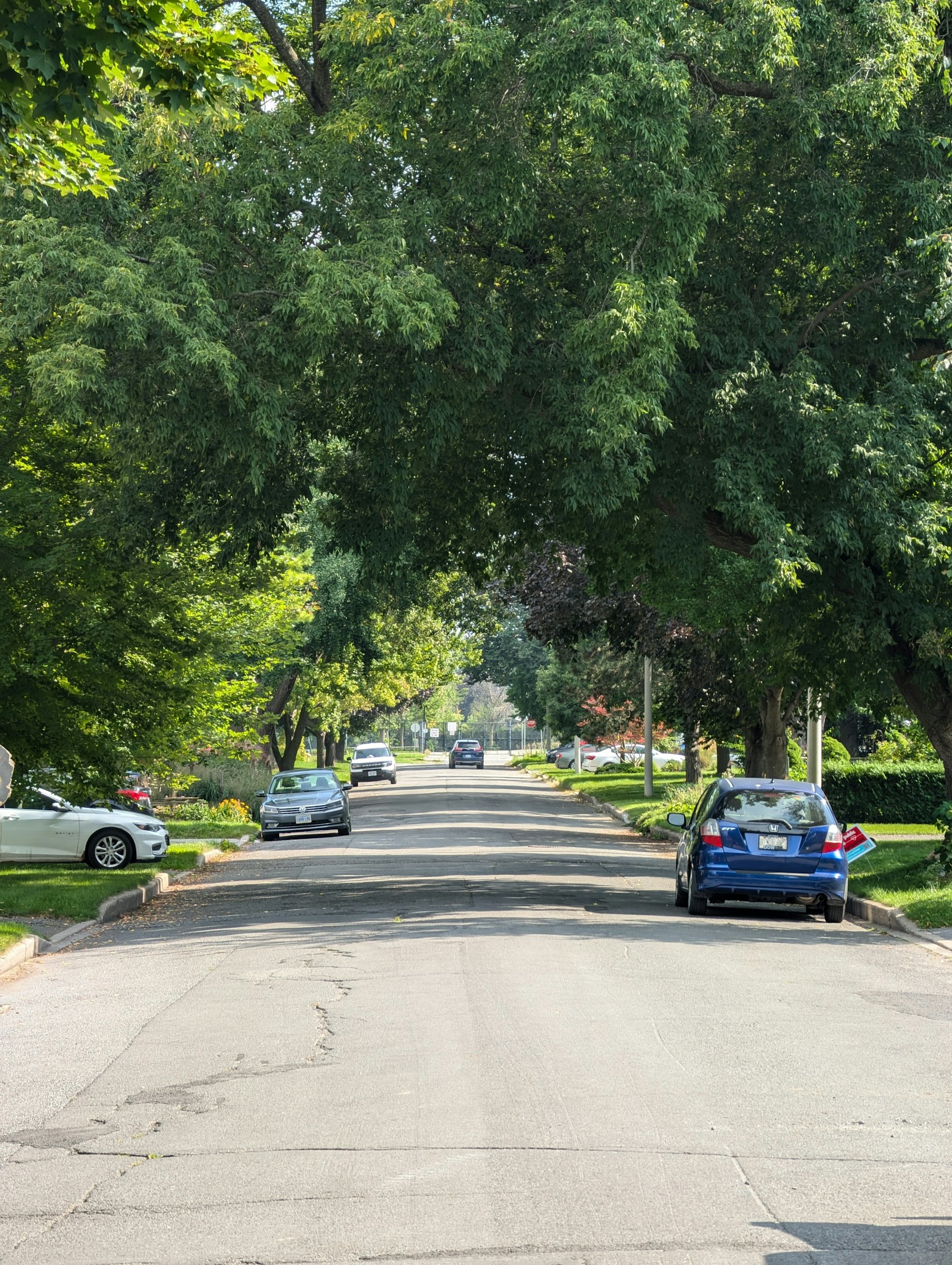
  • Clear pathways and swept porches

  • Freshly painted front door

  • Trimmed shrubs, mowed lawn, or shoveled walkway (seasonal)

  • No clutter, garbage bins, or visible wear

  • Updated house numbers, lighting, or a seasonal wreath

Budget-Friendly Curb Appeal Boosts:

  • Power wash the siding or steps

  • Add potted plants or new mulch

  • Install a new doormat or modern mailbox


🛋️ 3. Staging: Set the Scene for a Lifestyle, Not Just a Room

Staging helps buyers emotionally connect with your home by showing them how it can be lived in—not just what it is.

Key Areas to Stage:

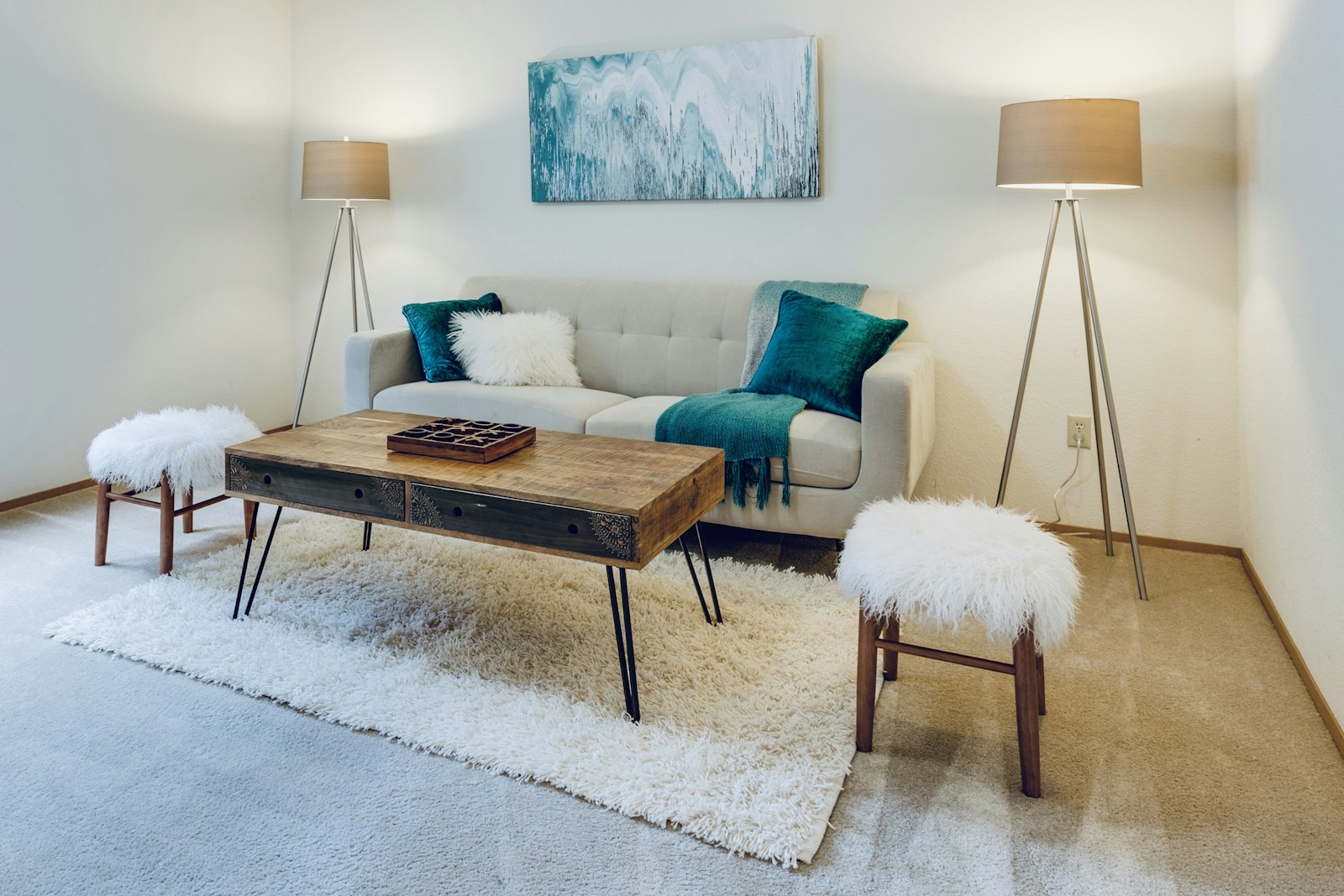
  • Living Room: Open, welcoming, with neutral colors and cozy textures

  • Kitchen: Clear counters, matching appliances, a small plant or bowl of fruit

  • Primary Bedroom: Calm, clean, minimal with hotel-style bedding

  • Bathrooms: Spotless, fresh towels, and no visible products

Simple Staging Wins:

  • Declutter aggressively—less really is more

  • Use neutral tones with pops of color

  • Define each space clearly (office, dining area, reading nook)

  • Add mirrors to reflect light and make rooms feel larger


🔍 4. What Buyers Really Notice First—Consciously or Not

FeatureWhy It Matters
LightingBright homes feel bigger and more welcoming
SmellFresh, clean scents are inviting; strong odors are a red flag
CleanlinessDirty homes imply poor maintenance
Flow of spaceOpen and functional layouts feel more valuable
NoiseQuiet spaces feel peaceful—especially near busy roads

✅ Final 5-Second Impression Checklist

AreaMust-Have
Front ExteriorClean, welcoming, freshly painted door
EntrywayUncluttered, bright, no shoes or bags
Photo GalleryHigh-resolution, staged, and well-lit
Listing DescriptionShort, feature-focused, and benefit-driven
Living AreaClean, inviting, and well-staged

Frequently Asked Questions

Q: Do I really need to hire a professional photographer?
Yes. Homes with pro photos get more views, better showings, and higher offers.

Q: Should I repaint my whole house?
Not necessarily. Touch-ups or repainting bold walls with neutral tones can make a big difference without the cost of a full redo.

Q: Can I stage my home myself?
Absolutely. Just keep it simple, clean, and functional. You don’t need designer furniture to make your home shine.

Q: What’s the biggest turnoff in listing photos?
Clutter. Messy countertops, crowded furniture, or personal items like laundry and toiletries.

Q: Should I list if my curb appeal isn’t perfect yet?
Ideally, no. A little work upfront can dramatically increase your showings and final sale price.


Conclusion – The Smallest Details Have the Biggest Impact

In Ottawa’s competitive 2025 market, your listing has one job: make buyers stop, click, and book a showing. By focusing on photography, staging, and curb appeal, you’ll give your home the best chance to shine—and sell quickly, and for top dollar. First impressions matter—make yours unforgettable.

Read

🏠 What to Expect at Your First Ottawa Open House in 2025

Introduction – First Time Walking Through? Don’t Stress.

Attending your first open house in Ottawa can be both exciting and overwhelming. You're walking into a stranger’s home with big decisions on your mind—Where would I put the couch? Is this the right neighborhood? Is something hiding behind that fresh coat of paint?

Whether you’re a first-time buyer or just new to the market, this guide walks you through exactly what to expect, what to look for, and the questions you should be asking in 2025.


What Is an Open House?

An open house is a scheduled time when a listed home is available for the public to tour—typically on weekends for 1 to 3 hours. There’s usually a real estate agent present to answer questions, offer brochures, and collect visitor information.

In Ottawa, open houses are still a key part of the buying process, especially for entry-level properties and family homes.


🔍 Before You Go: Prep Like a Pro

  • Dress comfortably: You'll be walking and maybe even going up and down stairs.

  • Bring a notebook or phone: Take notes and pictures (with permission).

  • Review the listing: Know the basics—price, square footage, taxes—before you arrive.

  • Have questions ready: Especially about age of systems, updates, or the seller’s timeline.


🚪 What Happens When You Arrive

  1. Sign In
    Most agents will ask you to sign in with your name, contact info, and whether you’re working with a REALTOR®.

  2. Take a Tour
    You're free to wander, look around, and open closets or cabinets. Just be respectful—it’s still someone’s home.

  3. Ask the Agent Questions
    Agents are there to provide insight, not pressure you. Ask freely, but be aware they represent the seller—not you.


👀 What to Look For (That Others Might Miss)

Layout & Flow

  • Do the rooms feel open and functional?

  • Is there enough space for your current and future needs?

Storage Space

  • Check closets, pantries, and laundry areas. Is it enough?

Natural Light

  • Note the direction of the windows and overall brightness.

Smells & Sounds

  • Musty or chemical smells can be red flags.

  • How noisy is the neighborhood or nearby traffic?

Signs of Wear or Neglect

  • Cracks in walls, uneven floors, water stains, or peeling paint may suggest bigger issues.

Windows & Doors

  • Do they open easily? Are they drafty or outdated?


💬 Questions to Ask at the Open House

  1. How long has the home been on the market?

  2. Have there been any price reductions?

  3. Are there any offers on the table?

  4. Why are the owners selling?

  5. When was the roof, furnace, or AC last replaced?

  6. Are there any known issues with the home?

  7. What are the average utility costs?

  8. What’s the neighborhood like—schools, noise, parking?


🧠 After the Open House: What to Do Next

  • Compare notes: What stood out? What felt off?

  • Talk to your REALTOR®: Get honest feedback and check for comps.

  • Book a private showing: If you’re interested, go back for a second look with fewer people around.

  • Don’t rush: Open houses are for browsing and learning. It’s okay to take your time.


Frequently Asked Questions

Q: Can I attend an open house without an agent?
Yes. You don’t need to bring a REALTOR® with you, but it’s helpful to let them know you’re going.

Q: Can I take photos during an open house?
Usually yes, but always ask the hosting agent first as a courtesy.

Q: Should I make an offer at the open house?
No need to rush. You can express interest but take time to think and consult your agent.

Q: Is it okay to open closets or look under sinks?
Yes—as long as you’re respectful. It’s expected that buyers will inspect storage spaces.

Q: What if I have questions after I leave?
Follow up through your own agent or contact the listing agent directly if you're not yet working with someone.


Conclusion – Be Curious, Not Overwhelmed

Open houses are a great, low-pressure way to explore your options in Ottawa’s real estate market. Come prepared, keep your eyes open, and don’t be afraid to ask smart questions. Whether you fall in love with a home on the spot or just learn more about what you like, attending open houses is a smart step on your buying journey.

Read

💼 Moving to Ottawa for Work? What You Need to Know Before You Buy

Introduction – A New Job, A New City

Whether you're relocating for a position in the federal government, tech sector, or a national organization, Ottawa offers a unique mix of professional opportunity and high-quality living. But before you buy a home, it's important to understand the city’s layout, market trends, and lifestyle options—especially if you're new to the area. This guide is designed to help working professionals make a smooth, informed transition.


Why Ottawa Is a Top Choice for Work-Driven Moves

Ottawa continues to attract skilled professionals from across the country and beyond. Here's why:

  • Home to Canada’s federal government – A magnet for policy, legal, administrative, and bilingual professionals.

  • A growing tech sector – With hubs in Kanata, Bayview, and beyond, Ottawa has evolved into a high-tech capital.

  • Multilingual workforce – Ideal for English, French, and bilingual professionals.

  • Excellent public services – Healthcare, transit, and education are well-developed and accessible.

  • Work-life balance – Compared to cities like Toronto or Vancouver, Ottawa offers shorter commutes and a more relaxed pace of life.


Ottawa Neighborhoods to Consider Based on Your Workplace

For Downtown or Government Jobs

  • Centretown: Walkable, lively, and near Parliament Hill and government buildings.

  • The Glebe & Old Ottawa South: Stylish older homes, tree-lined streets, and a 10–15 minute commute to the core.

  • Sandy Hill: Close to the University of Ottawa and Rideau Centre; great for younger professionals.

For Tech & Engineering Roles

  • Kanata North: Ottawa’s Silicon Valley. Tech workers love its proximity to employers, modern housing, and family-friendly feel.

  • Stittsville: Quieter and suburban, yet close to the tech hub—ideal for those seeking more space.

  • Westboro & Hintonburg: Trendy and creative with direct LRT access and a vibrant community vibe.

For Remote or Hybrid Workers

  • Alta Vista: Spacious homes with office space and a central location.

  • Orleans: Great value, good transit, and large properties perfect for home-based work setups.


What to Know About Ottawa’s Real Estate Market in 2025

  • Balanced Market Conditions: Prices have stabilized, with modest growth in family-oriented suburbs and high demand for entry-level homes and condos.

  • Condos & Townhomes in Demand: Especially for first-time buyers or those looking for low-maintenance living near work.

  • Commuting Times: Average is around 20–30 minutes, but proximity to LRT lines can significantly reduce travel time.


Buying Tips for Relocating Professionals

  1. Start with a Local Realtor
    A real estate agent who understands relocation and Ottawa’s unique zoning and neighborhood dynamics will save you time and money.

  2. Rent First If Unsure
    If your job is probationary or you’re unfamiliar with the area, consider renting for 6–12 months before buying.

  3. Check Transit Access
    Ottawa’s LRT is expanding. Living near a future or current line may add long-term value and cut your commute.

  4. Prioritize Work-Life Balance
    Choose a neighborhood that suits both your career and lifestyle—whether that’s walkability, green space, schools, or cafes.

  5. Review Employment Contracts
    Some positions come with relocation assistance, housing stipends, or time constraints—know your benefits.


Frequently Asked Questions

Q: Is Ottawa a good city for professionals?
Yes. It offers stability, a strong job market, bilingual opportunities, and a variety of industries.

Q: Should I buy right away or rent first?
It depends. If you know where you'll be long-term and the job is secure, buying can be a smart move. Otherwise, renting gives you flexibility.

Q: Are government workers given priority in housing?
No. But their stable income often makes mortgage approval easier.

Q: Is the real estate market competitive in 2025?
Less so than in previous years. Balanced inventory and pricing make this a favorable time for buyers.

Q: Can I get a mortgage before arriving?
Yes—especially if your employment is confirmed. Pre-approval is essential before home shopping.

Q: Are there taxes or fees I should know about?
Yes. Budget for land transfer tax, legal fees, and moving expenses. First-time buyers may qualify for rebates.


Conclusion – Set Yourself Up for Success

Relocating for work can be exciting—but buying a home in a new city requires careful planning. With Ottawa’s strong job market, diverse neighborhoods, and manageable cost of living, it’s a fantastic place to settle down. By aligning your home purchase with your professional goals and lifestyle needs, you’ll build a foundation for success both at work and at home.

Read

🎓 Living in Ottawa as a Student: Top Areas for uOttawa and Carleton Off-Campus Housing

Introduction – Finding the Right Place to Call Home While You Study

As a student at the University of Ottawa or Carleton University, finding the right place to live can shape your entire college experience. From walkability to affordability and safety, Ottawa offers a range of neighborhoods that suit every kind of student. Whether you're looking for a quiet study spot, a social hub, or something in between, this guide breaks down the best off-campus areas to consider in 2025.


Why Students Love Ottawa

Ottawa is not just Canada’s capital—it’s a student-friendly city known for:

  • Two major universities within city limits

  • Extensive public transit (OC Transpo and the LRT)

  • Safe, diverse, and walkable communities

  • A growing food, arts, and entertainment scene

  • Parks, bike trails, and the scenic Rideau Canal


🏫 Best Neighborhoods for uOttawa Students

1. Sandy Hill

Located right next to campus, Sandy Hill is one of the most popular off-campus areas for uOttawa students.

  • Distance to campus: Walking distance (5–10 minutes)

  • Housing types: Shared houses, student rentals, older low-rise apartments

  • Pros: Convenience, walkability, strong student vibe

  • Cons: Noise, limited parking, competition for space

2. ByWard Market / Lowertown

This vibrant area offers a mix of nightlife, restaurants, and cultural energy.

  • Distance to campus: 10–15 minutes by foot

  • Housing types: Condos, walk-ups, studio rentals

  • Pros: Entertainment, shopping, transit access

  • Cons: Higher rent, more distractions

3. Centretown

Slightly farther but well-connected, Centretown is great for those who want access to both school and the downtown core.

  • Distance to campus: 15–20 minutes by transit or bike

  • Housing types: Apartments, condos, shared houses

  • Pros: City feel, walkability, LRT access

  • Cons: Higher cost, less student-oriented


📚 Best Neighborhoods for Carleton University Students

1. Old Ottawa South

This charming neighborhood borders the Carleton campus and offers a relaxed, residential feel.

  • Distance to campus: Walking or biking (5–10 minutes)

  • Housing types: Detached homes with rental units, basement suites

  • Pros: Quiet, green spaces, near Lansdowne Park

  • Cons: Fewer budget rentals, family-oriented

2. Glebe

Trendy and vibrant, The Glebe is a top pick for students with a slightly bigger budget and appreciation for community life.

  • Distance to campus: 10–15 minutes by bike or transit

  • Housing types: Townhomes, rentals, shared houses

  • Pros: Cafés, events, transit, close to downtown

  • Cons: Competitive rental market

3. Heron Park / Alta Vista

Affordable and quiet, this area is a hidden gem for students with vehicles or those who want more space.

  • Distance to campus: 10–15 minutes by transit or bike

  • Housing types: Apartments, townhouses, basement units

  • Pros: Lower rent, quiet streets, close to Mooney’s Bay

  • Cons: Less walkable, fewer nightlife options


💡 Student Housing Tips for 2025

  • Start your search early: The best listings near campus go fast—start looking in March or April for fall leases.

  • Use student housing boards: uOttawa and Carleton both have housing portals and Facebook groups.

  • Understand lease terms: Some units require 12-month leases, even if you're away for the summer.

  • Consider transit routes: Proximity to the LRT or major bus routes makes life easier if you’re further from campus.

  • Inspect in person if possible: Pictures don’t always tell the full story. Tour before you sign.


Frequently Asked Questions

Q: Is it cheaper to live near Carleton or uOttawa?
Carleton students often find more affordable options in Old Ottawa South and Heron Park. uOttawa’s Sandy Hill tends to be more competitive and pricey.

Q: Is it safe to live off campus in Ottawa?
Yes. Ottawa is one of Canada’s safest cities, and most student-heavy neighborhoods have strong community support.

Q: Can I rent with roommates?
Absolutely—many students rent shared houses or split apartments to reduce costs.

Q: Are utilities included in student rentals?
Sometimes. Always clarify what’s included before signing your lease.

Q: Do landlords prefer students?
Many landlords near campuses specifically target students and offer leases aligned with the academic year.


Conclusion – Study Smart, Live Smart

Living off-campus in Ottawa gives you independence, flexibility, and the chance to truly experience city life. Whether you're at uOttawa or Carleton, there are great neighborhoods that offer safety, convenience, and community. Take the time to explore your options, know your budget, and find the space that supports your studies and your lifestyle.

Read

💼 How to Start Investing in Real Estate in Ottawa (Even with a Small Budget)

Introduction – Yes, You Can Start Small

Think you need hundreds of thousands to get into real estate investing? Think again. In Ottawa, it’s possible to begin building a property portfolio even with a modest budget. Whether you're a millennial, side hustler, or first-time investor, this 2025 guide shows how to start smart—without being rich.


Why Ottawa Is a Great City for New Investors

  • Stable market: Ottawa’s real estate values have seen consistent growth due to strong government employment and low vacancy rates.

  • High demand for rentals: Students, public servants, tech workers, and newcomers keep the rental market active year-round.

  • Emerging neighborhoods: Areas like Carlington, Overbrook, and Vanier are gaining traction and offer lower entry points.


🏡 Real Estate Investment Options for Small Budgets

1. Condo Investing

  • Lower purchase prices and fewer maintenance headaches.

  • Ideal entry-level investment for new landlords.

  • Focus on buildings with low condo fees and high rental appeal (e.g., near LRT or universities).

2. House Hacking

  • Buy a property and rent out a portion (like a basement apartment or extra bedroom).

  • Reduces your personal housing costs while building equity.

  • Works well with duplexes, triplexes, or even townhomes with in-law suites.

3. Pre-Construction Purchases

  • Pay in stages over 1–3 years while the home is being built.

  • Lower upfront costs, and the potential for appreciation before occupancy.

  • Best for long-term planners with stable income and good credit.

4. Partner with a Friend or Family Member

  • Teaming up splits costs, down payments, and responsibilities.

  • Use joint venture agreements to clearly define roles, profits, and timelines.


How Much Money Do You Really Need to Start?

Let’s break it down:

ScenarioMinimum Needed (Estimate)
5% down payment (first-time buyer)$20,000–$30,000 for entry-level condo
20% down payment (investment property)$60,000+ for duplex or townhome
Pre-construction deposit plan$10,000–$20,000 in staged payments

Other startup costs include legal fees, inspection, closing costs, and emergency reserves. But even modest savings and good credit can get you started.


💡 Tips to Maximize Small Investments

  • Start with what you can afford—don’t wait for the “perfect” property.

  • Use the First-Time Home Buyer incentives if you qualify.

  • Leverage your RRSP with the Home Buyers’ Plan for down payments.

  • Focus on cash flow-positive properties—don’t just rely on appreciation.

  • Be location-smart: Target up-and-coming neighborhoods with rental demand and transit access.


Mistakes to Avoid as a Beginner Investor

  • Over-leveraging or buying too big too fast

  • Ignoring property taxes, vacancy risk, or ongoing maintenance

  • Forgetting to screen tenants or follow Ontario rental laws

  • Skipping professional advice—hire a real estate agent and mortgage broker who work with investors


Frequently Asked Questions

Q: Can I buy an investment property with 5% down?
Only if you plan to live in it (owner-occupied). True rental properties typically require 20% down.

Q: What if I have student debt?
You can still qualify for a mortgage—your income, debt ratio, and credit score will determine your eligibility.

Q: How can I improve cash flow?
Choose the right property type, negotiate good terms, and consider short-term or furnished rentals if allowed.

Q: Should I buy alone or with a partner?
If your budget is limited, joint ownership can help—but always create a written agreement to avoid future conflict.

Q: What’s the best neighborhood for beginners?
Look at affordable areas with strong rental demand, such as South Keys, Overbrook, Carlington, or near Algonquin College.


Conclusion – Small Budget, Big Potential

You don’t need deep pockets to start investing in Ottawa real estate. With the right strategy, a small budget can lead to long-term wealth, financial flexibility, and a foot in the door of one of Canada’s most stable markets. Start where you are, plan smart, and grow from there—your first property could be the beginning of something big.

Read

💰 How to Price Your Home Right in Ottawa’s Changing Market

Introduction – Getting the Price Right from Day One

Selling your home in Ottawa in 2025 means navigating a market that’s no longer red-hot—but still competitive. Price too high and your listing could sit for months. Price too low, and you leave money on the table. In a market where buyer demand is stabilizing and supply is rising, correct pricing isn’t just important—it’s essential. Here’s how to do it right.


Why Accurate Pricing Matters More in 2025

  • Buyers are price-savvy: With more homes to choose from, buyers won’t overpay

  • Online searches filter by price: Your home must hit the right range to even show up in a buyer's feed

  • Overpricing can hurt your final sale: Homes that sit too long often sell below market

  • Underpricing creates doubt: Buyers may wonder what's wrong with the home


📊 Factors That Affect Home Pricing in Ottawa

1. Location

Ottawa’s market varies significantly by neighborhood:

  • Central areas like Westboro or the Glebe command higher prices

  • Suburbs like Barrhaven or Orleans offer more value per square foot

  • Proximity to transit (like LRT stations) can increase value

2. Property Type and Size

  • Detached homes often sell for more than semis or townhomes

  • Condos require careful comparison to similar units in the same building

  • Bungalows and single-level homes may appeal more to downsizers, raising their value in some areas

3. Market Conditions

  • Ottawa in 2025 is showing signs of balance—not the frenzied bidding wars of past years

  • Expect more realistic buyer offers and longer average days on market

  • Interest rates, economic forecasts, and inventory levels will all influence buyer behavior


Tips to Avoid Overpricing

  1. Don’t price based on what your neighbor sold for two years ago
    Markets shift—your home’s value must reflect today’s conditions.

  2. Avoid emotional pricing
    Sentimental value doesn’t translate to buyer value. Think like an appraiser.

  3. Get a professional CMA (Comparative Market Analysis)
    Your real estate agent can pull recent solds, active listings, and expired listings to find the right range.

  4. Watch your listing tier
    A price of $699,900 hits more buyer searches than $705,000. Price brackets matter online.

  5. Test the market realistically
    If there's little interest in the first 10 days, it’s often price—not marketing—that needs adjusting.


Tips to Avoid Underpricing

  1. Know your upgrades and features
    Finished basements, updated kitchens, new windows, and landscaped yards add real value.

  2. Don’t blindly follow the lowest comparables
    Pricing based on outdated or distressed sales can hurt your return.

  3. Factor in low inventory
    If you’re in a high-demand neighborhood with little competition, you can price more assertively.

  4. Use round-number psychology to your advantage
    Strategic pricing (like $499,900) can create a sense of urgency and perceived value.


How to Adjust Your Price if Needed

  • No showings after 10 days? Likely overpriced

  • High traffic but no offers? Price might be slightly off or presentation needs work

  • Feedback suggests better homes nearby? Time for a reduction

  • Multiple low offers? Revisit your pricing strategy with your agent


Frequently Asked Questions

Q: How long should I wait before adjusting the price?
If you haven’t had serious interest or offers in 2–3 weeks, it's time to re-evaluate.

Q: Will pricing low lead to a bidding war?
In some cases, yes—but only if demand and inventory conditions support it. In 2025, this tactic is less predictable than in past hot markets.

Q: Should I price high to leave room to negotiate?
Not usually. Most buyers won’t bother with overpriced homes. You may end up chasing the market down.

Q: What if my home is unique?
Work with a REALTOR® experienced in pricing niche or custom properties. These often require a more tailored approach.

Q: Can I rely on online estimators?
Use them only as a rough guide. They don’t factor in condition, location specifics, or recent comparable sales.


Conclusion – Price Smart, Sell Strong

In Ottawa’s evolving 2025 real estate market, smart pricing is your biggest advantage. By using data, working with an experienced agent, and staying objective, you’ll attract serious buyers faster and get closer to your ideal price. Avoid guesswork, ignore emotion, and trust the numbers—pricing it right from the start is the best way to sell with confidence.


Read

🛋️ How to Stage Your Home for Maximum Value in the Ottawa Market

Introduction – First Impressions Sell Homes

In Ottawa’s balanced 2025 real estate market, buyers are no longer rushing into offers. That means staging your home is more important than ever. Proper staging can help your listing stand out, create emotional appeal, and increase your final sale price. The good news? You don’t need a huge budget to do it right. This guide covers practical, cost-effective staging tips rooted in buyer psychology.


Why Staging Works in Ottawa’s 2025 Market

  • Buyers have more choice: A well-staged home creates a memorable first impression.

  • Homes that feel “move-in ready” sell faster: Most buyers don’t want to imagine potential—they want to see it.

  • Staged homes sell for more: On average, staged homes sell quicker and for 5–10% more than their unstaged counterparts.


🧠 Understanding Buyer Psychology

Before diving into tips, let’s look at what buyers are really thinking:

  • They picture themselves living there: Staging helps them imagine the lifestyle, not just the floorplan.

  • They seek emotional connection: Homes that feel cozy, light-filled, and organized trigger excitement.

  • They look for “value signals”: Clean, updated, and well-maintained homes suggest the property was cared for.


Top 10 Cost-Effective Staging Tips

1. Declutter Ruthlessly

Remove personal items, excessive furniture, and anything that distracts from the room's purpose. Less is more.

2. Deep Clean Everything

Clean baseboards, appliances, grout, and windows. A sparkling clean home gives buyers confidence in its maintenance.

3. Neutralize the Space

Use light, neutral colors for walls and bedding. This creates a blank canvas that appeals to the widest audience.

4. Maximize Light

Open blinds, replace heavy curtains, and use daylight bulbs. Bright rooms feel larger and more inviting.

5. Define Every Space

Turn empty corners into reading nooks, or stage a home office in a spare room. Show how every square foot can be used.

6. Add Fresh Touches

Plants, bowls of fruit, neutral artwork, and cozy throw blankets create warmth without clutter.

7. Upgrade Hardware and Fixtures

Replace outdated handles, faucets, or light fixtures with modern, inexpensive options. It makes a big impact.

8. Pay Attention to Entryways

Curb appeal starts before the front door. Power wash the walkway, paint the front door, and add a potted plant.

9. Focus on Kitchens and Bathrooms

Clear countertops, add a few elegant accessories, and hang fresh towels. These are the rooms that make or break sales.

10. Stage Outdoor Areas

In Ottawa, even a small balcony or backyard adds value. Add simple seating, clean up, and show it as a usable space.


Rooms That Matter Most

  • Living Room: Create a conversation-friendly layout with ample light and clean lines.

  • Primary Bedroom: Aim for calm, cozy, and uncluttered—think hotel chic.

  • Kitchen: Make it look clean, functional, and ready to entertain.

  • Bathrooms: Simple upgrades like new towels, soap dispensers, and a fresh shower curtain go a long way.


Staging for Ottawa’s Seasons

  • Spring/Summer: Use fresh flowers, open windows, and patio setups.

  • Fall: Add cozy textures, warm lighting, and neutral autumn accents.

  • Winter: Use soft throws, clean walkways, and extra indoor lighting to combat darker days.


Frequently Asked Questions

Q: Should I stage a vacant home?
Yes—furnished homes feel larger and warmer than empty ones. Even minimal staging can dramatically improve presentation.

Q: Is professional staging worth it?
It can be, especially for high-end properties. But many sellers can do a lot on their own with guidance and a few purchases.

Q: Do I need to repaint everything?
Not always. Touch-ups and neutralizing bold accent walls can be enough.

Q: Can staging really raise my sale price?
Yes. Even small staging efforts have been shown to improve perceived value and reduce time on market.

Q: Should I remove all personal photos?
Yes—buyers should picture themselves in the space, not your family’s history.


Conclusion – Small Changes, Big Impact

Staging isn’t about deception—it’s about presentation. In 2025, Ottawa buyers are looking for homes that feel clean, calm, and move-in ready. By staging smartly and affordably, you can highlight your home’s best features and position it to sell faster and for top dollar. Remember: buyers decide within seconds—make those seconds count.

Read

Just Listed: Ottawa

Just Listed: 406 333 Chapel Street in Ottawa. See details here

Welcome to 333 Chapel Street, ideally situated in the sought-after Sandy Hill neighbourhood! This bright and beautifully updated 2-bedroom, 1.5 bathroom condo is perfect for anyone looking to enjoy the best of urban living. Step inside to discover a thoughtfully renovated interior featuring quality laminate flooring, a modern kitchen with quartz countertops, stainless steel appliances, and upgraded bathrooms. The unit is oriented toward the back of the building, facing South East, offering a pleasant and quiet outlook. Enjoy a well-managed building with an impressive list of amenities: indoor pool, sauna, fitness centre, party room, guest suites, outdoor BBQ and seating area, car wash station, visitor parking, and more. Live steps from the University of Ottawa, Strathcona Park, the ByWard Market, Rideau Centre, Grocery like Loblaws/Metro, the LRT bus stations, shops, cafes, restaurants, and beautiful walking/biking paths. Easy access to major highways makes commuting a breeze. **All-Inclusive condo fees include all utilities (heat, air conditioning, water and electricity)** (id:2493)

Read

📅 When Is the Best Time to Sell Your Home in Ottawa?

Introduction – Timing Is Everything

In real estate, timing can impact everything from how quickly your home sells to how much you get for it. But when is the best time to sell your home in Ottawa? The short answer: it depends. The long answer? It depends on the season, your price range, and the type of property you’re selling. This 2025 guide breaks down the trends and data to help you sell smart—at the right time for the right price.


Why Timing Matters in the Ottawa Market

  • More buyers = more competition = better offers

  • Low inventory seasons can work in your favor—if you stand out

  • Certain property types shine during specific months

  • Seasonality affects how long your home stays on the market


🏠 Best Times to Sell by Season

Spring (March to May)

Ottawa’s peak season.

  • Why it works: Buyers come out as snow melts, families want to move before the new school year, and properties show well with better weather.

  • Ideal for: Detached homes, family-sized properties, and homes with outdoor appeal.

  • Pros: High demand, strong prices, fast sales.

  • Cons: More competition from other sellers.

Summer (June to August)

Still strong, but slightly slower.

  • Why it works: Many buyers are still active, but summer vacations slow some activity.

  • Ideal for: Condos, investment properties, and downsizing homes.

  • Pros: Motivated buyers, flexible closing dates.

  • Cons: Families may already have bought in spring.

Fall (September to November)

The market picks up again.

  • Why it works: Buyers who didn’t buy in spring/summer are still active, and new listings stand out.

  • Ideal for: Townhomes, bungalows, and centrally located homes.

  • Pros: Less competition, serious buyers.

  • Cons: Shorter daylight hours reduce showing appeal.

Winter (December to February)

Slowest season—but with hidden opportunity.

  • Why it works: Lower inventory can mean less competition.

  • Ideal for: Condos, vacant properties, or sellers who must move quickly.

  • Pros: Serious buyers, less market noise.

  • Cons: Longer days on market, homes may not show as well in snow.


💲 Best Time to Sell by Price Range

Price RangeBest Selling SeasonWhy
Under $500KSpring & FallFirst-time buyers are most active and rates often drive urgency.
$500K–$850KSpringCore family-buying demographic peaks here.
$850K+Fall or Early SpringHigher-end buyers take more time; fewer listings stand out.

🏘️ Best Time to Sell by Property Type

Property TypePeak Selling SeasonSelling Tip
Detached HomeSpringHighlight outdoor spaces and recent upgrades
TownhomeSpring & FallEmphasize value and proximity to amenities
CondoSummer & WinterShowcase low maintenance, transit access, and lifestyle
Bungalow / One-LevelFallAppeal to downsizers and retirees prepping to move

Other Timing Factors to Consider

  • Mortgage Rates: Rising rates can reduce buyer budgets—timing your sale before a hike can attract more qualified buyers.

  • Inventory Levels: Fewer listings mean less competition. Ask your REALTOR® for real-time data on your neighborhood.

  • Life Events: Sometimes the best time isn’t seasonal—it’s when your family, job, or finances are ready.


Frequently Asked Questions

Q: Is spring always the best time to sell?
Statistically, yes—but if your home is well-staged and priced right, it can sell well in any season.

Q: Should I sell in winter if I’m relocating?
Yes. Serious buyers are still out there, and with fewer listings, your home may stand out more.

Q: Will I get more money if I wait for spring?
Not always. Markets can shift quickly. Pricing right is often more important than waiting.

Q: How long does it take to sell in each season?
Average days on market in Ottawa:

  • Spring: 15–25 days

  • Summer: 20–30 days

  • Fall: 25–35 days

  • Winter: 35–45 days

Q: Should I list before or after the holidays?
Mid-January is often better than late December—buyers start looking again right after New Year’s.


Conclusion – The Right Time Is When You’re Ready and Strategic

Selling your home in Ottawa is about aligning your goals with market timing. While spring is the strongest season overall, the “best” time also depends on your price, your home’s features, and your personal timeline. With the right preparation and expert advice, you can sell successfully in any season—especially if you know how to stand out.

Read

🔍 The Top Features Ottawa Buyers Are Looking for in 2025

Introduction – Know What Today’s Buyers Want

If you’re thinking about selling your home in Ottawa in 2025, knowing what buyers want can give you a serious edge. In a balanced market where options are plentiful, your home needs to match buyer expectations—not just on price, but on features, layout, and lifestyle appeal. Whether you're updating before listing or simply wondering what adds the most value, this guide breaks down the most in-demand features Ottawa buyers are searching for right now.


Why Buyer Preferences Matter More Than Ever

  • Buyers are cautious: With interest rates still a factor, buyers are looking for move-in ready homes with minimal upgrade needs.

  • Lifestyle has shifted: Post-pandemic priorities like space, comfort, and functionality are here to stay.

  • Competition is back: With more homes on the market, yours needs to stand out with the right features—not just good staging.


🏡 Top Features Ottawa Buyers Are Looking for in 2025

1. Home Office or Flex Room

  • Buyers value work-from-home space more than ever.

  • A spare bedroom, den, or finished basement that can serve as a quiet, functional office is a major bonus.

  • Highlight it in listing photos and stage it as a productive area.

2. Energy Efficiency

  • Energy Star-rated windows, upgraded insulation, smart thermostats, and efficient appliances are key selling points.

  • Buyers are paying closer attention to monthly costs and long-term sustainability.

3. Updated Kitchens and Bathrooms

  • These two rooms still top the list for ROI and appeal.

  • You don’t need a full reno—a refreshed backsplash, painted cabinets, or new fixtures can go a long way.

  • Quartz countertops and neutral finishes are preferred.

4. Outdoor Living Spaces

  • Decks, patios, balconies, or landscaped yards are in high demand.

  • Add simple seating, a firepit area, or string lights to showcase outdoor usability—even in smaller spaces.

5. Finished Basements

  • A finished basement adds livable square footage and offers space for recreation, guests, or in-laws.

  • Separate basement entrances or in-law suite potential are especially appealing to multi-generational buyers.

6. Open-Concept Layouts with Defined Zones

  • Buyers still love open layouts, but now with clearer space separation.

  • Create visual boundaries using furniture or rugs to show how each area serves a distinct purpose.

7. Smart Home Technology

  • Features like video doorbells, smart lighting, security systems, and app-controlled thermostats are increasingly expected.

  • Make sure these features are working and included in the listing details.

8. Storage and Functionality

  • Walk-in closets, organized pantries, mudrooms, and ample kitchen storage all stand out.

  • Buyers appreciate clever use of space—especially in smaller homes or townhouses.

9. Turnkey Condition

  • In today’s market, buyers want move-in-ready homes.

  • Clean, well-maintained properties with neutral palettes, updated lighting, and modern touches tend to sell faster.

10. Proximity to Transit, Parks, and Schools

  • Walkability and location still matter—especially for families and eco-conscious buyers.

  • Highlight LRT access, bike paths, and neighborhood amenities clearly in your listing.


🎯 How Sellers Can Align Their Home with These Features

  • Make small updates where it counts: You don’t need a full renovation to impress buyers.

  • Stage rooms for how buyers will use them: A home gym, office, or kid’s space can paint the right picture.

  • Use your listing description wisely: Mention energy efficiency, smart tech, or nearby parks.

  • Invest in curb appeal: Your home’s first impression still matters as much as what’s inside.

  • Highlight “bonus” spaces: Finished basements, sunrooms, and lofts should be positioned as lifestyle-enhancers.


Frequently Asked Questions

Q: Do I need to fully renovate my kitchen to sell?
Not necessarily. Even small updates—like painting cabinets or changing hardware—can modernize the look affordably.

Q: What’s the cheapest way to make my home more appealing?
Declutter, deep clean, paint in neutral tones, and stage with what you have. Lighting and scent also play a big role.

Q: Should I add smart home devices before selling?
Yes, if you can do so affordably. Smart thermostats and video doorbells are low-cost upgrades with high appeal.

Q: Do buyers really care about energy efficiency?
Yes—especially in 2025. Rising utility costs mean energy-conscious homes are seen as smarter investments.

Q: Is staging a home office a must?
If you have the space, yes. Even a corner staged as a desk area helps buyers visualize their daily routine.


Conclusion – Sell Smarter by Selling What Buyers Want

The Ottawa market in 2025 is full of opportunity—but only if your home meets modern buyer expectations. Focus on the features that matter most: function, comfort, and efficiency. You don’t need to spend a fortune—just align your space with today’s lifestyle needs, and you’ll attract better offers, faster.

Read

🏢 Is Ottawa Still a Smart Market for Condo Investors?

Introduction – A Market in Transition

Ottawa has long been considered a safe and steady place to invest in real estate, but with rising interest rates, evolving buyer behavior, and increased construction, many investors are asking: is Ottawa still a smart market for condo investment in 2025?

The answer? Yes—but strategy matters more than ever. Whether you're considering a downtown high-rise, a west-end unit, or a pre-construction opportunity, understanding today’s numbers is key. Let’s break it down.


📈 Why Consider Condos in Ottawa?

  • Consistent rental demand from government workers, students, and newcomers

  • Lower entry price compared to single-family homes

  • Minimal maintenance, especially appealing for hands-off investors

  • Growing population means steady long-term appreciation potential

  • LRT expansion increases appeal of condo-connected neighborhoods


🏙️ Downtown Ottawa Condos: Central, Rentable, Competitive

What to Know

  • Prime locations near Parliament Hill, Rideau Centre, and uOttawa

  • Strong demand from professionals, international students, and young renters

  • High walkability and public transit access

Pros

  • Highest rental demand in the city

  • Strong appreciation over time

  • Short-term rental potential (if permitted)

Cons

  • Higher purchase price per square foot

  • More competition from other investors and new buildings

  • Stricter condo rules and potential for higher fees

Typical ROI

  • Gross rental yields: 4–5%

  • Strongest cash flow in smaller studio and one-bedroom units


🌇 West-End Condos (Westboro, Hintonburg, Kanata): Lifestyle + Growth

What to Know

  • Attracts professionals, downsizers, and tech workers

  • LRT access improves commute times and value

  • Westboro and Hintonburg have trendy appeal; Kanata is tech-focused and suburban

Pros

  • Lower price points than downtown

  • High tenant quality in tech-friendly hubs

  • Upside in developing neighborhoods with future infrastructure

Cons

  • Slightly slower turnover or appreciation than core

  • Some buildings have fewer amenities or older construction

Typical ROI

  • Gross rental yields: 4.5–6%

  • Strong value in two-bedroom and family-oriented units


🏗️ Pre-Construction Condos: Buy Now, Benefit Later

What to Know

  • Pay in stages during the build phase, no mortgage needed until occupancy

  • Typically lower price per square foot at launch

  • Often located in growing transit corridors or revitalized areas

Pros

  • Locked-in price with years of appreciation before closing

  • Brand new product attracts high-end tenants

  • Great for long-term investors and equity growth

Cons

  • No cash flow until project completion (often 2–4 years out)

  • Uncertainty around delays, developer changes, or final finishes

  • HST considerations and potential assignment fees

Typical ROI

  • Long-term equity growth: high

  • Immediate cash flow: zero (until building is registered and tenanted)


🧠 Key Tips for Condo Investors in 2025

  • Run the numbers carefully: Know your cap rate, monthly fees, and realistic rent expectations.

  • Factor in condo fees: Choose buildings with strong reserve funds and responsible management.

  • Avoid overbuilt areas: Research absorption rates and future construction nearby.

  • Choose tenant-attracting locations: Near LRT, schools, hospitals, or employment hubs.

  • Think long-term: Appreciation and low turnover drive wealth more than fast flips in this market.


💼 Who Should Still Invest in Ottawa Condos?

  • First-time investors looking for lower-risk entry

  • Busy professionals who want a hands-off income stream

  • Parents of university students planning for long-term use

  • Long-term wealth builders seeking steady appreciation over 5–10 years


Frequently Asked Questions

Q: Are condos still appreciating in Ottawa?
Yes, but at a steadier pace. In 2025, expect 2–4% annual gains depending on location and building type.

Q: Can I cash flow a condo in 2025?
Yes, but only if you buy wisely—look for lower fees, higher rents, and newer or well-maintained buildings.

Q: Is pre-construction worth the wait?
It can be—for investors focused on long-term growth and who don’t need immediate rental income.

Q: Should I worry about oversupply?
Some neighborhoods are seeing more units, but high immigration and rental demand keep supply balanced for now.

Q: What about short-term rentals?
Some buildings and zones allow them, others don’t. Always check the condo bylaws and municipal rules.


Conclusion – Still Smart, If You’re Strategic

Ottawa remains one of Canada’s most stable condo markets for investors, but success in 2025 depends on doing your homework. Whether you buy downtown, in the west end, or pre-construction, the right location, unit type, and financial plan make all the difference. If you're clear on your goals and run the numbers, Ottawa can still be a smart and rewarding place to invest.

Read

🌍 The Best Ottawa Suburbs for New Canadians in 2025

Introduction – Starting Fresh in the Nation’s Capital

Moving to a new country can be overwhelming, but settling in the right community makes a world of difference. Ottawa—Canada’s capital—is one of the most welcoming and diverse cities in the country. With great schools, strong job opportunities, and vibrant multicultural neighborhoods, it’s no surprise that many newcomers choose to make it home. This guide highlights the best Ottawa suburbs for new Canadians in 2025.


What Makes a Great Suburb for Newcomers?

When choosing where to live, most new Canadians look for:

  • Affordable housing

  • Access to public transit

  • Strong schools and childcare

  • Multilingual services and support

  • Cultural and faith-based communities

  • Employment opportunities nearby

Fortunately, Ottawa offers several suburbs that check all these boxes.


1. Orleans – Family-Friendly and Diverse

Orleans, located in the city’s east end, is one of Ottawa’s most popular suburbs for newcomers.

Why it’s great for new Canadians:

  • Plenty of French and English school options

  • A mix of detached homes and affordable townhouses

  • Access to multicultural churches, mosques, and temples

  • Active community centres and newcomer programs

  • Direct bus and LRT access to downtown


2. Barrhaven – A Growing Suburb with Community Spirit

Barrhaven is one of Ottawa’s fastest-growing suburbs, especially popular with families from a wide range of cultural backgrounds.

Highlights:

  • Affordable newer homes and rental options

  • Close-knit communities with parks and recreation centres

  • Numerous places of worship and cultural associations

  • Schools offering ESL support and French immersion

  • Good transit connections and future LRT expansion


3. Kanata – Tech Hub with a Global Outlook

Kanata, west of downtown Ottawa, is known as the city’s tech and innovation district. It attracts skilled newcomers from around the world.

Perks for new Canadians:

  • Job opportunities in tech, engineering, and IT

  • New developments and diverse neighborhoods

  • Access to excellent schools and public libraries

  • Growing number of cultural food markets and international restaurants

  • Major employers located nearby, reducing commute times


4. Alta Vista – Central and Established

Alta Vista is a well-established neighborhood that offers a balance of city access and suburban calm. It’s home to many embassies, diplomats, and long-time Ottawa families.

What makes it ideal:

  • Wide variety of housing styles, including bungalows and apartments

  • Excellent access to healthcare, schools, and transit

  • Close to downtown and the General Hospital campus

  • Welcoming community organizations and multicultural events


5. South Keys/Greenboro – Transit-Oriented and Diverse

This south Ottawa community offers great affordability and is served by the O-Train and major bus lines, making it ideal for newcomers without a car.

Reasons to consider it:

  • Strong mix of condos, rentals, and townhomes

  • Ethnically diverse population with active community groups

  • Walkable access to shopping, services, and schools

  • Multiple language support in nearby institutions

  • Quick access to downtown, universities, and airport


6. Riverside South – Peaceful, New, and Expanding

A newer suburb south of the airport, Riverside South is appealing to families seeking quiet streets and brand-new homes.

Best features:

  • Family-friendly subdivisions and modern layouts

  • New schools, parks, and shopping developments

  • Close to places of worship and newcomer services

  • Well-planned infrastructure with future transit upgrades


Tips for New Canadians Choosing a Suburb

  • Visit different areas at different times of day before deciding

  • Look into nearby ESL programs, settlement services, and employment centres

  • Consider access to cultural grocery stores and public transit

  • Ask about newcomer support at local schools and libraries

  • Work with a real estate agent who understands immigration and settlement needs


Frequently Asked Questions

Q: Is Ottawa a good city for immigrants?
Yes. Ottawa is one of Canada’s most diverse cities, with supportive services and inclusive neighborhoods.

Q: Are there settlement services in the suburbs?
Yes. Many community centres and libraries offer newcomer help, language support, and job services in the suburbs.

Q: Which suburb has the most diversity?
Barrhaven and South Keys are among the most ethnically diverse. Kanata and Orleans are also rapidly growing in diversity.

Q: Is it expensive to live in these suburbs?
Compared to other major cities in Canada, Ottawa suburbs offer more affordable housing with a high quality of life.

Q: Will my children have access to good schools?
Yes. Ottawa has strong public and Catholic school systems, many with ESL and French immersion support.

Q: How do I get around if I don’t drive?
Suburbs like Greenboro and South Keys offer good public transit. The LRT is expanding to better connect all areas of the city.


Conclusion – A Fresh Start in the Right Community

Choosing the right suburb is one of the most important steps for a new Canadian settling in Ottawa. Whether you're looking for affordability, community support, strong schools, or public transit, there’s a neighborhood here for you. Ottawa’s suburbs aren’t just places to live—they’re places to build a future.

Read
Categories:   $400k | $500k | $50k Savings | $600k | $700k | $800k | 105 Champagne Ave | 2026 | Activities | Advice | Affordable | AirBnB | Ajax | Algonquin College | All Four Seasons | All you can eat | Alta Vista | Another Province | Apartment | Arnprior | Arnprior Real Estate | August | Autumn | Available Programs | AYCE | Bakery | Bank of Canada Rate Announcement | Barrhaven | Barrhaven Downtown, Barrhaven - Strandherd Real Estate | Barrhaven East | Barrhaven West | Bayshore | Beacon Hill South | Beechwood Village | Beers | Best | Best Beer | Best Biking Paths | Best Cities To Live | Best Coffee Shops in Ottawa | Best IndianDesi Food | Best Local | Best Neighbourhoods | Best Patio | Best Schools | Best Study Spots | Best Taco Spots | Best Travel Destinations 2026 | Best Walking Paths | Bidding Wars | Bilingual | Boom City | Booming | Boring | Boundary Expansion | Brampton | Britannia Village | BRRRR Strategy | Bucket List | Budget | Budgeting | Build-to-Rent | Building | Bungalow | Burlington | Busing | Buyers Market | Buying | Byward Market | Byward Market, Lower Town Real Estate | Byward Market/Lower Town, Sandy Hill Real Estate | Cafe | Calgary | Canada Day | Cap Rates | Car-Free | Caribbean Food | Carleton Place | Carleton University | Carlington | Carlsbad Springs | Carp | Central 1 | Centretown | Centretown West | Centretown, Ottawa Centre Real Estate | CFB Rockcliffe and Area, Manor Park - Cardinal Glen and A Real Estate | CFB Rockcliffe and Area, Manor Park - Cardinal Glen Real Estate | Changing | Chapel Hill | Cheapest Places | Checklist | CHEO | Childcare | Chinatown | Christmas | Civc Hospital | Civic Hospital | Clients | Climate Goals | Closing Costs | Coffee Shop | Communities | Commuting | Compared | Condo Fees | Condos | Convent Glen and Area, Orleans Real Estate | Cost of Living | Cottage | Country | Credit Score | Date Night | Day in the Life | Decoration | Detached Home | Divorce | Dog Friendly | Dow's Lake | Dow's Lake/Little Italy, Dow's Lake/Little Italy Real Estate | Dow's Lake/Little Italy, West Centre Town Real Estate | Dow's Lake/Little Italy/Civic Hospital and Area, West Centre Town Real Estate | Down Payment | Downsizing | Downtown | Dows Lake - Civic Hospital and Area (4502 - West Centre Town) Real Estate | Dows Lake/Little Italy, West Centre Town Real Estate | Drake | Driving | Duplex | East End | Eco-Friendly | Embrun | Expenses | Expensive | Fall | Family | Family Friendly | Farmer's Market | Fastest Growing Neighbourhoods | Ferrari | Final Walkthrough | Finance | Findlay Creek | Findlay Creek, Leitrim Real Estate | First Apartment | First-Time Buyer | Fitness Studio | Fixer-Upper | Flipping Homes | Food | For Sale | Foreclosure | Freehold | French-Friendly | Friends | Fun | Future | Gatineau | Glebe | Gloucester Glen | Golden Triangle | Good | Gotham | Government Worker | Greely | Growing | GTHA | Guide | Gym | Half Moon Bay | Half Moon Bay - Strandherd, Barrhaven Real Estate | Hamilton | Happy Hour | Heat | Heat Pump | Hidden Gems | Hiking Trails | Hintonburg | Hiring a real estate agent | Historic | History Ottawa | Holiday Spirit | Holidays | Home Business | Home Inspection | Home Office | Home Staging | Homes | Homes on the Canal | Housing Correction | How Much Income Is Needed? | How much is my Ottawa Home Worth? | How To Get Around The City | How to Stay Cool | HST Rebate | Hunt Club | Hurdman | Immigrants | Immigration | In-Person Showings | Income Needed | Infrastructure | Instagram | Interest Rates | International Student | Investing | Investment Property | Kanata | KBBQ | Kemptville | Korean BBQ | Land Transfer Tax (LTT) | Land Values | Landlords | Lawyer | Layout | Leads | Lease | Lebreton Flats | Legal Checklist | Life in Ottawa | Lifestyle | Listing | Little Italy | Living Alone | Living Along | Living Comfortable | Living Costs | Living In | Living in Ottawa | Local | Lowertown | Lowertown/Byward Market, Lowertown/Byward Market Real Estate | LRT | Luxury Homes | Luxury Living | Manotick | Market Advice | Market Data | Market Trends | Market Update | Mechanicsville | Meeting Clients | Mississauga | Mistakes | Mixed-Use | Montreal | Mortgage | Most | Most Overated | Mothers Day | Move | Move-In Ready | Moving | Moving From | Moving To | Multi-Family | Multi-Generational | Munster - Richmond, Stittsville Real Estate | Nature | Negotiation | Neighborhoods | Neighbourhoods | New Canadian | New Construction | New Edinburgh | New Immigrant | New Real Estate Agent | New Realtor | New Resident | New Venue | New-Builds | Newcomer | Next 5 Years | Night Life | North Gower | O-Train | Oakville | Old Ottawa East | Old Ottawa South | Old Ottawa West | Oldest | Open House | Orleans | Orleans South | Oshawa | Ottawa | Ottawa Centre, Centretown Real Estate | Ottawa East/Greystone Village, Ottawa East/Greystone Village Real Estate | Ottawa Population | Ottawa rea | Ottawa Real Estate | Ottawa River | Over Pricing | Overbrook | Parents | Parking | Parks | Parkwood Hills | Part-time Jobs | Patio Season | Peaceful | Pet-Friendly | Petrie Island | Photography | Pickering | Places | Playfair Park, Alta Vista Real Estate | Pre-Approval | Pre-Construction | Pre-List | Price Your Home | Privacy | Professionals | Property Tax | Pros & Cons | Protect Your Home | Public Transportation | Queensway Terrace | Questions | Quiet | Raising Kids | Real Estate Agent | Real Estate Broker | Real Estate Brokerage | Real Estate Lawyer | Red Flags | Regret | Relocation | Remote Workers | Renovate | Renovation | Rent vs. Buy | Rental | Renting | Resale | Restaurant | Retirement | Rideau | Rideau Canal | Rinks | Riverside South | Rockcliffe | Rockland | Rowhomes | Rural | Russell | Safe | Sandy Hill | Sandy Hill, Lower Town Real Estate | Save | Savings | Scenic Drives | Schools | Seasons | Secret | Seller | Selling | Shawarma | Shopping Mall | Single Family Home | Single Home | Skating | Smart Home | SOBA | Solo | Somerset | South Keys | Southvale | Space | Spring | Spring Market | St. Catherines | Starter | Stay | Still Worth It? | Stittsville | Stoney Creek | Stress-Test | Student Housing | Student Rentals | Students | Studying | Suburb | Successful Habits | Summer | Summer Hone | Sunsets | Surprise | Sushi | Switching | Team | Tenants | Thai Food | The Bowery | Things To Do | Thunderstorm | Time Management | Tips | To-Do | Top-Producing Realtor | Toronto | Touring | Townhomes | Townhouse | Transit | Transportation | Trends | Tribeca | Tunney's Pasture | University | University of Ottawa | Upgrades | Urban Living | Vacation Rental | Valentines Day | Vancouver | Vanier | Vars | Viewing | Virtual Tours | Vs. | Walkable | Walking | Walks | Wealth | Weekend Getaways | West End | Westboro | WFA | WFH | What $1,000m gets you | What $1.3M Gets You In Ottawa | What are we known for? | What does it get you? | What to do this weekend? | What to know | Where Do Students Live? | Where is Ottawa Building? | Which city is better to live in? | Which is better to live in? | Which is better? | Whitby | Wine | Wing Deals | Wing Night | Winter | Work From Home | Workforce Adjustment | Would You Live Here? | Zoning
The trademarks REALTOR®, REALTORS®, and the REALTOR® logo are controlled by The Canadian Real Estate Association (CREA) and identify real estate professionals who are member’s of CREA. The trademarks MLS®, Multiple Listing Service® and the associated logos are owned by CREA and identify the quality of services provided by real estate professionals who are members of CREA. Used under license.