RSS

🏡 Top 5 Suburbs Near Ottawa for Affordable Housing and Great Lifestyle in 2025

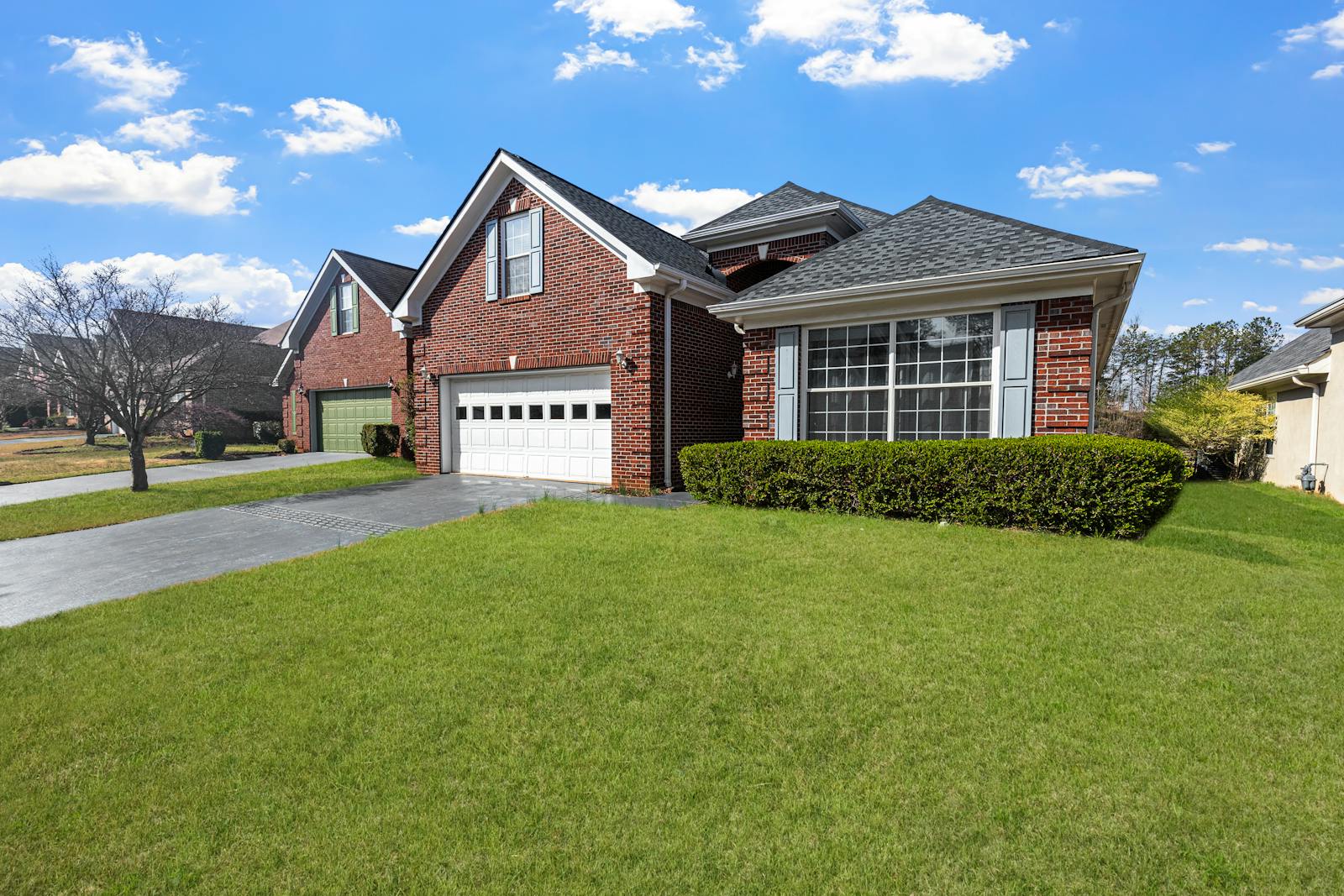
Looking for affordable homes near Ottawa? Discover the top 5 suburbs in 2025 offering great value, quality of life, and easy city access.

Why More Buyers Are Choosing Ottawa’s Suburbs in 2025

In 2025, many homebuyers are turning their sights to the suburbs around Ottawa—and for good reason. With urban prices climbing and demand outpacing supply, suburbs offer:

  • More space for your money

  • Lower property taxes

  • Quieter, family-friendly environments

  • Easy commuting access via new transit expansions

Whether you're a first-time buyer, young family, or downsizer, Ottawa’s surrounding communities deliver comfort, convenience, and value.


What to Look for in an Affordable Suburb

Before diving into specific towns, here’s what makes a suburb both affordable and desirable:

FactorWhy It Matters
Commute TimeEasy access to Ottawa for work and services
Schools & AmenitiesQuality education, shops, and health care
Community VibeSafety, events, and a welcoming atmosphere
Price Per Square FootGet more home for less
Growth PotentialAppreciation over time = better investment

Now let’s explore the top 5 suburbs near Ottawa to find affordable housing in 2025.


1. Embrun – Small Town Charm Just 25 Minutes Away

Located southeast of Ottawa, Embrun offers a close-knit bilingual community with a small-town feel—and big-time value.

Why Embrun Shines:

  • Average home price: ~$550,000

  • Commute to Ottawa: 25–30 minutes

  • Best for: Families and first-time buyers

  • Highlights: Splash pad, arenas, French-English schools, newer subdivisions

Embrun is growing fast but maintains its calm, rural charm. Perfect for buyers wanting more land and a strong sense of community.


2. Kemptville – A Growing Community with Nature and New Homes

South of Ottawa, Kemptville blends nature, heritage, and convenience.

Why Kemptville Works:

  • Average home price: ~$580,000

  • Commute to Ottawa: 40 minutes

  • Best for: Families and retirees

  • Highlights: Kemptville Creek, new shopping plazas, forest trails

The town is booming with new subdivisions and schools, while still offering peace and nature—ideal for hybrid workers or nature-loving families.


3. Russell – Peaceful Living with Modern Amenities

Often voted one of Ontario’s best small towns, Russell is just east of Embrun and consistently attracts buyers looking for space and affordability.

What Makes Russell Great:

  • Average home price: ~$590,000

  • Commute to Ottawa: 30–35 minutes

  • Best for: Growing families

  • Highlights: Dog parks, bike paths, excellent schools, strong resale value

Russell is clean, safe, and known for its tight-knit, well-organized community with a hometown feel.


4. Carleton Place – Suburban Growth with Historic Roots

West of Ottawa lies Carleton Place, a former mill town turned modern suburb with an artsy, riverside vibe.

Why It’s Popular:

  • Average home price: ~$540,000

  • Commute to Ottawa: 40–45 minutes

  • Best for: Creative professionals, commuters

  • Highlights: Mississippi River trails, farmers markets, art galleries

With tons of renovated homes, townhomes, and a thriving downtown, it’s a hotspot for buyers seeking a unique mix of heritage and hip.


5. Rockland – East-End Access with Waterfront Vibes

Rockland, along the Ottawa River, gives east-end buyers a chance to live near water—without the premium price tag.

Why Rockland Is a Hidden Gem:

  • Average home price: ~$560,000

  • Commute to Ottawa: 30–40 minutes

  • Best for: Commuters and budget-conscious families

  • Highlights: Marina, schools, bilingual culture, big box shopping

With continued growth, Rockland is becoming one of eastern Ottawa’s most accessible and versatile communities.


How These Suburbs Compare to Ottawa Neighbourhoods

SuburbAvg. Home Price (2025)Commute to DowntownSimilar to
Embrun~$550K25–30 minOrleans (more rural)
Kemptville~$580K40 minBarrhaven (with more nature)
Russell~$590K30–35 minRiverside South
Carleton Place~$540K40–45 minStittsville (more artistic)
Rockland~$560K30–40 minBeacon Hill (with a river!)

These suburbs offer a price-friendly alternative without sacrificing lifestyle perks.


Real Estate Market Outlook in Ottawa’s Suburbs

  • Suburban demand is rising due to affordability and hybrid work

  • New developments in Embrun, Russell, and Kemptville will keep growing in 2025

  • Infrastructure upgrades, including roads and school expansions, are boosting values

Many of these areas are also seeing small business growth, cultural events, and enhanced local healthcare options.


FAQs About Moving to Ottawa Suburbs

1. Are Ottawa suburbs good for first-time buyers?
Yes—more space, lower prices, and strong communities make them ideal.

2. Will I still have access to transit or amenities?
Most suburbs offer buses, carpool lots, or are within short drives to Ottawa transit hubs.

3. Are these areas growing?
Absolutely—many suburbs are adding schools, shopping, and health services.

4. Can I work remotely and live in a suburb?
Yes—these locations are popular among hybrid and fully remote workers.

5. Do suburbs have good schools and parks?
Yes—most are family-oriented with strong education and recreation infrastructure.

6. Are homes newer in the suburbs?
Often! Many have newer subdivisions built after 2010.


Final Thoughts: Is a Suburb Right for Your Ottawa Home Search?

If you’re looking for more space, lower costs, and a community vibe, these suburbs near Ottawa offer some of the best value in Ontario in 2025. Whether you're a first-time buyer, investor, or just looking to escape the city without losing connection—Embrun, Russell, Kemptville, Carleton Place, and Rockland are all worth exploring.

The right suburb can be more than a budget-friendly option—it can be your perfect next chapter. 🏘️

Read

📈 Why Investors are Eyeing Ottawa: Best Neighbourhoods for ROI in 2025

Explore why Ottawa is a real estate investment hotspot in 2025. Discover top neighbourhoods with high rental yields, property value growth, and strong ROI.

Ottawa’s Real Estate Investment Boom Explained

In 2025, Ottawa stands tall as one of Canada’s most promising cities for real estate investment. Known for its economic stability, low vacancy rates, and ongoing population growth, it has quietly become a magnet for savvy investors across the country.

So, what’s fueling this boom?

  • Vacancy rates are under 2.5%

  • Rental prices have risen 5–8% year-over-year

  • Government and tech jobs provide economic consistency

  • Influx of students and immigrants fuels demand for rentals

With buyers priced out of Toronto and Vancouver, investors are redirecting their focus to Ottawa for better entry points and long-term potential.


Key Benefits of Investing in Ottawa in 2025

Why is Ottawa considered a goldmine for ROI?

  • Strong job market: Federal employment plus a growing tech scene in Kanata

  • Affordability: Average home prices in Ottawa remain lower than in major metros

  • Rental demand: From students, professionals, and immigrants alike

  • Urban expansion: LRT extensions and new condo developments are opening up fresh opportunities

Combined, these factors make Ottawa a rare Canadian market where you can still buy low and sell or rent high.


Top Property Types for Investors in Ottawa

As an investor, choosing the right property type is crucial. Here’s what works best in 2025:

Property TypeWhy It's a Smart Choice
CondosLower entry cost, ideal for short-term or student rentals
Duplexes/TriplexesDual-income streams, strong cash flow
Pre-construction UnitsLong-term appreciation with delayed payments
Short-Term RentalsHigh nightly rates in tourist zones like Centretown & ByWard

Your investment strategy—whether long-term rental or quick flip—will influence the best fit.


Best Ottawa Neighbourhoods for ROI in 2025

Here are Ottawa’s hottest investment neighbourhoods for high returns this year:

🔥 1. Vanier & Overbrook

  • Affordable entry prices

  • Rapid gentrification and new developments

  • Easy access to downtown via LRT

🔥 2. Riverside South

  • Home to expanding LRT and new school zones

  • Family demand pushing rental prices up

  • Low supply of rental homes

🔥 3. Centretown

  • Downtown proximity, perfect for professionals and students

  • Strong Airbnb market

  • High walkability score

🔥 4. Barrhaven

  • Surging suburban rental demand

  • New townhome developments with good cap rates

  • Excellent long-term growth

🔥 5. Little Italy & Westboro

  • Trendy, high-demand areas

  • Boutique condos and multi-units popular with young professionals

  • Excellent for both short- and long-term strategies


What Makes These Neighbourhoods Investment-Friendly?

Each area has a unique set of investment advantages. Let’s break them down:

FactorWhy It Matters
Rental DemandHigh in student & immigrant-dense zones
Price AppreciationVanier & Riverside South leading gains
Transit AccessLRT extensions increase desirability
Development ActivityMore projects = rising property values

Choose neighbourhoods that offer both strong cash flow now and equity growth later.


Short-Term Rental Market: Legal & Profitability Overview

Airbnb-style rentals are still hot in 2025—but you’ll need to follow the rules.

What You Need to Know:

  • Short-term rentals must be your principal residence in many zones

  • Licensing is mandatory for Airbnb operators in Ottawa

  • High-performing areas: ByWard Market, Centretown, The Glebe

With nightly rates between $130–$250, and high tourist demand during festivals and government conferences, returns can be significant—but compliance is key.


How to Analyze ROI in Ottawa Real Estate

Don’t guess—calculate your potential return accurately:

Key Metrics to Watch:

  • Gross rental yield = (Annual Rent / Property Price) × 100

  • Net yield = Factor in taxes, maintenance, insurance

  • Cap rate = (Net Operating Income / Property Value)

  • Cash-on-cash return = Useful for leveraged deals

Aim for cap rates of 4.5%–6.5% in high-growth areas for a solid return.


Risks to Consider Before Investing in Ottawa

Even hot markets have risks. In Ottawa, keep an eye on:

  • Municipal zoning restrictions on short-term rentals

  • Tenant protection laws which limit eviction options

  • Fluctuating interest rates affecting mortgage affordability

  • Inventory spikes in new builds affecting resale value

Always run a sensitivity analysis for worst-case rental income scenarios and consult a local real estate lawyer.


Financing Options for Real Estate Investors

In 2025, there are more options than ever to fund your investment:

Financing OptionDetails
Traditional Mortgage20%–25% down payment, best for long-term holds
HELOCUse equity from your home as leverage
Private LendingFaster access, higher interest, flexible terms
JV PartnershipsSplit cost/profit with another investor

Tip: Work with a mortgage broker who understands investor-specific lending programs.


FAQs About Real Estate Investing in Ottawa

1. Is Ottawa still affordable for real estate investment?
Yes, especially compared to GTA or Vancouver, with lower entry points and strong growth.

2. Which areas have the best rental yield in 2025?
Vanier, Barrhaven, and Centretown have some of the highest gross yields.

3. Are short-term rentals still profitable in Ottawa?
Yes, but legal compliance is essential. Stick to licensed zones.

4. Can foreign buyers invest in Ottawa real estate?
Restrictions are still in place; check federal rules for non-resident investors.

5. What's the best investment strategy in Ottawa?
A mix of long-term rental in growing suburbs and short-term downtown rentals performs best.

6. Do I need an agent to invest?
Strongly recommended—local Realtors can help you find underpriced or off-market deals.


Final Thoughts: Is Ottawa the Right Move for Your Portfolio?

If you’re looking for a stable, high-demand Canadian market with room to grow, Ottawa checks every box. Whether you're a first-time investor or scaling a portfolio, this city offers a unique mix of affordability, cash flow, and long-term appreciation—plus a political and tech-driven economy that’s not going anywhere.

Now’s the time to stake your claim in one of Canada’s fastest-rising real estate markets. 🚀

Read

The Most Energy-Efficient Home Improvements for Every Budget

Improving your home’s energy efficiency isn’t just good for the environment—it can also help you save on utility bills and increase your property’s value. Whether you’re working with a small budget or ready to invest in major upgrades, there are energy-efficient improvements for every homeowner.

Here’s a breakdown of the best energy-saving upgrades at different price points.


💰 Budget-Friendly Energy Upgrades ($100 – $500)

If you’re looking for affordable ways to make your home more energy-efficient, these small changes can have a big impact.

1. Switch to LED Lighting

  • Uses at least 75% less energy than traditional bulbs.

  • Lasts 25 times longer, saving money on replacements.

  • Available in various color temperatures to match your home’s ambiance.

2. Install a Programmable or Smart Thermostat

  • Reduces heating and cooling costs by up to 10% annually.

  • Adjusts automatically based on your schedule.

  • Models like Nest or Ecobee offer app control for convenience.

3. Seal Windows & Doors

  • Prevents drafts and reduces heat loss in winter and heat gain in summer.

  • Use weatherstripping for doors and caulking for windows.

  • Inexpensive fix that can lower heating and cooling costs by 5%–10%.

4. Use Smart Power Strips

  • Cuts phantom power from electronics when not in use.

  • Reduces wasted energy from plugged-in devices.

  • Great for entertainment centers and office spaces.

👉 Tip: These small upgrades can pay for themselves quickly through energy savings.


💵 Mid-Range Energy Upgrades ($500 – $5,000)

If you’re ready to make a moderate investment, these improvements offer bigger energy savings over time.

5. Upgrade to Energy-Efficient Appliances

  • Look for ENERGY STAR-certified refrigerators, dishwashers, and washing machines.

  • Saves up to 20%–30% on electricity and water usage.

  • Newer models perform better while using less energy.

6. Improve Home Insulation

  • Reduces heating and cooling costs by 10%–50%.

  • Focus on attics, crawl spaces, and walls to prevent heat loss.

  • Materials like spray foam, fiberglass, or cellulose provide great insulation.

7. Replace Old Windows with Energy-Efficient Models

  • Double or triple-pane windows reduce heat loss and noise.

  • Look for low-E (low-emissivity) glass to block UV rays and maintain indoor temperature.

  • Can save $100–$600 per year on energy bills.

8. Install a Tankless Water Heater

  • Heats water on demand, reducing standby energy loss.

  • Uses 30%–50% less energy than traditional water heaters.

  • Provides unlimited hot water while saving space.

👉 Tip: Combining multiple mid-range upgrades can increase your home’s resale value while cutting utility costs.


💎 High-End Energy Upgrades ($5,000+ Investment)

For homeowners looking to maximize energy efficiency, these major upgrades can lead to significant long-term savings.

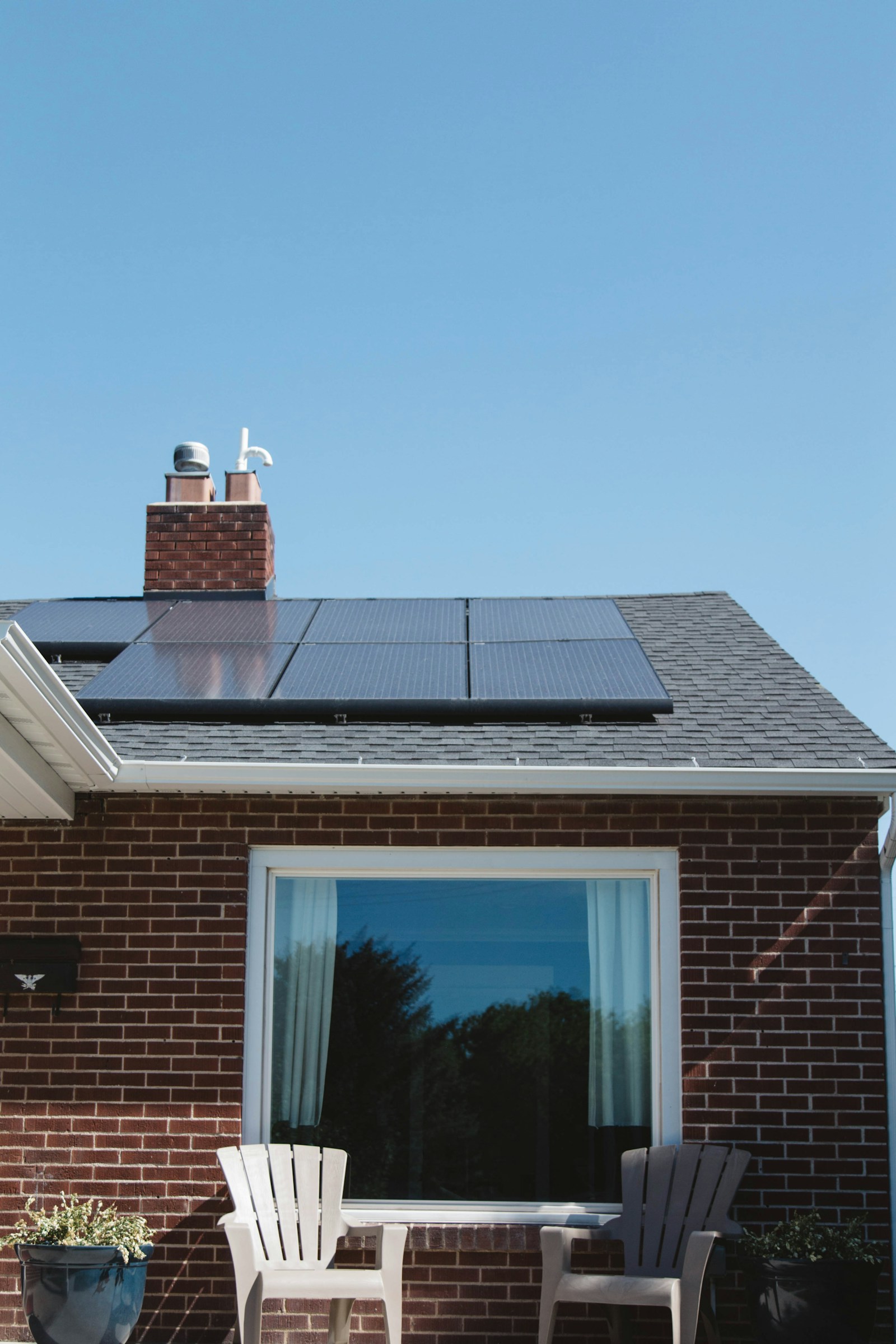
9. Install Solar Panels

  • Cuts electricity costs dramatically, with potential savings of thousands per year.

  • Many regions offer tax credits and rebates for solar installation.

  • Increases property value and reduces dependence on fossil fuels.

10. Upgrade to a High-Efficiency HVAC System

  • Newer heating and cooling systems use 20%–40% less energy.

  • Heat pumps offer both heating and cooling with exceptional efficiency.

  • Zoned systems allow better temperature control for different areas of your home.

11. Replace an Old Roof with Reflective or Green Roofing

  • Reflective roofing reduces heat absorption, keeping your home cooler in summer.

  • Green roofs (with vegetation) improve insulation and reduce rainwater runoff.

  • Certain roof types qualify for energy tax credits.

12. Upgrade to Smart Home Energy Management Systems

  • Monitors energy usage in real-time, helping identify inefficiencies.

  • Integrates with solar, HVAC, and lighting systems for better control.

  • Saves up to 30% on energy costs by optimizing usage.

👉 Tip: These upgrades are best for homeowners planning to stay long-term and wanting to future-proof their property.


🏡 Final Thoughts: Choosing the Right Energy Upgrades

Regardless of your budget, making energy-efficient improvements can help lower costs, increase comfort, and benefit the environment. Whether it’s small fixes like LED bulbs or big investments like solar panels, every upgrade brings long-term value.

Read

📅 How Seasonal Trends Affect Ottawa’s Housing Market: When to Buy or Sell in 2025

Discover how seasonal trends impact Ottawa’s real estate market in 2025. Learn the best times of year to buy or sell and how to maximize your timing.

Understanding Seasonality in Real Estate

In Ottawa, like most Canadian cities, the real estate market follows clear seasonal patterns. These natural ebbs and flows in activity can impact everything from home prices and listing availability to buyer competition and negotiation leverage.

Key drivers of seasonality include:

  • Weather and daylight hours

  • School schedules

  • Holidays and long weekends

  • Tax deadlines and government programs

  • Consumer behavior (relocation trends, job shifts)

Understanding these patterns helps both buyers and sellers make strategic decisions—whether it's listing your home at peak demand or negotiating a better deal during a quieter season.


The Spring Surge – Ottawa’s Busiest Real Estate Season

March to May is when Ottawa’s housing market truly comes alive. The snow melts, homes show better, and people emerge from winter ready to make moves.

Key Spring Trends:

  • Highest number of new listings

  • Busiest time for showings and open houses

  • Quick sales with multiple offer scenarios

  • Often the highest average sale prices of the year

Best for sellers: Homes show beautifully, and buyer competition can lead to over-asking offers.
Challenge for buyers: Be prepared to act fast and face bidding wars.


Summer Slowdown: What to Expect

June to August marks a cooling phase—not in temperature, but in buyer urgency.

What Happens in Summer:

  • Many buyers go on vacation or take a break from house hunting

  • Listings may linger longer

  • Sellers become more flexible

  • Good time for buyers to negotiate price or conditions

Ideal for buyers who are patient and prefer less competition.
Sellers may need to price more aggressively or refresh their listings to attract attention.


Fall Market: A Second Wave of Opportunity

September to mid-November sees a re-energized market, especially among families wanting to settle before winter.

Why Fall Works:

  • Inventory returns with new listings post-summer

  • Buyers are motivated to close before snow or holidays

  • Less hectic than spring, but still competitive

This is a great time for both buyers and sellers who missed spring to make their move before the year wraps up.


Winter Market: Low Volume, High Intent

Late November through February is Ottawa’s quietest housing season—but it’s not without its perks.

Winter Market Insights:

  • Fewest listings and fewer buyers

  • Only serious buyers and sellers remain active

  • Homes may sell for below peak prices

  • Limited daylight and snow can impact showings

If you're a motivated buyer, this is your best shot at finding value.
If you're a seller, ensure your home is warm, well-lit, and staged for coziness to appeal in winter.


How Weather Affects the Ottawa Real Estate Cycle

Ottawa’s long winters directly impact buyer behavior and property presentation:

  • Snow-covered yards hide landscaping potential

  • Icy sidewalks and poor light make showings less inviting

  • Spring melts reveal roof, drainage, and exterior flaws

  • Summer and fall show homes in their best light

Savvy sellers time listings when their home looks best—green lawns, bright skies, and clear pathways.


Seasonal Pricing Trends in Ottawa (2020–2025)

Let’s look at how average prices shift throughout the year:

MonthAverage Sale Price (2024)Avg. Days on Market
January$670,00036 days
March$695,00021 days
May$720,00014 days
August$685,00028 days
October$710,00019 days
December$665,00034 days

Source: Ottawa Real Estate Board (OREB) Historical Data

This seasonal rhythm is expected to continue in 2025, with minor fluctuations based on interest rates and inventory.


Best Time to Buy a Home in Ottawa in 2025

Timing your purchase for the right season can mean better prices and less stress.

Ideal Buyer Windows:

  • Late summer (Aug): Less competition, motivated sellers

  • Winter (Jan–Feb): Lowest prices, fewer bidding wars

  • Fall (Oct): Balanced market, solid inventory

Just make sure you're financially prepared and pre-approved before making a move.


Best Time to Sell Your Home in Ottawa in 2025

If you’re aiming to maximize price and minimize time on market, aim for:

  • Spring (March to May): Best buyer activity

  • Early fall (Sept to mid-Oct): Second highest demand period

  • Avoid major holidays and long weekends when possible

Plan ahead—prep and stage your home in winter or late summer to hit the market at just the right time.


How Seasonality Differs by Property Type

Not all properties follow the same seasonal rhythm.

Property TypeSeasonal Trends
CondosSell steadily year-round, especially downtown
Detached HomesPeak in spring and fall; winter sales are tougher
TownhomesStrong in spring for first-time and family buyers
Luxury HomesOften sell in late spring or summer when lifestyle appeal peaks

Investors can capitalize on less competitive seasons to find deals and negotiate better terms.


Using Seasonal Trends to Your Advantage

Planning is everything. Whether you’re a buyer or seller, here’s how to leverage the seasons:

  • Buy in off-peak, list in peak

  • Stage homes based on season (e.g., cozy in winter, airy in summer)

  • Align your move with personal and market readiness

  • Use slower periods for inspections, renovations, and pre-listing prep


FAQs About Seasonal Trends in Ottawa Real Estate

1. What month do most homes sell in Ottawa?
May is consistently the busiest month for home sales.

2. When are home prices lowest in Ottawa?
Typically in January and February due to lower demand.

3. Is winter a bad time to buy?
Not at all—serious sellers and fewer competitors can make winter a smart time to buy.

4. What’s the hardest time to sell a home in Ottawa?
Late December and early January are typically the slowest.

5. Do condo sales follow the same trends as houses?
Not always—condos sell more evenly throughout the year, especially in central areas.

6. Should I renovate before selling in the spring?
Yes—complete upgrades in winter to list in early spring when demand is highest.


Final Thoughts: Timing the Ottawa Market with Confidence

Whether you're a buyer hunting for deals or a seller looking to cash in, understanding how seasonal trends affect Ottawa’s housing market is the key to making confident, informed decisions in 2025.

Let the seasons guide your strategy—but don’t wait for the “perfect” moment. With the right preparation, any season can be the right one to make your move in Ottawa real estate. 🍁❄️🌸☀️

Read

How to Choose Eco-Friendly Building Materials for Renovations

Home renovations are a great way to improve your living space, but they can also have a significant impact on the environment. By choosing eco-friendly building materials, you can reduce waste, lower energy consumption, and create a healthier home. Whether you’re remodeling a kitchen, updating flooring, or making structural changes, here’s how to choose sustainable materials for your renovation.


🌱 Why Choose Eco-Friendly Materials?

Reduces Waste & Pollution – Sustainable materials minimize landfill waste and reduce harmful emissions.
Improves Energy Efficiency – Many eco-friendly materials help lower heating and cooling costs.
Healthier Living Environment – Low-VOC (volatile organic compound) materials improve indoor air quality.
Long-Term Durability – Many green materials are more durable, reducing the need for future replacements.


🏠 1. Sustainable Flooring Options

When choosing flooring, opt for materials that are renewable, durable, and free from harmful chemicals.

✔️ Bamboo – A fast-growing, renewable alternative to hardwood.
✔️ Cork – Harvested from tree bark without harming the tree, naturally resistant to mold and pests.
✔️ Reclaimed Wood – Salvaged from old buildings, reducing the need for new trees to be cut down.
✔️ Recycled Tile – Made from glass, porcelain, or ceramic waste, giving old materials new life.
✔️ Linoleum – A biodegradable, non-toxic flooring option (not to be confused with vinyl).

👉 Tip: Look for flooring with certifications like FSC (Forest Stewardship Council) or GreenGuard to ensure sustainability.


🪵 2. Eco-Friendly Wood & Cabinetry

Traditional wood products contribute to deforestation and often contain formaldehyde-based adhesives. Choose:

✔️ FSC-Certified Wood – Ensures wood is sourced responsibly.
✔️ Reclaimed Wood – Adds character while reducing environmental impact.
✔️ Bamboo Cabinets – A stylish, renewable alternative to hardwood.
✔️ Formaldehyde-Free Plywood – Safer for indoor air quality.

👉 Tip: Use low-VOC or water-based finishes to avoid harmful fumes.


🧱 3. Sustainable Countertops

Your kitchen and bathroom countertops can be both stylish and eco-friendly. Consider:

✔️ Recycled Glass – Made from post-consumer glass, available in unique designs.
✔️ Reclaimed Wood – Great for rustic or farmhouse-style kitchens.
✔️ Bamboo – Lightweight, renewable, and durable.
✔️ Recycled Concrete – Mixed with other reclaimed materials for a modern look.

👉 Tip: Avoid non-recyclable surfaces like traditional laminate, which can end up in landfills.


🏗️ 4. Energy-Efficient Insulation

Good insulation reduces heating and cooling costs. Instead of traditional fiberglass, choose:

✔️ Recycled Denim Insulation – Made from old jeans, non-toxic and effective.
✔️ Sheep’s Wool – Naturally fire-resistant and biodegradable.
✔️ Cellulose Insulation – Made from recycled paper and treated to be fire-resistant.
✔️ Cork Insulation – Sustainable, mold-resistant, and energy-efficient.

👉 Tip: Look for R-value ratings to determine insulation effectiveness.


🪟 5. Windows & Doors for Energy Savings

Windows and doors impact your home’s energy efficiency. Upgrade to:

✔️ Double or Triple-Pane Windows – Reduces heat loss and noise.
✔️ Low-E Glass – Reflects heat while letting in natural light.
✔️ Reclaimed Wood Doors – Durable and eco-friendly.
✔️ Fiberglass or Steel Doors – More energy-efficient than traditional wood doors.

👉 Tip: Look for Energy Star-certified windows and doors to maximize efficiency.


🎨 6. Low-VOC Paints & Finishes

Traditional paints contain VOCs (volatile organic compounds) that can harm indoor air quality. Choose:

✔️ Low-VOC or Zero-VOC Paints – Reduces toxic fumes.
✔️ Milk Paint or Natural Clay Paint – Eco-friendly and biodegradable.
✔️ Water-Based Sealants – Safer alternative to oil-based finishes.

👉 Tip: Open windows for ventilation when painting, even with eco-friendly options.


💧 7. Water-Saving Fixtures

Eco-friendly renovations should also focus on water conservation. Install:

✔️ Low-Flow Toilets – Uses significantly less water per flush.
✔️ Water-Efficient Faucets & Showerheads – Reduces water waste without sacrificing performance.
✔️ Tankless Water Heaters – Heats water on demand, reducing energy use.
✔️ Rainwater Collection Systems – Great for watering gardens or outdoor use.

👉 Tip: Look for WaterSense-labeled products for the best water efficiency.


♻️ 8. Recycled & Locally Sourced Materials

Choosing materials that are recycled or locally sourced reduces transportation emissions and supports sustainable production.

✔️ Reclaimed Brick or Stone – Adds a timeless look while reducing waste.
✔️ Recycled Metal – Ideal for roofing, fixtures, and decorative elements.
✔️ Local & Sustainable Materials – Reduces carbon footprint from shipping.

👉 Tip: Shop at salvage yards or reclaimed material stores for unique finds.


Final Thoughts: Make Your Renovation Green & Smart

Sustainable home renovations are better for the planet and your wallet in the long run. By choosing eco-friendly materials, you can create a healthier home while reducing environmental impact.

Read

🏙️ A Local’s Guide to Living in Downtown Ottawa: Pros, Cons & Pricing in 2025

Thinking about living in downtown Ottawa? Explore the pros, cons, lifestyle perks, and average home prices in 2025 in this local's guide.

What Defines Downtown Ottawa?

Downtown Ottawa is the heartbeat of Canada’s capital. Known for its blend of political prestige, vibrant nightlife, historic architecture, and riverfront charm, it's more than just a place to work—it's a dynamic place to live.

Key downtown districts include:

  • Centretown: Main business and residential hub

  • ByWard Market: Trendy, nightlife-driven area near the Rideau Canal

  • Golden Triangle: Peaceful pocket with parks and elegant homes

  • Lower Town: Historic, diverse, and evolving

Downtown is bounded by the Rideau Canal, Ottawa River, and Bronson Avenue, encompassing a compact, walkable core full of energy and convenience.


Why People Love Living in Downtown Ottawa

Living downtown means being at the center of it all. Here's why locals are drawn to urban living in 2025:

  • No car needed—walk or cycle almost everywhere

  • Lively culture and arts scene, from galleries to pop-up events

  • Abundant dining options, from craft coffee to global cuisine

  • Proximity to landmarks: Parliament Hill, National Gallery, and Rideau Canal

  • Waterfront lifestyle with scenic trails and kayaking in summer

If you're someone who thrives in an active, plugged-in environment, downtown Ottawa offers a lifestyle like no other in the city.


Pros of Downtown Ottawa Living in 2025

BenefitWhy It Matters
WalkabilityAccess work, shops, dining without driving
Public transit access3+ LRT stations, quick commute across the city
Entertainment and cultureNAC, festivals, music venues, and local artists
Historic + modern architectureFrom 1800s homes to new glass towers
Urban community vibeEasy to meet people and join events/clubs

Cons of Downtown Ottawa Living in 2025

ChallengeHow to Navigate It
Higher real estate pricesConsider smaller units or emerging districts
Noise and foot trafficChoose quieter blocks like the Golden Triangle
Limited parkingOpt for homes with underground spots or car-share
Less yard spacePrioritize nearby parks or rooftop terraces

Downtown life isn’t for everyone. It trades quiet space for vibrant energy, so it's all about lifestyle alignment.


Types of Homes Available Downtown

Downtown Ottawa offers a diverse mix of housing options:

  • Condos: Modern high-rises, low maintenance, amenities included

  • Heritage Homes: Renovated rowhouses and historic gems

  • Boutique Apartments: Converted buildings with charm and character

  • New Developments: Pre-construction and infill projects with smart-home tech

While most properties are condos and townhomes, detached homes exist in quieter corners like the Golden Triangle.


Average Home & Rental Prices in 2025

Home values and rent have continued to rise steadily downtown. Here's what to expect in 2025:

TypeAverage Price
1-Bed Condo$475,000–$525,000
2-Bed Condo$625,000–$700,000
Heritage Townhome$850,000–$1.1M
Monthly Rent (1-Bed)$2,100–$2,500
Monthly Rent (2-Bed)$2,700–$3,200

Prices vary by view, amenities, and location (e.g., canal-facing units).


Best Downtown Areas for Different Lifestyles

NeighbourhoodIdeal For
ByWard MarketYoung professionals, nightlife lovers
CentretownOffice workers, students, walkers
Golden TriangleCouples, mature professionals, quiet-seekers
LowertownDiverse communities, emerging rental investors

Each area offers something unique, so tour them to get a feel before committing.


What It’s Like to Raise a Family Downtown

Downtown Ottawa might not be the first choice for families, but it does have its perks:

  • Nearby parks: Confederation Park, Major’s Hill, Dundonald Park

  • Top schools: Elgin Street PS, Lisgar Collegiate, Montessori options

  • Libraries & community centres: Ottawa Public Library (Main), YMCA

  • Community groups: Parent circles, bike clubs, music lessons

Safety, walkability, and culture make urban family life possible—though many families eventually migrate to the Glebe, Old Ottawa South, or Westboro.


Top Amenities, Attractions & Culture Spots

Living downtown means endless access to Ottawa’s best offerings:

  • Rideau Centre: Shopping hub with Nordstrom, Simons, Apple Store

  • National Arts Centre (NAC): Live music, theatre, orchestras

  • ByWard Market: Outdoor vendors, pubs, craft fairs, artisan food

  • The Canal: Skate in winter, bike or paddle in summer

  • Galleries & Museums: National Gallery, War Museum, Art House Cinema

You'll never run out of things to do or see.


Public Transit & Commuting Downtown

Downtown Ottawa is the city’s transit nucleus:

  • LRT Confederation Line: Connects west to east across city

  • O-Train Lines: Fast access to universities and suburbs

  • Extensive bike paths: Ottawa is among Canada’s top cycling cities

  • Walk Score: Most of downtown scores 90+ for walkability

Commuting here is less about driving and more about moving smart.


Is Downtown Ottawa Right for You? Questions to Ask

Ask yourself:

  • Do I enjoy city energy or crave peace and space?

  • Am I okay with condo living or need a backyard?

  • Is this location close to work, school, or family?

  • Can I handle higher prices for location convenience?

  • Does my lifestyle match downtown’s pace?

Your answers will guide whether downtown is your ideal fit—or just a weekend destination.


FAQs About Living in Downtown Ottawa

1. Is it expensive to live in downtown Ottawa?
Yes, but it's still cheaper than Toronto or Vancouver. Condos and rentals are premium-priced but offer unmatched convenience.

2. Is downtown Ottawa safe?
Generally, yes. Like any city core, some areas are busier at night, but overall, it’s well-patrolled and community-oriented.

3. Do I need a car if I live downtown?
Not really! Most locals walk, bike, or take transit everywhere.

4. What’s the best area for a quiet lifestyle downtown?
Golden Triangle offers peace while staying close to the action.

5. Are there good schools downtown?
Yes—Lisgar Collegiate and several public and private schools are centrally located.

6. What’s the nightlife like?
From rooftop bars to cozy pubs and clubs, ByWard Market is the go-to for entertainment.


Final Thoughts: Embracing the Urban Lifestyle in Ottawa

Living in downtown Ottawa in 2025 is a blend of culture, convenience, and connection. Whether you're a student, young professional, or empty nester seeking energy and accessibility, this vibrant heart of the city has a home—and a lifestyle—for you.

So lace up your walking shoes, grab your coffee-to-go, and get ready to call Canada’s capital core home. 🏙️

Read

How to Handle a Real Estate Transaction During a Divorce

Divorce is a difficult and emotional process, and one of the biggest challenges is deciding what to do with shared property. Whether you own a home, rental properties, or other real estate assets, handling a real estate transaction during a divorce requires careful planning, legal guidance, and clear communication. Here’s how to navigate the process smoothly.


🏡 Step 1: Understand Your Options

When dealing with real estate in a divorce, you typically have three main options:

  1. Sell the Property and Split the Proceeds

    • The most common choice, allowing both parties to move on financially.

    • The home is appraised, sold, and the profits are divided based on the divorce settlement.

  2. One Spouse Buys Out the Other

    • If one spouse wants to keep the home, they can buy out the other’s share.

    • This often requires refinancing the mortgage into one person’s name.

  3. Continue Co-Owning the Home

    • Some couples choose to keep the home temporarily, especially if kids are involved.

    • This can be a short-term solution until the market improves or the children are older.

👉 Tip: Consult a financial advisor or divorce attorney to determine which option best fits your situation.


💰 Step 2: Get a Fair Market Value Assessment

Before making any decisions, you need to know how much the property is worth.

  • Hire a real estate appraiser or ask a local real estate agent for a comparative market analysis (CMA).

  • If selling, set a realistic listing price based on market conditions.

  • If one spouse is buying out the other, a fair value must be established to determine the buyout amount.

👉 Tip: If you and your spouse can’t agree on the property’s value, you may need a third-party mediator or court-appointed appraiser.


📝 Step 3: Determine Mortgage and Debt Responsibilities

  • If Selling: The mortgage must be paid off at closing, and any remaining proceeds are divided.

  • If One Spouse Keeps the Home: They typically need to refinance the mortgage under their name only.

  • If You Co-Own Temporarily: Set clear agreements on who pays for the mortgage, taxes, and maintenance.

👉 Tip: Check your credit report to understand any joint liabilities before making a financial decision.


⚖️ Step 4: Legal Considerations and Paperwork

  • A divorce settlement agreement should clearly outline how the home is being handled.

  • If selling, both parties must agree on a real estate agent, listing price, and terms.

  • If one spouse is keeping the home, the other spouse must be removed from the deed and mortgage.

👉 Tip: Work with a real estate attorney to ensure all paperwork is handled correctly and fairly.


🤝 Step 5: Work with the Right Professionals

Handling a real estate transaction during a divorce requires expert guidance. Consider working with:

✔️ A Divorce Attorney – To ensure legal fairness.
✔️ A Real Estate Agent Experienced in Divorce Sales – To facilitate a smooth sale.
✔️ A Financial Advisor – To assess the long-term impact of keeping or selling the home.
✔️ A Mortgage Lender – If refinancing or applying for a new loan.


🏠 Step 6: Moving Forward

Once the real estate transaction is complete:

  • Update your address for important documents.

  • Close joint accounts related to the home (utilities, insurance, mortgage, etc.).

  • Plan for your future – Whether buying a new home or renting, create a financial plan for stability.


Final Thoughts

Dividing real estate in a divorce can be stressful and emotional, but taking a strategic and fair approach can help both parties move forward. Whether selling or keeping the home, working with qualified professionals will make the process smoother.

Read

🧳 Downsizing in Ottawa: Best Neighbourhoods and Tips for 2025 Retirees

Planning to downsize in Ottawa in 2025? Discover the top neighbourhoods, smart downsizing tips, and housing options for retirees and empty nesters.

Why More Retirees Are Downsizing in Ottawa

As retirement approaches, many Ottawa homeowners are choosing to simplify their lives by downsizing. It's not just about square footage—it's about freedom, comfort, and peace of mind.

In 2025, downsizing is more appealing than ever thanks to:

  • Rising property values (sell high, buy smart)

  • The desire for low-maintenance living

  • Health considerations and mobility needs

  • A shift toward lifestyle-focused living

Whether you’re an empty nester or planning for retirement, downsizing in Ottawa offers both financial and emotional rewards.


When Is the Right Time to Downsize?

There’s no universal "right time," but a few key signs include:

  • Kids have moved out and rooms are rarely used

  • You want to reduce maintenance and expenses

  • You're looking for a walkable, community-driven area

  • Your current home no longer fits your mobility or accessibility needs

Most people begin planning in their early 60s, but many also start as early as 50, especially when real estate prices are favourable.


Benefits of Downsizing in 2025

BenefitWhy It Matters
Lower monthly costsSmaller property = reduced taxes, utilities, and upkeep
Less stress and clutterEasier to clean, maintain, and enjoy
Unlock home equityUse profits from sale to boost retirement savings
Better location accessMove closer to transit, healthcare, or grandchildren
Simplified lifestyleFocus on hobbies, travel, and wellness

Downsizing isn’t about losing space—it’s about gaining time, money, and energy.


Housing Options for Downsizers in Ottawa

Ottawa offers several right-sized home types for those looking to simplify:

🏢 Condos

  • Low maintenance, central locations

  • Building amenities (elevators, gyms, lounges)

  • Great for lock-and-leave lifestyles

🏠 Bungalows

  • One-floor living, ideal for mobility

  • Small yard without stairs

  • Common in Nepean, Alta Vista, and Kanata

👨‍👩‍👧‍👦 Adult Lifestyle Communities

  • Designed for 55+ living

  • Include clubhouses, social events, trails

  • Found in places like Amberwood Village (Stittsville) or Bridlewood Trails

🛌 Seniors’ Apartments

  • Rent or buy in accessible communities

  • On-site healthcare, meals, or recreational support


Best Neighbourhoods in Ottawa for Downsizing

These areas combine accessibility, amenities, and peaceful living:

NeighbourhoodWhy It's Ideal for Downsizers
The GlebeWalkable, vibrant, full of cafes and culture
WestboroTrendy yet peaceful, close to river and boutiques
Alta VistaMature neighbourhood with bungalows and green space
BarrhavenNew builds, adult communities, great for driving access
OrleansAffordable condos and bungalows, bilingual community

Each offers a unique balance of comfort, services, and connection.


Condo Living for Retirees: Pros and Cons

✅ Pros:

  • Snow removal, lawn care, and maintenance handled

  • Enhanced safety and accessibility

  • Building amenities (party rooms, security, elevators)

❌ Cons:

  • Condo fees (usually $400–$800/month)

  • Less personal space or yard

  • Rules about pets, renovations, or renting

Condos are ideal if you’re seeking simplicity and security with some luxury lifestyle features.


Tips for a Smooth Downsizing Transition

Before the Move:

  • Start decluttering early—1–2 rooms at a time

  • Sell or donate unused furniture and items

  • Hire a real estate agent experienced with seniors

  • Visit multiple property types and neighbourhoods

During the Move:

  • Use a specialized moving service for seniors

  • Label boxes clearly and simplify setups

  • Ask for help from friends or family for emotional support

Downsizing is more than moving—it’s a new lifestyle. Plan ahead and pace yourself.


Financial Considerations for Downsizing in 2025

  • Use home equity to fund retirement or invest

  • Factor in real estate commission and moving costs

  • Consider a bridge loan if buying before selling

  • Be mindful of capital gains taxes (only if selling investment properties)

Also explore property tax rebates or deferrals offered to seniors by the City of Ottawa.


Working with a REALTOR® Who Understands Downsizers

A downsizing-savvy agent will:

  • Help sell your home for top dollar

  • Suggest staging that appeals to younger buyers

  • Show you homes with accessible floor plans

  • Connect you with downsizing specialists and legal help

Look for someone with SRES® (Seniors Real Estate Specialist) designation, if possible.


FAQs About Downsizing in Ottawa

1. Is it worth downsizing in Ottawa right now?
Yes—home values are high, and smaller homes offer long-term savings.

2. What’s the best home type for mobility needs?
Bungalows and condos with elevators or ground-level access.

3. Can I downsize and still stay near family?
Absolutely—Ottawa has great downsizing options in almost every suburb.

4. How long does the downsizing process take?
It varies, but most people start planning 6–12 months before moving.

5. Should I sell before I buy?
It depends on your financial position. Some retirees use bridge loans for flexibility.

6. Are there grants or rebates for seniors moving homes?
Some moving tax credits and local support programs are available—check Ontario's 2025 benefits.


Final Thoughts: Starting Your Next Chapter with Less Stress

Downsizing in Ottawa in 2025 is about living smarter, not smaller. Whether you’re trading your backyard for a balcony or finding a low-maintenance home near family, there’s freedom in letting go of what you don’t need—and making room for the lifestyle you want.

Take your time, explore your options, and remember: this is a fresh chapter, not a closing one. 🌅

Read

The Best Time of Year to Sell Your Home and Why

Timing plays a crucial role in the real estate market, and choosing the right time to sell your home can significantly impact your sale price and how quickly your property sells. While homes are bought and sold year-round, certain seasons offer distinct advantages. So, when is the best time to sell your home, and why? Let’s break it down.


🏡 Spring: The Best Season to Sell

Why Spring Is Ideal for Selling

  1. Higher Demand – Buyers are eager to move before summer, creating a competitive market.

  2. Better Curb Appeal – Warmer weather means green lawns and blooming flowers, making homes look more inviting.

  3. Faster Sales – Homes listed in spring tend to sell faster than at any other time of the year.

  4. Higher Prices – With multiple buyers interested, bidding wars can drive up your sale price.

Challenges of Selling in Spring

  • More competition, as many sellers list during this time.

  • Buyers can be picky since they have many options.


☀️ Summer: A Strong Seller’s Market

Why Summer Can Be a Good Time to Sell

  1. Families Want to Move Before School Starts – Many buyers want to settle into a new home before fall.

  2. Longer Days = More Showings – Extended daylight hours mean more evening and weekend showings.

  3. Motivated Buyers – People who didn’t buy in spring may be more willing to close quickly.

Challenges of Selling in Summer

  • Vacation Season – Some buyers are away, reducing the number of active house hunters.

  • Hot Weather – Depending on your location, extreme heat may deter buyers from attending open houses.


🍂 Fall: A Second Chance for Sellers

Why Fall Can Work for Selling

  1. Serious Buyers – People looking in fall are committed and often need to move before winter.

  2. Less Competition – Fewer homes are on the market, meaning your home can stand out.

  3. Homes Look Cozy – Autumn colors, warm lighting, and seasonal décor create an inviting atmosphere.

Challenges of Selling in Fall

  • Buyers might try to negotiate lower prices since the peak season has passed.

  • Fewer families are looking to move due to school schedules.


❄️ Winter: The Toughest Season to Sell (But Not Impossible!)

Why Winter Can Work for Selling

  1. Less Inventory = Less Competition – With fewer homes on the market, yours could attract more attention.

  2. Motivated Buyers – Many winter buyers need to relocate quickly for job transfers or life changes.

  3. Holiday Buyers – Some people receive year-end bonuses or tax incentives that push them to buy.

Challenges of Selling in Winter

  • Fewer buyers = fewer offers.

  • Snow and bad weather can make showings difficult.

  • Homes might feel less inviting without greenery and natural light.


⏳ The Best Time Depends on Your Situation

While spring and early summer are historically the best times to sell a home, the right time for you depends on:

✔️ Market Conditions – Is it a buyer’s or seller’s market?
✔️ Your Personal Timeline – Do you need to move quickly?
✔️ Your Home’s Condition – Is it ready to list now, or do you need time for upgrades?

Read

Just Listed: Ottawa

Just Listed: 1208 105 Champagne Avenue South in Ottawa. See details here

Welcome to Envie II! This bright & spacious, studio unit offers modern finishes; exposed concrete features, quartz countertops and stainless steel appliances. Centrally located in the Dow's Lake/Little Italy area, steps from the O-Train, Carleton University, The Civic Hospital, restaurants, walking/biking paths & more. Perfect for students or young professionals. The building amenities include: concierge, a fitness centre, study lounges, penthouse lounge with a games area, & a 24/7 grocery store on site. Parking available for rent from management. This unit is being sold fully furnished. Condo fees include heat, a/c, water and internet. Tenant currently on a month-to-month lease and leaving end of May 2025. The unit comes FULLY FURNISHED. (id:2493)

Read

💰 Selling Your Home in Ottawa? Here’s How to Maximize Its Value in 2025

Planning to sell your home in Ottawa in 2025? Learn expert tips to increase your property's value, attract buyers, and close faster.

Ottawa’s Seller’s Market in 2025 – What to Expect

The Ottawa real estate market in 2025 remains strong, with steady buyer demand and limited housing inventory in several key neighbourhoods. This environment presents a great opportunity for homeowners looking to sell—but only if you position your property correctly.

Key seller market highlights for 2025:

  • Average home prices are up 4–6% year-over-year

  • Suburban areas like Barrhaven and Orleans remain in high demand

  • First-time buyers and relocators from the GTA are driving competition

  • Interest rates are stabilizing, motivating more buyer activity

Spring and fall remain the hottest seasons for sellers, but properly priced and staged homes can perform well year-round.


Understanding Your Home’s Market Value

Before listing your home, you’ll need a clear understanding of its true market value—not just what your neighbour sold for.

Key ways to determine value:

  • Comparative Market Analysis (CMA) from a local Realtor®

  • Recent sold data from platforms like HouseSigma or Realtor.ca

  • Condition, upgrades, lot size, and location premium

Avoid relying solely on online estimates—they can be off by tens of thousands of dollars. A professional appraisal or CMA is your best bet for setting a competitive yet profitable price.


Strategic Timing: When to Sell in Ottawa for the Best Return

Timing is everything. In Ottawa:

  • Spring (March–May) sees the most buyer activity and best pricing

  • Fall (Sept–Oct) is ideal for families wanting to settle before winter

  • Summer can be slower due to vacations

  • Winter sales are fewer but less competitive—ideal for urgent buyers

Bonus: 2025’s Stage 2 LRT expansion is expected to increase demand in Riverside South and East-end areas—timing your sale around this could add a value boost.


Home Improvements That Add Real Value

If you're planning to sell, not all renovations are worth it. Focus on high-ROI upgrades that impress buyers without breaking your budget.

Top Value-Boosting Upgrades:

  • Kitchen refresh: New counters, cabinets, or appliances

  • Bathroom updates: New fixtures, modern tiles

  • Fresh paint: Neutral tones brighten and modernize

  • Energy efficiency: Smart thermostats, LED lighting

  • Curb appeal: Landscaping, modern doors, clean gutters

A small investment in the right areas can add thousands to your asking price.


Staging Tips to Impress Ottawa Buyers

Buyers decide in seconds whether a house “feels right.” Staging helps create that instant connection.

Top Staging Moves:

  • Declutter: Remove personal items and extra furniture

  • Neutralize: Keep decor simple and widely appealing

  • Professional photography: Especially for online listings

  • Add cozy accents: Throw pillows, artwork, fresh flowers

  • Maximize lighting: Natural light sells homes

Don’t overlook outdoor spaces—add some potted plants, a clean walkway, and a welcoming front porch.


Legal Prep: Documents, Disclosures & Inspections

Smoother closings start with strong prep. Sellers should have:

  • Title deed and property tax records

  • Status Certificate (for condo owners)

  • Pre-listing home inspection (optional but builds trust)

  • Disclosure forms (known defects, past permits, insurance claims)

Having your documents ready makes you look professional—and prevents costly delays.


Choosing the Right Real Estate Agent in Ottawa

Not all agents are created equal. You need someone with local knowledge, a sharp marketing strategy, and strong negotiation skills.

What to Look For:

  • Proven experience in your area

  • Clear, proactive marketing plan

  • Transparent commission structure (typically 4–5% in Ontario)

  • Communication and responsiveness

Interview 2–3 agents before committing. Ask how they’ll position your home in Ottawa’s 2025 market.


Marketing Your Ottawa Home in 2025

In 2025, selling a home is all about standing out online and offline.

Must-Have Marketing Tools:

  • MLS listing on Realtor.ca

  • Virtual tours and drone footage

  • Facebook & Instagram ads targeting local buyers

  • Professional floor plans and staging

  • Strategic open houses or virtual showings

The more eyes on your listing, the faster it sells—and often for more money.


Understanding Buyer Psychology in Ottawa

Today’s buyers are savvy. Many have done weeks of research before even stepping foot inside your property.

They’re looking for:

  • Move-in ready homes with minimal repairs

  • Energy-efficient appliances

  • Homes near LRT stations, schools, or shopping

  • Smart tech (thermostats, security)

Appealing to both emotion and practicality can seal the deal.


Common Seller Mistakes to Avoid in Ottawa

Even in a seller’s market, these pitfalls can hurt your sale:

  • Overpricing: Leads to longer days on market and lower offers

  • Neglecting repairs: Small issues signal poor upkeep

  • Poor listing photos: These can cost you thousands in missed offers

  • Being inflexible with showings: Limits buyer access

Partner with professionals to avoid these traps and ensure a smooth sale.


FAQs About Selling Your Home in Ottawa

1. How long does it take to sell a home in Ottawa in 2025?
On average, 15–30 days for well-priced and staged homes.

2. Do I need to stage my home to sell?
Staging isn’t mandatory, but it greatly improves appeal and selling price.

3. Should I sell before buying a new home?
Depends on market conditions. In Ottawa, many sellers opt to buy first in tight inventory periods.

4. Can I sell my home without a Realtor?
Yes, but FSBO (For Sale By Owner) homes tend to sell for less and take longer.

5. What’s the average commission in Ottawa?
Typically 4–5% of the final sale price, split between buyer and seller agents.

6. What months are best for selling in Ottawa?
Spring and fall are ideal, with spring seeing the highest activity.


Final Thoughts: Selling Smart in Ottawa’s 2025 Market

Selling your home in Ottawa in 2025 can be a rewarding and profitable experience—if you do it right. From pricing and staging to legal prep and marketing, every step counts toward achieving your best possible sale.

With strong buyer demand and continued city growth, now is a great time to list. Team up with the right professionals, invest in smart upgrades, and showcase your home in its best light.

You’re not just selling a property—you’re selling a lifestyle. And in Ottawa, that lifestyle is more in demand than ever. 💼🏡

Read

DIY Home Repairs Every Homeowner Should Master

Owning a home is rewarding, but it also comes with responsibilities—especially when it comes to maintenance and repairs. While some issues require professional help, mastering a few essential DIY home repairs can save you time, money, and stress. Here’s a guide to the most useful repairs every homeowner should know.


1. Fixing a Leaky Faucet

Leaky faucets aren’t just annoying; they can waste gallons of water and increase your utility bills.

  • What You’ll Need: Wrench, replacement washers or O-rings, and plumber’s tape.

  • Steps:

    1. Turn off the water supply.

    2. Dismantle the faucet to identify worn parts.

    3. Replace washers or O-rings and reassemble.

  • Tip: Watch a tutorial for your specific faucet type to ensure success.


2. Patching Drywall Holes

Accidental dents and holes in walls are common but easy to fix.

  • What You’ll Need: Spackle, putty knife, sandpaper, and paint.

  • Steps:

    1. Apply spackle to the hole using a putty knife.

    2. Let it dry, then sand it smooth.

    3. Paint over the area to match the wall.

  • Pro Tip: For larger holes, use a drywall repair kit.


3. Unclogging a Drain

Slow or clogged drains are inevitable, but they’re usually fixable without a plumber.

  • What You’ll Need: Plunger, drain snake, or a baking soda and vinegar mixture.

  • Steps:

    1. Start with a plunger to remove blockages.

    2. Use a drain snake for deeper clogs.

    3. Prevent future clogs with regular cleaning and drain covers.

  • Eco-Friendly Tip: Avoid harsh chemical drain cleaners; they can damage pipes.


4. Replacing a Broken Tile

A cracked tile can ruin the look of a room, but replacing it is simpler than you think.

  • What You’ll Need: Replacement tile, adhesive, grout, and a grout float.

  • Steps:

    1. Remove the broken tile and clean the area.

    2. Apply adhesive and set the new tile in place.

    3. Once dry, apply grout and wipe away excess.

  • Tip: Keep extra tiles from your initial installation for seamless repairs.


5. Resetting a Tripped Circuit Breaker

Power outages in specific areas of your home often result from a tripped breaker.

  • What You’ll Need: Access to your circuit breaker panel.

  • Steps:

    1. Locate the tripped breaker (it will be in the middle position).

    2. Switch it fully off, then back on.

    3. If it trips again, investigate the cause, such as an overloaded circuit.

  • Safety Tip: Never attempt electrical repairs beyond your expertise.


6. Fixing a Running Toilet

A running toilet wastes water and can inflate your water bill.

  • What You’ll Need: Replacement flapper or fill valve, adjustable wrench.

  • Steps:

    1. Open the tank and inspect the flapper or fill valve for wear.

    2. Replace the faulty part with a new one.

    3. Adjust the water level as needed.

  • Tip: These parts are inexpensive and widely available at hardware stores.


7. Weatherproofing Doors and Windows

Drafty windows and doors can lead to higher heating and cooling costs.

  • What You’ll Need: Weatherstripping, caulk, and a caulking gun.

  • Steps:

    1. Apply weatherstripping to door and window edges.

    2. Use caulk to seal gaps around frames.

    3. Check for drafts by holding a lit candle near suspected leaks.

  • Benefit: Improved energy efficiency and comfort.


8. Cleaning Gutters

Clogged gutters can lead to water damage and foundation issues.

  • What You’ll Need: Ladder, gloves, and a garden trowel.

  • Steps:

    1. Remove debris from gutters by hand or with a trowel.

    2. Flush gutters with water to ensure proper flow.

    3. Check downspouts for blockages.

  • Tip: Clean gutters at least twice a year, especially in fall and spring.


9. Painting Walls Like a Pro

A fresh coat of paint can transform a room.

  • What You’ll Need: Paint, brushes, rollers, painter’s tape, and drop cloths.

  • Steps:

    1. Prep the area by cleaning walls and taping off edges.

    2. Apply primer if needed, then paint in even strokes.

    3. Remove tape while the paint is still wet for clean lines.

  • Pro Tip: Invest in quality brushes and rollers for a smoother finish.


10. Maintaining HVAC Systems

Regular maintenance keeps your heating and cooling systems efficient.

  • What You’ll Need: Replacement filters and a vacuum.

  • Steps:

    1. Replace air filters every 1-3 months.

    2. Vacuum vents and ducts to remove dust.

    3. Schedule professional inspections annually.

  • Benefit: Prolongs the life of your system and improves air quality.


Conclusion

Learning these essential DIY home repairs empowers you to maintain your home and save money. While not every repair can or should be done on your own, mastering these basics will prepare you for many common household issues.

Read
Categories:   $400k | $500k | $50k Savings | $600k | $700k | $800k | 105 Champagne Ave | 2026 | Activities | Advice | Affordable | AirBnB | Ajax | Algonquin College | All Four Seasons | All you can eat | Alta Vista | Another Province | Apartment | Arnprior | Arnprior Real Estate | August | Autumn | Available Programs | AYCE | Bakery | Bank of Canada Rate Announcement | Barrhaven | Barrhaven Downtown, Barrhaven - Strandherd Real Estate | Barrhaven East | Barrhaven West | Bayshore | Beacon Hill South | Beechwood Village | Beers | Best | Best Beer | Best Biking Paths | Best Cities To Live | Best Coffee Shops in Ottawa | Best IndianDesi Food | Best Local | Best Neighbourhoods | Best Patio | Best Schools | Best Study Spots | Best Taco Spots | Best Travel Destinations 2026 | Best Walking Paths | Bidding Wars | Bilingual | Boom City | Booming | Boring | Boundary Expansion | Brampton | Britannia Village | BRRRR Strategy | Bucket List | Budget | Budgeting | Build-to-Rent | Building | Bungalow | Burlington | Busing | Buyers Market | Buying | Byward Market | Byward Market, Lower Town Real Estate | Byward Market/Lower Town, Sandy Hill Real Estate | Cafe | Calgary | Canada Day | Cap Rates | Car-Free | Caribbean Food | Carleton Place | Carleton University | Carlington | Carlsbad Springs | Carp | Central 1 | Centretown | Centretown West | Centretown, Ottawa Centre Real Estate | CFB Rockcliffe and Area, Manor Park - Cardinal Glen and A Real Estate | CFB Rockcliffe and Area, Manor Park - Cardinal Glen Real Estate | Changing | Chapel Hill | Cheapest Places | Checklist | CHEO | Childcare | Chinatown | Christmas | Civc Hospital | Civic Hospital | Clients | Climate Goals | Closing Costs | Coffee Shop | Communities | Commuting | Compared | Condo Fees | Condos | Convent Glen and Area, Orleans Real Estate | Cost of Living | Cottage | Country | Credit Score | Date Night | Day in the Life | Decoration | Detached Home | Divorce | Dog Friendly | Dow's Lake | Dow's Lake/Little Italy, Dow's Lake/Little Italy Real Estate | Dow's Lake/Little Italy, West Centre Town Real Estate | Dow's Lake/Little Italy/Civic Hospital and Area, West Centre Town Real Estate | Down Payment | Downsizing | Downtown | Dows Lake - Civic Hospital and Area (4502 - West Centre Town) Real Estate | Dows Lake/Little Italy, West Centre Town Real Estate | Drake | Driving | Duplex | East End | Eco-Friendly | Embrun | Expenses | Expensive | Fall | Family | Family Friendly | Farmer's Market | Fastest Growing Neighbourhoods | Ferrari | Final Walkthrough | Finance | Findlay Creek | Findlay Creek, Leitrim Real Estate | First Apartment | First-Time Buyer | Fitness Studio | Fixer-Upper | Flipping Homes | Food | For Sale | Foreclosure | Freehold | French-Friendly | Friends | Fun | Future | Gatineau | Glebe | Gloucester Glen | Golden Triangle | Good | Gotham | Government Worker | Greely | Growing | GTHA | Guide | Gym | Half Moon Bay | Half Moon Bay - Strandherd, Barrhaven Real Estate | Hamilton | Happy Hour | Heat | Heat Pump | Hidden Gems | Hiking Trails | Hintonburg | Hiring a real estate agent | Historic | History Ottawa | Holiday Spirit | Holidays | Home Business | Home Inspection | Home Office | Home Staging | Homes | Homes on the Canal | Housing Correction | How Much Income Is Needed? | How much is my Ottawa Home Worth? | How To Get Around The City | How to Stay Cool | HST Rebate | Hunt Club | Hurdman | Immigrants | Immigration | In-Person Showings | Income Needed | Infrastructure | Instagram | Interest Rates | International Student | Investing | Investment Property | Kanata | KBBQ | Kemptville | Korean BBQ | Land Transfer Tax (LTT) | Land Values | Landlords | Lawyer | Layout | Leads | Lease | Lebreton Flats | Legal Checklist | Life in Ottawa | Lifestyle | Listing | Little Italy | Living Alone | Living Along | Living Comfortable | Living Costs | Living In | Living in Ottawa | Local | Lowertown | Lowertown/Byward Market, Lowertown/Byward Market Real Estate | LRT | Luxury Homes | Luxury Living | Manotick | Market Advice | Market Data | Market Trends | Market Update | Mechanicsville | Meeting Clients | Mississauga | Mistakes | Mixed-Use | Montreal | Mortgage | Most | Most Overated | Mothers Day | Move | Move-In Ready | Moving | Moving From | Moving To | Multi-Family | Multi-Generational | Munster - Richmond, Stittsville Real Estate | Nature | Negotiation | Neighborhoods | Neighbourhoods | New Canadian | New Construction | New Edinburgh | New Immigrant | New Real Estate Agent | New Realtor | New Resident | New Venue | New-Builds | Newcomer | Next 5 Years | Night Life | North Gower | O-Train | Oakville | Old Ottawa East | Old Ottawa South | Old Ottawa West | Oldest | Open House | Orleans | Orleans South | Oshawa | Ottawa | Ottawa Centre, Centretown Real Estate | Ottawa East/Greystone Village, Ottawa East/Greystone Village Real Estate | Ottawa Population | Ottawa rea | Ottawa Real Estate | Ottawa River | Over Pricing | Overbrook | Parents | Parking | Parks | Parkwood Hills | Part-time Jobs | Patio Season | Peaceful | Pet-Friendly | Petrie Island | Photography | Pickering | Places | Playfair Park, Alta Vista Real Estate | Pre-Approval | Pre-Construction | Pre-List | Price Your Home | Privacy | Professionals | Property Tax | Pros & Cons | Protect Your Home | Public Transportation | Queensway Terrace | Questions | Quiet | Raising Kids | Real Estate Agent | Real Estate Broker | Real Estate Brokerage | Real Estate Lawyer | Red Flags | Regret | Relocation | Remote Workers | Renovate | Renovation | Rent vs. Buy | Rental | Renting | Resale | Restaurant | Retirement | Rideau | Rideau Canal | Rinks | Riverside South | Rockcliffe | Rockland | Rowhomes | Rural | Russell | Safe | Sandy Hill | Sandy Hill, Lower Town Real Estate | Save | Savings | Scenic Drives | Schools | Seasons | Secret | Seller | Selling | Shawarma | Shopping Mall | Single Family Home | Single Home | Skating | Smart Home | SOBA | Solo | Somerset | South Keys | Southvale | Space | Spring | Spring Market | St. Catherines | Starter | Stay | Still Worth It? | Stittsville | Stoney Creek | Stress-Test | Student Housing | Student Rentals | Students | Studying | Suburb | Successful Habits | Summer | Summer Hone | Sunsets | Surprise | Sushi | Switching | Team | Tenants | Thai Food | The Bowery | Things To Do | Thunderstorm | Time Management | Tips | To-Do | Top-Producing Realtor | Toronto | Touring | Townhomes | Townhouse | Transit | Transportation | Trends | Tribeca | Tunney's Pasture | University | University of Ottawa | Upgrades | Urban Living | Vacation Rental | Valentines Day | Vancouver | Vanier | Vars | Viewing | Virtual Tours | Vs. | Walkable | Walking | Walks | Wealth | Weekend Getaways | West End | Westboro | WFA | WFH | What $1,000m gets you | What $1.3M Gets You In Ottawa | What are we known for? | What does it get you? | What to do this weekend? | What to know | Where Do Students Live? | Where is Ottawa Building? | Which city is better to live in? | Which is better to live in? | Which is better? | Whitby | Wine | Wing Deals | Wing Night | Winter | Work From Home | Workforce Adjustment | Would You Live Here? | Zoning
The trademarks REALTOR®, REALTORS®, and the REALTOR® logo are controlled by The Canadian Real Estate Association (CREA) and identify real estate professionals who are member’s of CREA. The trademarks MLS®, Multiple Listing Service® and the associated logos are owned by CREA and identify the quality of services provided by real estate professionals who are members of CREA. Used under license.