RSS

How to Increase Your Home’s Value Before Selling: Smart Upgrades and Strategies

When you’re preparing to sell your home, you want to make sure it stands out in the market and fetches the best possible price. Increasing your home’s value doesn’t have to mean investing in a complete renovation. By making strategic updates, you can boost your home’s appeal and attract more potential buyers. Here are some smart upgrades and strategies to increase your home’s value before selling.

1. Improve Curb Appeal

First impressions matter. The exterior of your home is the first thing potential buyers see, and enhancing curb appeal can significantly increase your home’s perceived value.

  • Update Landscaping: A well-maintained yard with trimmed hedges, freshly mowed grass, and seasonal flowers can make your home more inviting. Consider adding mulch to flower beds or planting trees for a polished look.

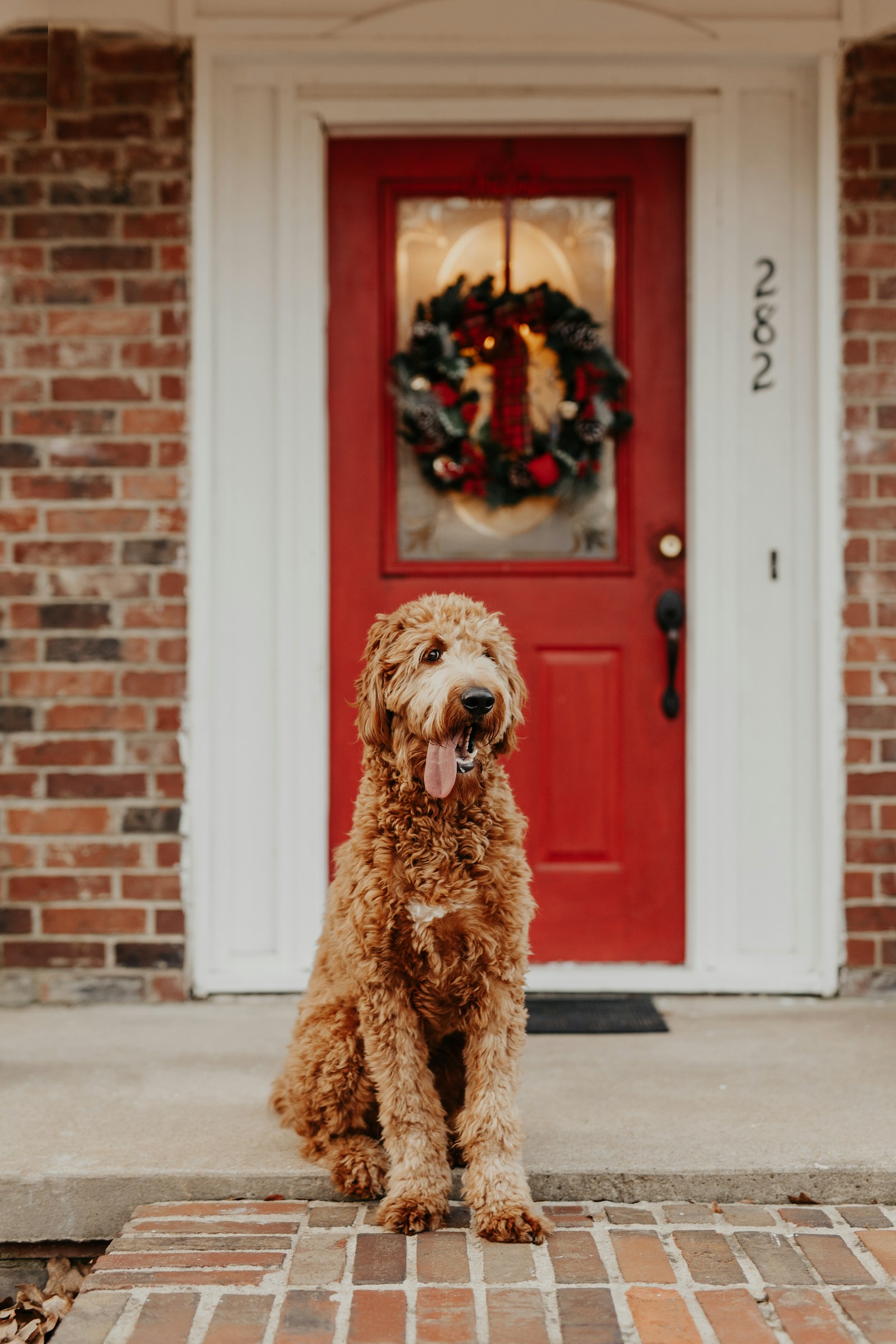
  • Repaint the Front Door: A fresh coat of paint on the front door can make a bold statement. Choose a modern color that complements your home’s exterior, like navy blue, charcoal, or a pop of red.

  • Clean and Repair the Exterior: Power wash your siding, driveway, and walkways to remove dirt and grime. If your home’s exterior paint is chipped or fading, consider repainting or touching it up. Fix any loose or broken shingles, gutters, or shutters.

2. Make Minor Repairs and Updates

Small updates can make a big difference in how buyers perceive your home. Focus on fixing or replacing items that are outdated or in disrepair.

  • Replace Old Hardware: Swap out outdated cabinet handles, drawer pulls, and door knobs for modern finishes like brushed nickel or matte black. This simple update can instantly refresh the look of your kitchen and bathrooms.

  • Fix Leaky Faucets and Broken Fixtures: Make sure that all faucets, showerheads, and light fixtures are working properly. Replace any broken or outdated fixtures with new, energy-efficient models.

  • Repair Cracks and Holes: Patch any cracks in the walls, ceilings, or floors. A home that looks well-maintained will give buyers confidence that they won’t have to spend on repairs.

3. Update the Kitchen and Bathrooms

Kitchens and bathrooms are two of the most important rooms buyers look at when evaluating a home. Making cost-effective updates to these spaces can yield a high return on investment.

  • Upgrade Appliances: If your kitchen appliances are outdated, consider upgrading to stainless steel or energy-efficient models. New appliances can make your kitchen feel more modern and functional.

  • Refresh Cabinets and Countertops: If your budget doesn’t allow for a full kitchen remodel, consider painting or refacing your cabinets. Updating countertops with affordable options like quartz or laminate can also give your kitchen a contemporary look without breaking the bank.

  • Add Modern Fixtures: Swap out old faucets, showerheads, and towel bars in your bathrooms. Consider replacing the vanity or adding a fresh coat of paint to brighten up the space.

4. Increase Energy Efficiency

Homes with energy-efficient features are more appealing to buyers because they offer long-term savings on utility bills. Upgrading your home’s energy efficiency can not only increase its value but also make it more attractive to eco-conscious buyers.

  • Install Energy-Efficient Windows: Replacing old windows with energy-efficient models can improve insulation and reduce heating and cooling

costs. Energy-efficient windows not only help regulate indoor temperature but also enhance the overall comfort of the home, making it more appealing to potential buyers.

  • Upgrade to LED Lighting: Swap out old light bulbs for energy-efficient LED bulbs. These bulbs use less energy, last longer, and can brighten up your home, making it feel more modern and inviting.

  • Seal and Insulate: Ensure that your home is properly insulated and that windows and doors are sealed to prevent drafts. This will make your home more energy-efficient and attractive to buyers looking for lower utility costs.

5. Declutter and Depersonalize

One of the easiest and most cost-effective ways to increase your home’s value is by decluttering and depersonalizing the space. Buyers want to imagine themselves living in the home, and that’s difficult to do if it’s filled with personal items and excess clutter.

  • Remove Personal Items: Take down family photos, personal collections, and anything that could distract buyers from envisioning themselves in the space. Neutralizing the home helps buyers focus on the potential of the property.

  • Organize Closets and Storage Spaces: Buyers are always looking for ample storage, so make sure your closets and storage areas are neat and organized. Consider donating or storing items you no longer need to make these spaces appear larger.

  • Clear Out Unnecessary Furniture: Too much furniture can make rooms feel smaller and cramped. Remove bulky or excess furniture to create a more open and spacious feel throughout the home.

6. Repaint with Neutral Colors

A fresh coat of paint is one of the most cost-effective ways to give your home a facelift. Neutral colors appeal to a wide range of buyers and make rooms feel larger and brighter.

  • Choose Timeless Shades: Opt for light, neutral colors like beige, light gray, or soft white. These colors create a blank canvas that allows buyers to imagine how they would personalize the space.

  • Repaint High-Traffic Areas: Pay special attention to high-traffic areas like the living room, kitchen, and hallways. These areas tend to show more wear and tear, so a fresh coat of paint can make a big difference in how the home is perceived.

7. Stage Your Home

Staging is a powerful tool that can help showcase your home’s best features and make it more appealing to buyers. A well-staged home often sells faster and for a higher price.

  • Highlight Key Features: Arrange furniture in a way that emphasizes the home’s best features, such as a fireplace, large windows, or spacious layout. Staging can help buyers visualize how they would use the space.

  • Add Simple Decor: Use neutral decor items like throw pillows, area rugs, and artwork to add warmth and style to your home without overwhelming potential buyers.

  • Stage Outdoor Spaces: Don’t forget about outdoor areas. Stage your patio, deck, or backyard with comfortable seating or a dining set to show buyers the full potential of your outdoor space.

8. Focus on High-Impact, Low-Cost Improvements

If you’re on a budget, focus on smaller updates that can have a big impact on your home’s value. You don’t need to spend a fortune to make your home more appealing to buyers.

  • Update Lighting Fixtures: Replacing outdated light fixtures with modern, energy-efficient options can make rooms feel brighter and more contemporary.

  • Replace Old Carpeting: If your home has worn or outdated carpet, consider replacing it with fresh, neutral carpeting or upgrading to hardwood or laminate flooring, which are popular among buyers.

  • Add a Backsplash: Installing a simple tile backsplash in the kitchen can make the space feel more polished and up-to-date without a major renovation.

9. Take Care of Major Maintenance Issues

Buyers are often deterred by the prospect of having to deal with costly repairs. Before listing your home, make sure that major maintenance issues are addressed.

  • Fix Roof and Foundation Issues: If your roof or foundation needs repairs, it’s important to address these problems before selling. Buyers may be wary of purchasing a home with significant structural issues.

  • Service HVAC and Plumbing Systems: Make sure your heating, ventilation, and air conditioning (HVAC) systems are in good working order. Consider getting them serviced and providing documentation to buyers for peace of mind.

Conclusion

Increasing your home’s value before selling doesn’t always require extensive renovations or a large budget. By making strategic improvements, focusing on curb appeal, decluttering, and addressing essential maintenance, you can boost your home’s marketability and attract more buyers. Small changes can lead to big returns, helping you sell your home faster and at a higher price. Whether you’re upgrading your kitchen, repainting, or enhancing energy efficiency, these steps can ensure your home stands out and maximizes its value.

Read

🔔 Important Update: Bank of Canada Lowers Policy Rate Again

Bank of Canada reduces policy rate by 50 basis points to 3¾%.

The Bank of Canada today reduced its target for the overnight rate to 3¾%, with the Bank Rate at 4% and the deposit rate at 3¾%. The Bank is continuing its policy of balance sheet normalization.

The Bank continues to expect the global economy to expand at a rate of about 3% over the next two years. Growth in the United States is now expected to be stronger than previously forecast while the outlook for China remains subdued. Growth in the euro area has been soft but should recover modestly next year. Inflation in advanced economies has declined in recent months, and is now around central bank targets. Global financial conditions have eased since July, in part because of market expectations of lower policy interest rates. Global oil prices are about $10 lower than assumed in the July Monetary Policy Report (MPR).

In Canada, the economy grew at around 2% in the first half of the year and we expect growth of 1¾% in the second half. Consumption has continued to grow but is declining on a per person basis. Exports have been boosted by the opening of the Trans Mountain Expansion pipeline. The labour market remains soft—the unemployment rate was at 6.5% in September. Population growth has continued to expand the labour force while hiring has been modest. This has particularly affected young people and newcomers to Canada. Wage growth remains elevated relative to productivity growth. Overall, the economy continues to be in excess supply.

GDP growth is forecast to strengthen gradually over the projection horizon, supported by lower interest rates. This forecast largely reflects the net effect of a gradual pick up in consumer spending per person and slower population growth. Residential investment growth is also projected to rise as strong demand for housing lifts sales and spending on renovations. Business investment is expected to strengthen as demand picks up, and exports should remain strong, supported by robust demand from the United States.

Overall, the Bank forecasts GDP growth of 1.2% in 2024, 2.1% in 2025, and 2.3% in 2026. As the economy strengthens, excess supply is gradually absorbed.

CPI inflation has declined significantly from 2.7% in June to 1.6% in September. Inflation in shelter costs remains elevated but has begun to ease. Excess supply elsewhere in the economy has reduced inflation in the prices of many goods and services. The drop in global oil prices has led to lower gasoline prices. These factors have all combined to bring inflation down. The Bank’s preferred measures of core inflation are now below 2½%. With inflationary pressures no longer broad-based, business and consumer inflation expectations have largely normalized.

The Bank expects inflation to remain close to the target over the projection horizon, with the upward and downward pressures on inflation roughly balancing out. The upward pressure from shelter and other services gradually diminishes, and the downward pressure on inflation recedes as excess supply in the economy is absorbed.

With inflation now back around the 2% target, Governing Council decided to reduce the policy rate by 50 basis points to support economic growth and keep inflation close to the middle of the 1% to 3% range. If the economy evolves broadly in line with our latest forecast, we expect to reduce the policy rate further. However, the timing and pace of further reductions in the policy rate will be guided by incoming information and our assessment of its implications for the inflation outlook. We will take decisions one meeting at a time. The Bank is committed to maintaining price stability for Canadians by keeping inflation close to the 2% target.

Information note

The next scheduled date for announcing the overnight rate target is December 11, 2024. The Bank will publish its next full outlook for the economy and inflation, including risks to the projection, in the MPR on January 29, 2025.

Read

How to Sell Your Home During the Holidays: Tips for a Successful Sale

Selling your home during the holiday season might seem challenging, but it can actually be a great time to attract serious buyers. The festive season often brings out motivated buyers who are eager to find a new home before the new year. With the right strategies, you can make your home stand out and ensure a successful sale, even during the busiest time of the year. Here’s how to sell your home during the holidays.

1. Embrace the Holiday Spirit—But Don’t Overdo It

A little holiday cheer can make your home feel warm and inviting to potential buyers, but it’s important to strike a balance. Too much holiday décor can overwhelm buyers and distract from the features of your home.

  • Keep It Simple: Opt for simple, tasteful decorations that complement your home’s style. A wreath on the door, a few string lights, and a festive centerpiece can create a cozy atmosphere without overwhelming the space.

  • Highlight Key Features: Use decorations to highlight your home’s best features. For example, a garland on a beautiful staircase or candles on a mantel can draw attention to these areas.

  • Avoid Personalization: Keep the décor neutral and avoid overly personalized or religious decorations that might not resonate with all buyers.

2. Price Your Home Competitively

The holiday season is often a busy time for everyone, and buyers may be looking for a good deal. Pricing your home competitively can attract serious buyers who are ready to make a quick decision.

  • Research the Market: Work with your real estate agent to analyze the current market conditions and determine a fair, competitive price for your home.

  • Consider Holiday Incentives: Offering incentives, such as covering closing costs or including appliances in the sale, can make your home more appealing to buyers during the holiday season.

3. Focus on Curb Appeal

First impressions matter, especially during the holidays when the weather may not be as welcoming. Boosting your home’s curb appeal can make a big difference in attracting buyers.

  • Clear Snow and Ice: If you live in a region with snow, make sure to keep walkways, driveways, and stairs clear of snow and ice. This not only improves safety but also creates a more inviting entrance.

  • Add Seasonal Touches: A simple wreath on the front door, a well-lit entryway, or a few potted plants with winter greenery can enhance your home’s curb appeal.

  • Keep Exterior Lights On: With shorter days, buyers may visit your home when it’s dark. Ensure that exterior lights are on and that pathways are well-lit to create a welcoming atmosphere.

4. Be Flexible with Showings

The holiday season is a busy time for everyone, so being flexible with showings can help accommodate serious buyers who may have limited availability.

  • Offer Virtual Tours: Virtual tours can be a great way to showcase your home to buyers who may not be able to visit in person due to holiday commitments or weather conditions.

  • Accommodate Different Schedules: Be open to scheduling showings during evenings or weekends to accommodate buyers’ holiday schedules.

  • Prepare for Last-Minute Showings: Keep your home clean and tidy so that it’s always ready for a last-minute showing. This can be challenging during the holidays, but a little extra effort can pay off.

5. Highlight Winter Features

If your home has features that are particularly attractive in winter, make sure to showcase them during the holiday season.

  • Cozy Up the Interior: Emphasize the warmth and comfort of your home by adding cozy touches like soft throws, plush rugs, and warm lighting. Light a fire in the fireplace if you have one to create a cozy ambiance.

  • Energy Efficiency: Highlight any energy-efficient features, such as new windows, insulation, or a modern heating system. Buyers will appreciate the benefits of a home that stays warm and reduces energy costs during the colder months.

6. Market to Serious Buyers

During the holidays, the buyer pool may be smaller, but those who are looking are often more serious and motivated. Tailor your marketing efforts to attract these buyers.

  • Work with an Experienced Agent: An experienced real estate agent can help you market your home effectively, even during the holiday season. They can target serious buyers and highlight the advantages of buying during this time.

  • Highlight the Benefits of Buying Now: Emphasize the benefits of buying during the holidays, such as less competition from other buyers, potentially lower prices, and the opportunity to settle into a new home before the new year.

7. Create a Warm and Inviting Atmosphere

During showings, it’s important to create an atmosphere that makes buyers feel at home, especially during the cold winter months.

  • Keep the Temperature Comfortable: Make sure your home is warm and comfortable during showings. If your home is chilly, buyers may be less inclined to stay and explore.

  • Bake Holiday Treats: The smell of freshly baked cookies or cinnamon can create a warm, inviting atmosphere that appeals to buyers’ senses.

  • Play Soft Music: Playing soft, neutral holiday music in the background can enhance the cozy feel of your home without being too distracting.

8. Plan for Winter Challenges

Winter weather can present unique challenges when selling your home during the holidays. Plan ahead to address any potential issues.

  • Prepare for Winter Storms: Have a plan in place in case of winter storms. Ensure that snow removal services are scheduled, and consider offering covered parking for potential buyers during showings.

  • Protect Your Floors: Place doormats and rugs at entryways to protect your floors from wet, muddy, or snowy shoes. Consider providing shoe covers for buyers during showings.

Conclusion

Selling your home during the holidays may require a bit more effort, but it can also offer unique opportunities to attract serious buyers who are ready to make a move. By embracing the holiday spirit in moderation, pricing your home competitively, and creating a warm, welcoming atmosphere, you can make your home stand out and ensure a successful sale. With careful planning and the right strategies, you can turn the holiday season into the perfect time to sell your home and start the next chapter of your life.

Read

Downsizing: How to Make the Transition Smooth and Stress-Free

Whether you’re an empty nester, looking to simplify your lifestyle, or just wanting to reduce your living expenses, downsizing can be a liberating experience. However, the process of moving to a smaller home can also be daunting and emotionally challenging. With careful planning and the right mindset, you can make the transition smooth and stress-free. Here’s how to approach downsizing with confidence and ease.

1. Start with a Clear Plan

Downsizing requires careful planning to ensure a successful move. Begin by creating a detailed plan that outlines your goals, timeline, and key tasks.

  • Set Your Goals: Determine why you’re downsizing and what you hope to achieve. Whether it’s reducing maintenance, cutting costs, or simply decluttering, having clear goals will guide your decisions throughout the process.

  • Establish a Timeline: Set a realistic timeline for your move, giving yourself enough time to sort through belongings, sell or donate items, and prepare your new home.

  • Make a Checklist: Create a checklist of tasks, such as notifying utility companies, hiring movers, and updating your address. This will help you stay organized and on track.

2. Declutter with Purpose

One of the most challenging aspects of downsizing is deciding what to keep and what to let go of. Approach decluttering with purpose by focusing on what truly matters to you.

  • Start Early: Begin decluttering as early as possible to avoid feeling rushed. Tackle one room at a time, starting with less frequently used spaces like the attic or basement.

  • Use the "Four-Box" Method: As you go through your belongings, sort items into four categories: Keep, Donate, Sell, and Discard. This method helps you stay organized and make decisions more easily.

  • Ask the Right Questions: When deciding whether to keep an item, ask yourself if it serves a purpose, holds sentimental value, or fits in your new space. If not, it may be time to let it go.

  • Digitize Memories: Consider digitizing photos, documents, and other sentimental items to preserve memories without taking up physical space.

3. Optimize Your New Space

When downsizing, it’s important to make the most of your new, smaller space. Thoughtful planning can help you maximize both functionality and comfort.

  • Measure Your New Space: Before moving, measure the rooms in your new home and compare them to your current furniture. This will help you determine what will fit and what may need to be replaced.

  • Invest in Multi-Functional Furniture: Look for furniture that serves multiple purposes, such as a sofa bed, storage ottoman, or fold-out dining table. These pieces can save space while still meeting your needs.

  • Embrace Vertical Storage: Utilize vertical storage solutions like tall bookshelves, wall-mounted cabinets, and hanging organizers to keep your new space tidy and efficient.

  • Personalize Your Space: Even in a smaller home, you can make the space feel like your own. Bring along your favorite décor, artwork, and personal items that make you feel comfortable and at home.

4. Manage the Emotional Aspect

Downsizing can be an emotional journey, especially if you’re leaving a home filled with memories. Acknowledge these feelings and find ways to manage them.

  • Focus on the Positive: Remind yourself of the benefits of downsizing, such as lower costs, less maintenance, and the opportunity for a fresh start. Focusing on the positives can help ease the emotional impact.

  • Involve Loved Ones: If possible, involve family members or close friends in the process. They can provide support, help you make decisions, and share in the memories as you sort through belongings.

  • Create New Traditions: While you may be saying goodbye to your old home, you can create new traditions and memories in your new space. Host a housewarming party, plant a new garden, or explore your new neighborhood to start fresh.

5. Seek Professional Help if Needed

Sometimes, downsizing can feel overwhelming, and seeking professional help can make the process easier.

  • Hire a Professional Organizer: If you’re struggling with decluttering or organizing, consider hiring a professional organizer. They can provide expert guidance and support, making the process more manageable.

  • Work with a Real Estate Agent: A real estate agent experienced in downsizing can help you find the perfect smaller home that meets your needs and budget.

  • Consider a Moving Company: Hiring a reputable moving company can alleviate the stress of packing, transporting, and unpacking your belongings. They can also help with heavy lifting and logistics.

6. Plan for the Future

Downsizing is a great opportunity to plan for the future and ensure your new home meets your long-term needs.

  • Think About Accessibility: If you’re downsizing as part of retirement planning, consider the accessibility of your new home. Look for features like single-story living, wide doorways, and step-free entrances that can accommodate changing mobility needs.

  • Prepare for Lifestyle Changes: Consider how your lifestyle might change in a smaller space. For example, you may need to adjust how you entertain guests, store seasonal items, or engage in hobbies.

Conclusion

Downsizing doesn’t have to be a stressful or overwhelming experience. With a clear plan, thoughtful decluttering, and a positive mindset, you can make the transition to a smaller home smooth and rewarding. Remember, downsizing is not just about letting go of physical space, but also about embracing a simpler, more manageable lifestyle that allows you to focus on what truly matters. Take your time, seek help if needed, and enjoy the fresh start that comes with your new, streamlined living space.

Read

How to Prepare for a Home Inspection as a Seller: A Comprehensive Guide

Selling your home can be an exciting yet stressful process, and one crucial step in the journey is the home inspection. For many buyers, the inspection report can be a make-or-break moment that influences their decision to move forward with the purchase. As a seller, being well-prepared for this inspection is key to ensuring a smooth transaction. Here’s how you can prepare for a home inspection and set yourself up for success.

1. Understand the Importance of a Home Inspection

A home inspection is a thorough evaluation of your property conducted by a professional inspector, usually hired by the buyer. The inspector will assess the condition of the home’s major systems and structure, including the roof, foundation, plumbing, electrical, heating and cooling systems, and more. The purpose of this inspection is to identify any existing or potential issues that could affect the home’s value or the buyer’s safety.

2. Declutter and Clean Your Home

Before the inspection, take the time to declutter and thoroughly clean your home. A clean and organized space not only makes a positive impression but also allows the inspector easy access to all areas of the home.

  • Clear Access to Key Areas: Ensure that the inspector can easily access the attic, basement, crawl spaces, electrical panels, furnace, and water heater. Remove any obstacles or stored items that might block these areas.

  • Tidy Up the Yard: Trim bushes, cut the grass, and clear any debris from the yard. Make sure that outdoor structures, like sheds or decks, are also clean and accessible.

3. Address Minor Repairs

Minor repairs can add up, and even small issues can make a big impact on the inspection report. Take the time to fix any small problems around the house:

  • Leaky Faucets: Fix any dripping faucets or running toilets.

  • Squeaky Doors: Lubricate squeaky hinges and ensure all doors close properly.

  • Burned-Out Bulbs: Replace any burned-out light bulbs to ensure all fixtures are working.

  • Cracks in Walls: Patch up small cracks in walls or ceilings, and touch up paint where necessary.

  • Loose Handrails: Tighten any loose handrails on stairs or porches.

4. Take Care of Major Repairs in Advance

If you’re aware of any significant issues with your home, such as a leaky roof, outdated electrical wiring, or foundation cracks, it’s wise to address these before the inspection. While this may involve a larger upfront cost, it can prevent more substantial negotiations or even the potential loss of a sale down the line.

  • Roof Repairs: If your roof has leaks, missing shingles, or other issues, consider having it repaired or replaced before the inspection.

  • HVAC Maintenance: Have your heating and cooling systems serviced by a professional to ensure they are in good working order.

  • Plumbing and Electrical: Fix any known plumbing leaks, and ensure your electrical system is up to code, with no exposed wires or faulty outlets.

5. Provide Documentation for Repairs and Maintenance

Gather all documentation related to repairs and maintenance you’ve completed on the home. This could include receipts for roof repairs, HVAC servicing, or appliance warranties. Providing this documentation to the inspector and buyer shows that you’ve taken good care of the property, which can help build trust and reduce concerns.

6. Check and Test All Safety Features

Ensure that all safety features in your home are functioning properly:

  • Smoke and Carbon Monoxide Detectors: Test all smoke and carbon monoxide detectors to make sure they are working correctly. Replace batteries if needed.

  • Fire Extinguishers: Ensure that fire extinguishers are easily accessible and up to date.

  • GFCI Outlets: Test ground fault circuit interrupter (GFCI) outlets in kitchens, bathrooms, and outdoor areas to ensure they are functioning correctly.

7. Make Necessary Utility Arrangements

Ensure that all utilities (electricity, gas, water) are turned on and working during the inspection. This allows the inspector to fully evaluate the property’s systems.

  • Pilot Lights: Make sure pilot lights are lit in the furnace, water heater, and gas fireplaces so that these systems can be tested.

  • Appliance Access: Ensure that built-in appliances, like dishwashers, ovens, and microwaves, are connected and functioning.

8. Prepare for the Inspector’s Arrival

On the day of the inspection, make it easy for the inspector to do their job:

  • Provide Keys or Access Codes: If any areas of your home require a key or code to access, such as a locked shed or gated area, provide these to the inspector.

  • Leave the Property: It’s generally recommended that sellers leave the home during the inspection to allow the inspector to work without interruptions. If you have pets, take them with you or ensure they are secured.

9. Be Ready for Follow-Up Negotiations

Even with thorough preparation, the inspection may reveal issues that need to be addressed. Be prepared for follow-up negotiations with the buyer. They may request repairs, a price reduction, or a credit at closing. Approach these negotiations with an open mind and a willingness to compromise to keep the sale on track.

Conclusion

Preparing for a home inspection as a seller is about more than just fixing what’s broken; it’s about presenting your home in the best possible light. By taking the time to clean, make repairs, and ensure everything is in good working order, you can reduce the likelihood of surprises during the inspection and make the selling process smoother for everyone involved. A well-prepared home not only makes a positive impression on the buyer but also helps to avoid delays and complications in the closing process.

Take these steps to ensure your home inspection goes off without a hitch, and you’ll be one step closer to successfully selling your home.

Read

Decoding Real Estate Jargon: A Guide to Common Terms and What They Mean

If you’re new to the real estate market, the industry’s jargon can sometimes feel like a foreign language. From acronyms to technical terms, understanding real estate terminology is essential for making informed decisions whether you’re buying, selling, or investing in property. This guide breaks down common real estate jargon so you can navigate the process with confidence.

1. Appraisal

An appraisal is an evaluation of a property’s market value, conducted by a licensed appraiser. This assessment is based on factors such as the home’s condition, location, and recent sales of similar properties in the area. Lenders use appraisals to determine the amount they’re willing to lend for a mortgage.

Why It Matters: A low appraisal can affect your ability to secure financing, or it may require renegotiating the purchase price with the seller.

2. Closing Costs

Closing costs are the fees and expenses that buyers and sellers must pay at the closing of a real estate transaction. These costs can include loan origination fees, title insurance, attorney fees, appraisal fees, and more. They typically range from 2% to 5% of the home’s purchase price.

Why It Matters: Understanding closing costs helps you budget more accurately for your home purchase. Some costs may be negotiable, so it’s important to review them carefully.

3. Contingency

A contingency is a condition that must be met for a real estate contract to become binding. Common contingencies include home inspections, appraisals, and financing approval. If a contingency is not met, the buyer or seller may have the option to back out of the contract without penalty.

Why It Matters: Contingencies protect both buyers and sellers by ensuring that certain conditions are satisfied before the sale is finalized.

4. Earnest Money

Earnest money is a deposit made by a buyer to show their serious intent to purchase a property. This money is typically held in escrow and applied to the purchase price at closing. If the deal falls through due to the buyer’s fault, the seller may keep the earnest money.

Why It Matters: Earnest money is a sign of good faith and can strengthen your offer in a competitive market.

5. Escrow

Escrow is a neutral third party that holds funds or documents during a real estate transaction until all conditions of the sale are met. Once everything is in order, the escrow agent releases the funds to the appropriate parties and facilitates the closing process.

Why It Matters: Escrow ensures that both buyers and sellers fulfill their contractual obligations before money and property change hands.

6. Fixed-Rate vs. Adjustable-Rate Mortgage (ARM)

A fixed-rate mortgage has an interest rate that remains the same for the life of the loan, resulting in consistent monthly payments. An adjustable-rate mortgage (ARM), on the other hand, has an interest rate that can change periodically based on market conditions.

Why It Matters: Understanding the difference helps you choose the right mortgage type based on your financial situation and long-term plans.

7. Home Inspection

A home inspection is an examination of a property’s condition, usually conducted by a certified inspector. The inspection covers essential aspects of the home, such as the roof, foundation, plumbing, electrical systems, and more.

Why It Matters: A home inspection can reveal potential issues with the property that may need to be addressed before the sale is finalized, or it could be grounds for renegotiating the purchase price.

8. MLS (Multiple Listing Service)

The Multiple Listing Service (MLS) is a database used by real estate agents to list properties for sale. It provides comprehensive information about available properties, including photos, descriptions, and details about the neighborhood.

Why It Matters: Access to the MLS gives buyers a wide range of property options, while sellers benefit from increased exposure.

9. Pre-Approval vs. Pre-Qualification

Pre-qualification is an informal process where a lender estimates how much you might be able to borrow based on basic financial information you provide. Pre-approval, on the other hand, is a more formal process where the lender reviews your credit, income, and assets to determine the exact loan amount you’re approved for.

Why It Matters: A pre-approval carries more weight than a pre-qualification when making an offer on a home, as it shows sellers that you’re a serious buyer with financing in place.

10. Title Insurance

Title insurance protects buyers and lenders from financial losses due to defects in the title, such as liens, encumbrances, or ownership disputes. There are two types: lender’s title insurance (required by the lender) and owner’s title insurance (optional but recommended).

Why It Matters: Title insurance ensures that you have clear ownership of the property and protects you from legal claims that could arise after the purchase.

11. Underwriting

Underwriting is the process a lender uses to assess the risk of offering a mortgage loan. During underwriting, the lender reviews your credit history, income, assets, and other financial information to determine if you qualify for the loan and what terms to offer.

Why It Matters: The underwriting process can affect the approval of your mortgage and the interest rate you receive.

12. Amortization

Amortization is the process of gradually paying off a mortgage over time through regular payments that cover both principal and interest. An amortization schedule breaks down each payment, showing how much goes toward interest and how much goes toward reducing the principal balance.

Why It Matters: Understanding amortization helps you see how your payments impact your loan balance over time and how you can save on interest by making extra payments.

Conclusion

Real estate jargon can be confusing, but having a solid grasp of these common terms can make the buying or selling process much smoother. Whether you’re entering the market for the first time or simply looking to brush up on your knowledge, understanding the language of real estate empowers you to make confident decisions. The more familiar you are with these terms, the better equipped you’ll be to navigate your real estate journey.


By decoding the jargon, you can approach your real estate transactions with greater clarity and confidence. Remember, knowledge is power—especially in real estate!

Read

🔔 Important Update: Bank of Canada Lowers Policy Rate Again

The Bank of Canada today reduced its target for the overnight rate to 4¼%, with the Bank Rate at 4½% and the deposit rate at 4¼%. The Bank is continuing its policy of balance sheet normalization.

The global economy expanded by about 2½% in the second quarter, consistent with projections in the Bank’s July Monetary Policy Report (MPR). In the United States, economic growth was stronger than expected, led by consumption, but the labour market has slowed. Euro-area growth has been boosted by tourism and other services, while manufacturing has been soft. Inflation in both regions continues to moderate. In China, weak domestic demand weighed on economic growth. Global financial conditions have eased further since July, with declines in bond yields. The Canadian dollar has appreciated modestly, largely reflecting a lower US dollar. Oil prices are lower than assumed in the July MPR. 

In Canada, the economy grew by 2.1% in the second quarter, led by government spending and business investment. This was slightly stronger than forecast in July, but preliminary indicators suggest that economic activity was soft through June and July. The labour market continues to slow, with little change in employment in recent months. Wage growth, however, remains elevated relative to productivity.

As expected, inflation slowed further to 2.5% in July. The Bank’s preferred measures of core inflation averaged around 2 ½% and the share of components of the consumer price index growing above 3% is roughly at its historical norm. High shelter price inflation is still the biggest contributor to total inflation but is starting to slow. Inflation also remains elevated in some other services.

With continued easing in broad inflationary pressures, Governing Council decided to reduce the policy interest rate by a further 25 basis points. Excess supply in the economy continues to put downward pressure on inflation, while price increases in shelter and some other services are holding inflation up. Governing Council is carefully assessing these opposing forces on inflation. Monetary policy decisions will be guided by incoming information and our assessment of their implications for the inflation outlook. The Bank remains resolute in its commitment to restoring price stability for Canadians.

Information note

The next scheduled date for announcing the overnight rate target is October 23, 2024. The Bank will publish its next full outlook for the economy and inflation, including risks to the projection, in the MPR at the same time.

Read

Essential Seasonal Maintenance Tips to Keep Your Home in Top Shape Year-Round

Owning a home comes with the responsibility of regular maintenance to ensure everything stays in good working order. Seasonal maintenance not only helps you avoid costly repairs but also keeps your home comfortable and energy-efficient throughout the year. Here are some essential seasonal maintenance tips to keep your home in top shape, no matter the time of year.

Spring Maintenance Tips

Spring is the perfect time to refresh your home after the harsh winter months. Here’s how to get your home ready for the warmer seasons:

  1. Inspect Your Roof: Check for loose or missing shingles, and look for any signs of damage that may have occurred during the winter. Repair any issues to prevent leaks during spring showers.

  2. Clean Gutters and Downspouts: Clear out leaves and debris from gutters and downspouts to ensure proper drainage. This will help prevent water damage to your home’s foundation.

  3. Service Your HVAC System: Before the heat of summer arrives, schedule a professional HVAC inspection and service. Replace filters and check for any issues that could impact your system’s efficiency.

  4. Check Windows and Doors: Inspect windows and doors for drafts, and replace weather stripping if needed. This will help keep your home energy-efficient and comfortable.

  5. Test Smoke and Carbon Monoxide Detectors: Replace batteries and test all smoke and carbon monoxide detectors to ensure they are functioning properly.

  6. Spruce Up Your Landscaping: Trim trees and shrubs, clean up flower beds, and consider adding mulch to help retain moisture during the hotter months.

Summer Maintenance Tips

Summer is all about enjoying the outdoors, but it’s also a good time to tackle some home maintenance tasks that will keep your property looking great and functioning smoothly:

  1. Inspect Your Deck or Patio: Check for any signs of wear or damage, such as loose boards or cracks in the concrete. Clean and seal your deck to protect it from the elements.

  2. Check for Pests: Summer is peak time for pests like ants, termites, and mosquitoes. Inspect your home’s exterior for any signs of infestations and take preventive measures to keep pests at bay.

  3. Clean and Repair Your Siding: Power wash your siding to remove dirt and mildew. Check for any damage and make necessary repairs to keep your home’s exterior in good condition.

  4. Examine Your Irrigation System: Test your sprinkler system to ensure it’s working properly and adjust settings as needed. Check for leaks and repair any damaged sprinkler heads.

  5. Maintain Your Pool: If you have a pool, clean and maintain it regularly throughout the summer. Check chemical levels and ensure your pool equipment is functioning properly.

  6. Inspect Your Attic and Basement: Summer is a good time to check for any signs of moisture or mold in your attic and basement. Address any issues immediately to prevent long-term damage.

Fall Maintenance Tips

As the weather begins to cool down, it’s time to prepare your home for the upcoming winter. Fall maintenance focuses on protecting your home from the elements and ensuring your heating system is ready to go:

  1. Clean Your Chimney and Fireplace: If you have a wood-burning fireplace, schedule a chimney cleaning and inspection. This will help prevent chimney fires and ensure your fireplace is safe to use.

  2. Service Your Furnace: Before the cold weather sets in, have your furnace inspected and serviced by a professional. Replace filters and make sure the system is working efficiently.

  3. Seal Gaps and Cracks: Inspect your home’s exterior for any gaps or cracks, especially around windows and doors. Seal them with caulk or weather stripping to keep cold air out.

  4. Clean and Store Outdoor Furniture: Clean and store outdoor furniture, grills, and other summer items to protect them from the elements.

  5. Drain and Winterize Irrigation Systems: Drain and shut off your sprinkler system to prevent pipes from freezing during the winter months.

  6. Check Your Roof and Gutters Again: Fall is another good time to inspect your roof and clean out gutters to ensure proper drainage during rainy and snowy weather.

Winter Maintenance Tips

Winter can be harsh on your home, so it’s important to take steps to protect it from the cold and snow. Here’s how to keep your home safe and warm during the winter months:

  1. Prevent Frozen Pipes: Insulate pipes in unheated areas, such as basements and crawl spaces. During extreme cold, let faucets drip to prevent pipes from freezing.

  2. Inspect Your Insulation: Check your attic and walls for adequate insulation. Proper insulation can help keep your home warm and reduce heating costs.

  3. Maintain Your Heating System: Regularly check your heating system and replace filters as needed. If you use a space heater, follow safety guidelines to prevent fires.

  4. Check for Ice Dams: After heavy snowfall, check your roof for ice dams, which can cause leaks and water damage. Use a roof rake to remove snow from the roof's edge.

  5. Stock Up on Winter Supplies: Keep essential winter supplies on hand, such as salt, shovels, and snow blowers, to help you manage snow and ice around your property.

  6. Test Your Sump Pump: If you have a basement, test your sump pump to ensure it’s working properly. A malfunctioning sump pump can lead to basement flooding during winter thaws.

Conclusion

Seasonal maintenance is essential for keeping your home in top shape and preventing costly repairs down the road. By following these seasonal tips, you can ensure your home is ready to handle whatever the weather brings, while also maintaining its value and comfort. Remember, regular maintenance is the key to a happy, healthy home year-round.


By staying on top of these seasonal maintenance tasks, you’ll keep your home in great condition and enjoy peace of mind knowing you’re well-prepared for any season. Happy home maintenance!

Read

Expert Home Selling Advice: How to Sell Your Home Quickly and Profitably

Selling your home can be both exciting and stressful. Whether you're upgrading, downsizing, or moving to a new area, getting the best price for your property in the shortest amount of time is likely a top priority. Here are some expert tips to help you navigate the home selling process smoothly and successfully.

1. Understand the Market

Before listing your home, take time to understand the current real estate market in your area. Is it a buyer’s market or a seller’s market? Research recent sales of comparable homes in your neighborhood to get an idea of what your home might sell for. This will help you set a realistic and competitive price.

2. Choose the Right Real Estate Agent

A skilled real estate agent can be a game-changer when selling your home. Look for an agent with a strong track record in your area and excellent references. They can provide valuable insights into pricing, marketing strategies, and negotiations.

3. Set the Right Price

Pricing your home correctly from the start is crucial. Overpricing can lead to your home sitting on the market for too long, while underpricing can leave money on the table. Your real estate agent can help you determine a fair and competitive price based on market analysis.

4. Boost Your Home’s Curb Appeal

First impressions matter. Enhance your home’s curb appeal by ensuring the exterior is clean, well-maintained, and inviting. Simple improvements like fresh paint, new landscaping, and a tidy lawn can make a big difference.

5. Stage Your Home for Success

Staging your home can help potential buyers envision themselves living there. Declutter and depersonalize your space by removing personal items and excess furniture. Consider hiring a professional stager to highlight your home’s best features and create an appealing atmosphere.

6. Make Necessary Repairs

Address any necessary repairs before listing your home. Fixing leaky faucets, broken tiles, and squeaky doors can prevent potential buyers from being turned off by minor issues. A pre-inspection can help identify areas that need attention.

7. Professional Photography and Virtual Tours

High-quality photos and virtual tours are essential for attracting buyers online. Most buyers start their home search on the internet, so having professional images and a virtual tour can make your listing stand out. Ensure the photos highlight your home’s best features and capture each room in the best light.

8. Market Your Home Effectively

Work with your real estate agent to create a comprehensive marketing plan. This should include listing your home on multiple real estate websites, social media promotion, and traditional methods like flyers and open houses. A well-rounded marketing strategy will increase your home’s visibility and attract more potential buyers.

9. Be Flexible with Showings

Make your home as accessible as possible for showings. Be prepared for last-minute requests and keep your home clean and ready for potential buyers to tour. The more flexible you are with showings, the more opportunities you’ll have to sell your home quickly.

10. Negotiate Offers Wisely

When offers start coming in, review them carefully with your real estate agent. Consider not just the price, but also the terms and contingencies. Be prepared to negotiate to reach an agreement that works for both you and the buyer. Your agent can guide you through this process to ensure you get the best deal possible.

11. Prepare for the Closing Process

Once you’ve accepted an offer, you’ll enter the closing process. This involves completing paperwork, scheduling inspections, and potentially making final repairs. Work closely with your real estate agent and attorney to ensure a smooth and timely closing.

Conclusion

Selling your home doesn’t have to be overwhelming. By understanding the market, pricing your home correctly, and making it as appealing as possible, you can attract serious buyers and sell your home quickly and profitably. With the right preparation and a skilled real estate agent by your side, you’ll be well on your way to a successful sale.


By following these tips, you'll be able to navigate the home selling process with confidence and achieve the best possible outcome. Happy selling!

Read
Categories:   $400k | $500k | $50k Savings | $600k | $700k | $800k | 105 Champagne Ave | 2026 | Activities | Advice | Affordable | AI | AirBnB | Ajax | Algonquin College | All Four Seasons | All you can eat | Alta Vista | Another Province | Apartment | Arnprior | Arnprior Real Estate | August | Autumn | Available Programs | AYCE | Back to School | Bakery | Bank of Canada Rate Announcement | Barrhaven | Barrhaven Downtown, Barrhaven - Strandherd Real Estate | Barrhaven East | Barrhaven West | Bayshore | Beacon Hill South | Beechwood Village | Beers | Best | Best Beer | Best Biking Paths | Best Cities To Live | Best Coffee Shops in Ottawa | Best IndianDesi Food | Best Local | Best Neighbourhoods | Best Patio | Best Pizza | Best Schools | Best Study Spots | Best Taco Spots | Best Travel Destinations 2026 | Best Walking Paths | Bidding Wars | Bilingual | Boom City | Booming | Boring | Boundary Expansion | Brampton | Branding | Britannia Village | BRRRR Strategy | Bucket List | Budget | Budgeting | Build-to-Rent | Building | Bungalow | Burlington | Busing | Buyers Market | Buying | Byward Market | Byward Market, Lower Town Real Estate | Byward Market/Lower Town, Sandy Hill Real Estate | Cafe | Calgary | Canada Day | Cap Rates | Car-Free | Caribbean Food | Carleton Place | Carleton University | Carlington | Carlsbad Springs | Carp | Central 1 | Centretown | Centretown West | Centretown, Ottawa Centre Real Estate | CFB Rockcliffe and Area, Manor Park - Cardinal Glen and A Real Estate | CFB Rockcliffe and Area, Manor Park - Cardinal Glen Real Estate | Changing | Changing Real Estate | Chapel Hill | Cheapest Places | Checklist | CHEO | Childcare | Chinatown | Christmas | Civc Hospital | Civic Hospital | Clients | Climate Goals | Closing Costs | Coffee Shop | Communities | Commuting | Compared | Condo Fees | Condos | Confluence Park | Convent Glen and Area, Orleans Real Estate | Cost of Living | Cottage | Country | Credit Score | Date Night | Day in the Life | Decoration | Detached Home | Divorce | Dog Friendly | Dow's Lake | Dow's Lake/Little Italy, Dow's Lake/Little Italy Real Estate | Dow's Lake/Little Italy, West Centre Town Real Estate | Dow's Lake/Little Italy/Civic Hospital and Area, West Centre Town Real Estate | Down Payment | Downsizing | Downtown | Dows Lake - Civic Hospital and Area (4502 - West Centre Town) Real Estate | Dows Lake/Little Italy, West Centre Town Real Estate | Drake | Driving | Duplex | East End | Eco-Friendly | Embrun | Expenses | Expensive | Fall | Family | Family Friendly | Farmer's Market | Fastest Growing Neighbourhoods | Ferrari | Final Walkthrough | Finance | Findlay Creek | Findlay Creek, Leitrim Real Estate | First Apartment | First-Time Buyer | Fitness Studio | Fixer-Upper | Flipping Homes | Food | For Sale | Foreclosure | Freehold | French-Friendly | Friends | Fun | Future | Gatineau | Glebe | Gloucester Glen | Golden Triangle | Good | Gotham | Government Worker | Greely | Growing | GTHA | Guide | Gym | Half Moon Bay | Half Moon Bay - Strandherd, Barrhaven Real Estate | Hamilton | Happy Hour | Heat | Heat Pump | Hidden Gems | Hiking Trails | Hintonburg | Hiring a real estate agent | Historic | History Ottawa | Holiday Spirit | Holidays | Home Business | Home Inspection | Home Office | Home Staging | Homes | Homes on the Canal | Housing Correction | How Much Income Is Needed? | How much is my Ottawa Home Worth? | How To Get Around The City | How to Stay Cool | HST Rebate | Hunt Club | Hurdman | Immigrants | Immigration | In-Person Showings | Income Needed | Infrastructure | Instagram | Interest Rates | International Student | Investing | Investment Property | Kanata | KBBQ | Kemptville | Korean BBQ | Labour Day | Land Transfer Tax (LTT) | Land Values | Landlords | Lawyer | Layout | Leads | Lease | Lebreton Flats | Legal Checklist | Life in Ottawa | Lifestyle | Listing | Little Italy | Living Alone | Living Along | Living Comfortable | Living Costs | Living In | Living in Ottawa | Local | Lowertown | Lowertown/Byward Market, Lowertown/Byward Market Real Estate | LRT | Luxury Homes | Luxury Living | Manotick | Market | Market Advice | Market Data | Market Trends | Market Update | Mechanicsville | Meeting Clients | Mississauga | Mistakes | Mixed-Use | Montreal | Mortgage | Most | Most Overated | Mothers Day | Move | Move-In Ready | Moving | Moving From | Moving To | Multi-Family | Multi-Generational | Munster - Richmond, Stittsville Real Estate | National Day for Truth and Reconciliation | Nature | Negotiation | Neighborhoods | Neighbourhoods | New Canadian | New Construction | New Edinburgh | New Immigrant | New Real Estate Agent | New Realtor | New Resident | New Venue | New-Builds | Newcomer | Next 5 Years | Night Life | North Gower | O-Train | Oakville | Old Ottawa East | Old Ottawa South | Old Ottawa West | Oldest | Open House | Orleans | Orleans South | Oshawa | Ottawa | Ottawa Centre, Centretown Real Estate | Ottawa East/Greystone Village, Ottawa East/Greystone Village Real Estate | Ottawa Population | Ottawa rea | Ottawa Real Estate | Ottawa River | Over Pricing | Overbrook | Parents | Parking | Parks | Parkwood Hills | Part-time Jobs | Patio Season | Peaceful | Pet-Friendly | Petrie Island | Photography | Pickering | Places | Playfair Park, Alta Vista Real Estate | Pre-Approval | Pre-Construction | Pre-List | Price Your Home | Privacy | Professionals | Property Tax | Pros & Cons | Protect Your Home | Public Transportation | Queensway Terrace | Questions | Quiet | Raising Kids | Real Estate Agent | Real Estate Broker | Real Estate Brokerage | Real Estate Lawyer | Red Flags | Regret | Relocation | Remote Workers | Renovate | Renovation | Rent vs. Buy | Rental | Renting | Resale | Restaurant | Retirement | Rideau | Rideau Canal | Rinks | Riverside South | Rockcliffe | Rockland | Rowhomes | Rural | Russell | Safe | Sandy Hill | Sandy Hill, Lower Town Real Estate | Save | Savings | Scenic Drives | Schools | Seasons | Secret | Seller | Selling | September | Shawarma | Shopping Mall | Single Family Home | Single Home | Skating | Smart Home | SOBA | Solo | Somerset | South Keys | Southvale | Space | Spring | Spring Market | St. Catherines | Starter | Stay | Still Worth It? | Stittsville | Stoney Creek | Stress-Test | Student Housing | Student Rentals | Students | Studying | Suburb | Successful Habits | Summer | Summer Hone | Sunsets | Surprise | Sushi | Switching | Team | Tenants | Thai Food | The Bowery | Things To Do | Thunderstorm | Time Management | Tips | To-Do | Top-Producing Realtor | Toronto | Touring | Townhomes | Townhouse | Transit | Transportation | Trends | Tribeca | Tunney's Pasture | University | University of Ottawa | Upgrades | Urban Living | Vacation Rental | Valentines Day | Vancouver | Vanier | Vars | Viewing | Virtual Tours | Vs. | Walkable | Walking | Walks | Wealth | Weekend Getaways | West End | Westboro | WFA | WFH | What $1,000m gets you | What $1.3M Gets You In Ottawa | What are we known for? | What does it get you? | What to do this weekend? | What to know | Where Do Students Live? | Where is Ottawa Building? | Which city is better to live in? | Which is better to live in? | Which is better? | Whitby | Wine | Wing Deals | Wing Night | Winter | Work From Home | Work Life Balance | Workforce Adjustment | Would You Live Here? | Zoning
The trademarks REALTOR®, REALTORS®, and the REALTOR® logo are controlled by The Canadian Real Estate Association (CREA) and identify real estate professionals who are member’s of CREA. The trademarks MLS®, Multiple Listing Service® and the associated logos are owned by CREA and identify the quality of services provided by real estate professionals who are members of CREA. Used under license.