
RSS

Living in Ottawa Through All Four Seasons – What It’s Really Like

Introduction – A City Defined by Its Seasons

Ottawa is one of those cities where the seasons don’t quietly change—they announce themselves. From hot, festival-filled summers to snowy, postcard-worthy winters, living in Ottawa means experiencing all four seasons fully and distinctly.

For newcomers, future residents, and even longtime locals, understanding what daily life feels like throughout the year is essential. This guide explains what it’s really like living in Ottawa through all four seasons, beyond the weather forecasts.


1. Spring in Ottawa – A City Coming Back to Life

Weather & Daily Life

Spring in Ottawa typically runs from late March to May. It’s a season of transition:

  • Melting snow and muddy paths early on

  • Gradually warmer days

  • Cool evenings well into May

Spring can feel unpredictable, but it brings a noticeable sense of optimism across the city.

Spring Activities & Lifestyle

As the snow disappears:

  • Patios reopen

  • Cyclists return

  • Parks and pathways fill up

Events like the Canadian Tulip Festival highlight how much Ottawa residents appreciate spring after a long winter.


2. Summer in Ottawa – Festivals, Patios & Nature

Weather & Day-to-Day Living

Summers in Ottawa are warm and often humid:

  • Daytime highs regularly reach the mid-to-high 20s°C

  • Occasional heat waves

  • Thunderstorms provide quick relief

Air conditioning becomes important, especially in apartments and older homes.

Summer Events & Outdoor Life

Summer is when Ottawa truly shines:

  • Weekend festivals almost every week

  • Packed patios along Bank Street, Elgin, and Westboro

  • Kayaking, cycling, hiking, and beach days

Long daylight hours make the city feel vibrant and social.


3. Fall in Ottawa – Colours, Comfort & Community

Weather & Seasonal Rhythm

Fall is many residents’ favourite season:

  • Crisp air

  • Cooler nights

  • Comfortable daytime temperatures

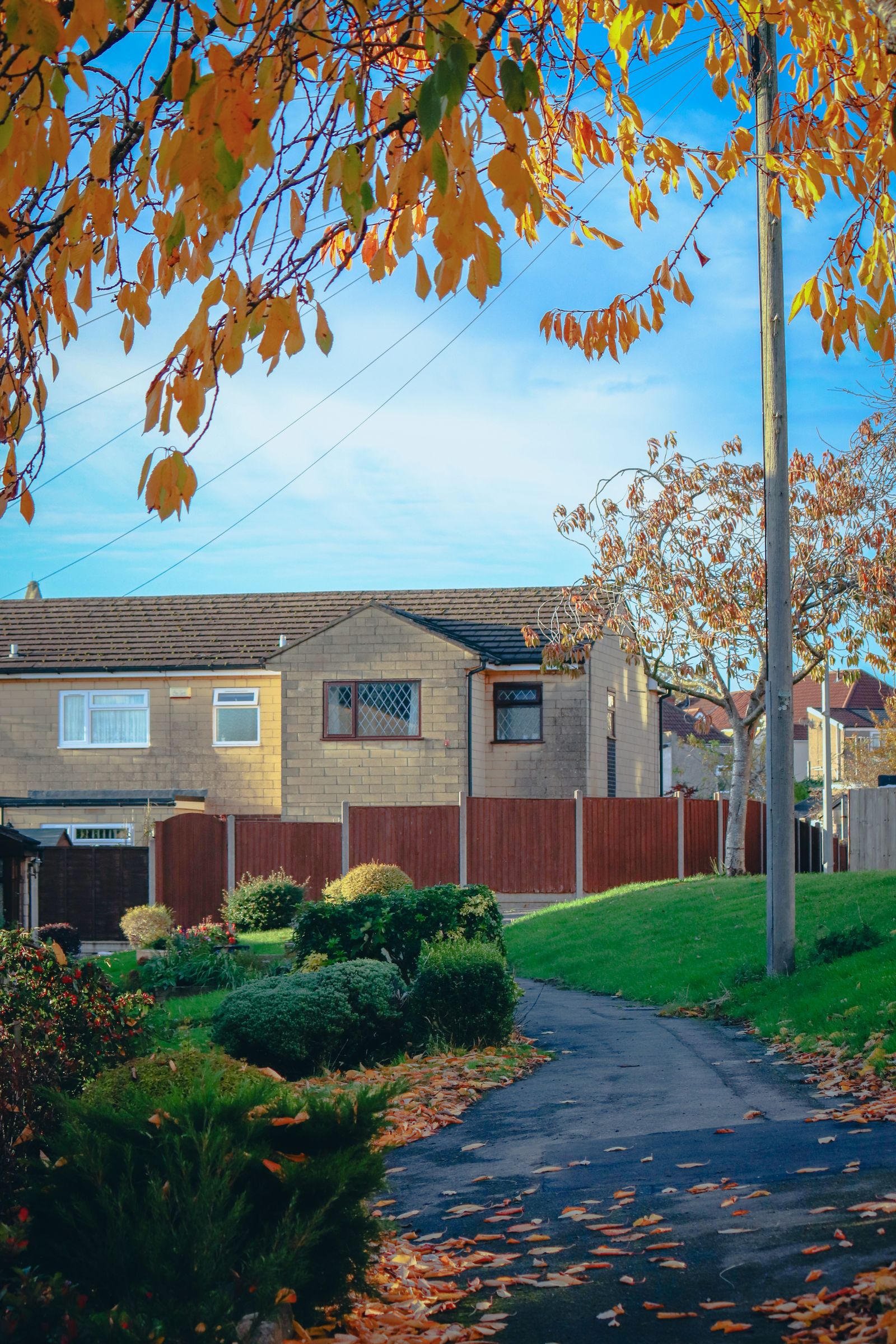
The city’s tree-lined streets and nearby Gatineau Park explode with colour.

Fall Traditions & Activities

Fall in Ottawa means:

  • Farmers’ markets at peak season

  • Thanksgiving gatherings

  • Back-to-school routines

It’s a calmer, cozier time that balances outdoor enjoyment with everyday structure.


4. Winter in Ottawa – Cold, Beautiful & Surprisingly Lively

Weather Reality

Let’s be honest—Ottawa winters are cold:

  • Temperatures regularly drop below freezing

  • Snowfall is consistent

  • January and February are the toughest months

However, the cold is dry, making it more manageable than damp coastal winters.

Winter Lifestyle & Coping Tips

Ottawa doesn’t shut down in winter—it adapts:

  • Skating on the Rideau Canal

  • Winter festivals and events

  • Well-maintained roads and sidewalks

Residents learn to dress properly, plan ahead, and embrace winter rather than fight it.


5. How the Seasons Affect Housing & Daily Costs

Seasonal living impacts:

  • Heating costs in winter

  • Cooling costs in summer

  • Snow removal responsibilities for homeowners

Choosing a well-insulated home and budgeting seasonally makes a big difference.


6. How Ottawa’s Seasons Shape Local Culture

Ottawa’s strong seasonal shifts influence:

  • Social habits

  • Community events

  • Work-life balance

People take full advantage of good weather and slow down when winter arrives. This rhythm creates a grounded, intentional lifestyle many residents appreciate.


7. Who Thrives Most in Ottawa’s Climate?

Ottawa is ideal for people who:

  • Enjoy outdoor activities year-round

  • Appreciate seasonal variety

  • Prefer structure and predictability

  • Value community and routine

Those expecting constant warmth may struggle—but those open to seasonal living often thrive.


FAQs

Q1: Is Ottawa winter really that bad?
It’s cold, but manageable with preparation.

Q2: Do people go outside in winter?
Yes—very much so.

Q3: What’s the best season in Ottawa?
Fall and summer are most popular.

Q4: Does weather affect commuting?
Yes, especially in winter—planning helps.

Q5: Are summers too hot?
They can be warm, but are generally enjoyable.

Q6: Do newcomers adjust easily?
Most do after one full year.


Conclusion

Living in Ottawa through all four seasons means embracing change, rhythm, and variety. Each season brings its own challenges and rewards—from lively summers to peaceful, snow-covered winters. For those who enjoy balance, nature, and a strong sense of community, Ottawa’s seasonal lifestyle isn’t just manageable—it’s deeply rewarding.

Read

Best Ottawa Neighbourhoods for Holiday Decor & Community Events

Introduction – Why Ottawa Shines During the Holidays

Ottawa transforms into a winter wonderland during the holiday season. Snow-dusted streets, glowing lights, and strong community traditions make the city especially festive from late November through January. What truly sets Ottawa apart, though, is how individual neighbourhoods come together to decorate, celebrate, and host events that feel warm and welcoming—even in the coldest months.

If you love holiday lights, seasonal markets, and community gatherings, these are the best Ottawa neighbourhoods for holiday decor and community events.


1. What Makes a Neighbourhood Festive in Ottawa?

The most festive neighbourhoods tend to share a few key traits:

  • Strong sense of community

  • Active neighbourhood associations

  • Walkable streets

  • Family-oriented demographics

  • Local businesses that decorate and host events

These areas turn holidays into shared experiences rather than just decorations.


2. The Glebe – Classic Charm & Community Spirit

Holiday Decor & Events

The Glebe is widely considered one of Ottawa’s most festive neighbourhoods. Tree-lined streets are filled with tasteful lights, wreaths, and porch displays.

Seasonal highlights include:

  • Local shopping events along Bank Street

  • Community fundraisers and carolling

  • Window displays from independent businesses

The Glebe’s historic homes and strong neighbourhood pride make it a holiday favourite year after year.


3. Orleans – Big Displays & Family-Friendly Celebrations

Community Traditions

Orleans is known for:

  • Elaborate home light displays

  • Decorated cul-de-sacs

  • Family-focused holiday events

Many residents go all-out with inflatables, synchronized lights, and themed decorations. Schools, community centres, and churches often host holiday markets, toy drives, and seasonal activities.


4. Barrhaven – Modern Suburbs with Strong Holiday Energy

Family Events & Light Displays

Barrhaven’s newer subdivisions make decorating easy—and residents take full advantage. Expect:

  • Coordinated neighbourhood displays

  • Community Facebook groups sharing light maps

  • Holiday parades and family events

Barrhaven is especially popular with young families who want an active, social holiday season close to home.


5. Westboro – Cozy, Walkable & Boutique-Driven Festivities

Local Businesses & Seasonal Events

Westboro blends urban living with village charm. During the holidays:

  • Richmond Road shops feature festive window displays

  • Cafés and boutiques host seasonal promotions

  • Streets feel lively but relaxed

Westboro’s walkability makes it perfect for evening strolls with hot drinks and holiday music.


6. Manotick – Small-Town Christmas Feel

Village Traditions

Manotick feels like stepping into a holiday postcard. The village is known for:

  • Traditional décor along Main Street

  • Seasonal events hosted by local businesses

  • A strong “everyone knows everyone” atmosphere

Residents and visitors alike appreciate Manotick’s slower pace and authentic holiday spirit.


7. Centretown – Urban Lights & Cultural Celebrations

Centretown offers a more diverse and cultural holiday experience:

  • Apartment balconies decorated with lights

  • Multicultural holiday celebrations

  • Proximity to downtown light displays and events

While it’s less about single-family home decor, Centretown shines through energy, inclusivity, and accessibility.


8. Kanata – Planned Communities & Seasonal Programming

Kanata’s master-planned communities often feature:

  • Community-organized holiday events

  • Decorated parks and pathways

  • School and recreation centre programming

It’s a great option for families who want structure, predictability, and local activities without heading downtown.


9. Alta Vista – Quiet Streets with Impressive Decor

Alta Vista is often overlooked, but during the holidays it comes alive with:

  • Tasteful, elegant home displays

  • Quiet streets perfect for evening walks

  • A strong sense of neighbourly pride

It’s ideal for those who prefer understated charm over large crowds.


10. Tips for Experiencing Ottawa’s Festive Neighbourhoods

  • Walk instead of drive where possible

  • Visit after dusk for the best lighting

  • Check community social media pages for events

  • Respect residential streets and parking rules

  • Dress warmly—Ottawa winters are no joke


FAQs

Q1: When do Ottawa neighbourhoods decorate for the holidays?
Most begin late November and peak in December.

Q2: Are there organized holiday events in neighbourhoods?
Yes, especially in family-focused communities.

Q3: Which areas are best for kids during the holidays?
Orleans, Barrhaven, and Kanata are especially popular.

Q4: Are downtown areas festive too?
Yes, but in a more urban and cultural way.

Q5: Do people visit other neighbourhoods to see lights?
Absolutely—it’s very common.

Q6: Is Ottawa festive even in cold weather?
Yes—the snow often enhances the experience.


Conclusion

Ottawa’s holiday magic isn’t confined to downtown—it lives in its neighbourhoods. From the historic charm of The Glebe to the family-focused energy of Barrhaven and Orleans, the city offers festive experiences for every lifestyle. These neighbourhoods don’t just decorate for the holidays—they celebrate together, making Ottawa one of the most community-driven cities in Canada during the winter season.

Read

Is Ottawa Expensive? Comparing Ottawa to Other Canadian Cities

Introduction – Why Cost Comparisons Matter

When people consider moving to or buying a home in Ottawa, one of the first questions they ask is: Is Ottawa expensive? The short answer is yes—but only when compared to smaller cities. Compared to Canada’s largest metropolitan areas, Ottawa often comes out as one of the best-value major cities.

This article breaks down whether Ottawa is expensive by comparing housing, transportation, food, taxes, and lifestyle costs to other Canadian cities.


1. What “Expensive” Really Means in Canada

In Canada, cost of living is heavily influenced by:

  • Housing prices

  • Transportation needs

  • Taxes and income levels

  • Access to services

Ottawa sits in a unique position—it’s a capital city with strong job stability, but without the extreme price pressure found in global markets like Toronto or Vancouver.


2. Housing Costs: Ottawa vs Major Canadian Cities

Home Prices

Ottawa’s home prices are:

  • Much lower than Toronto and Vancouver

  • Higher than smaller cities

  • Comparable to Calgary and some parts of Montreal

Buyers in Ottawa generally get:

  • More space

  • Larger lots

  • Family-friendly neighbourhoods

This makes Ottawa more affordable for long-term homeowners.

Rental Costs

Rental prices in Ottawa are:

  • Lower than Toronto and Vancouver

  • Slightly higher than Montreal

  • Higher than cities like Winnipeg or Halifax

Ottawa’s rental market reflects its strong employment base rather than investor-driven speculation.


3. Transportation Costs Compared

Ottawa offers:

  • Public transit options for car-free living in central areas

  • More affordable parking than major cities

  • Lower insurance costs than Toronto

Compared to cities with longer commutes and congestion, Ottawa transportation costs are moderate and predictable.


4. Food & Everyday Expenses

Grocery prices in Ottawa are:

  • Similar to most Canadian cities

  • Slightly higher than Quebec due to taxes

  • Lower than remote or northern communities

Dining out and entertainment are generally more affordable than Toronto or Vancouver, especially outside downtown.


5. Utilities, Internet & Insurance

Ottawa’s utility costs are:

  • Average by Canadian standards

  • Lower than many colder prairie cities for heating

  • Comparable to southern Ontario cities

Internet and mobile costs are consistent nationwide, meaning Ottawa doesn’t carry a premium in this category.


6. Childcare, Education & Family Costs

Ottawa is considered very family-friendly compared to other large cities:

  • Strong public schools

  • Subsidized childcare programs

  • Lower extracurricular and activity costs than major metros

Families often find Ottawa more manageable financially than Toronto or Vancouver.


7. Taxes & Income Value

Ottawa residents benefit from:

  • Stable government and tech salaries

  • Predictable employment

  • Income levels that match living costs better than many cities

While taxes are similar across Ontario, income-to-cost balance is one of Ottawa’s strongest advantages.


8. Lifestyle & Quality of Life Value

Ottawa offers:

  • Shorter commutes

  • Easy access to nature

  • Clean, safe neighbourhoods

  • Free museums and cultural attractions

When lifestyle value is factored in, Ottawa often feels less expensive than it appears on paper.


9. Ottawa vs Toronto, Vancouver, Montreal & Calgary

Ottawa vs Toronto:
✔ Lower housing costs
✔ Less congestion
✔ Better family affordability

Ottawa vs Vancouver:
✔ Significantly cheaper housing
✔ Lower cost of entry for buyers

Ottawa vs Montreal:
✔ Higher housing costs
✔ Higher incomes
✔ Less language barriers for newcomers

Ottawa vs Calgary:
✔ More stable employment
✔ Slightly higher taxes
✔ Better public sector security

Overall, Ottawa sits comfortably in the middle of Canada’s cost spectrum.


FAQs

Q1: Is Ottawa cheaper than Toronto?
Yes, especially for housing and daily lifestyle costs.

Q2: Is Ottawa expensive for renters?
Moderate—cheaper than major cities, higher than small towns.

Q3: Is Ottawa good for families financially?
Yes, due to schools, childcare support, and stability.

Q4: Is Ottawa cheaper than Vancouver?
Significantly.

Q5: Are salaries high enough in Ottawa?
Generally yes, especially in government and tech sectors.

Q6: Is Ottawa worth the cost?
For many people, absolutely.


Conclusion

So, is Ottawa expensive? Compared to smaller Canadian cities, it can feel that way. But when stacked against Toronto, Vancouver, and other major metros, Ottawa offers a strong balance of affordability, income stability, and quality of life. For families, professionals, newcomers, and long-term homeowners, Ottawa remains one of Canada’s smartest and most sustainable cities to live in.

Read

Things to Know Before Buying a Home in Ottawa

Introduction – Why Preparation Matters in Ottawa’s Market

Buying a home is one of the biggest financial decisions you’ll ever make, and Ottawa’s real estate market has its own unique rules, rhythms, and realities. While the city is known for stability and long-term value, buyers who jump in unprepared can still face surprises.

This guide covers the most important things to know before buying a home in Ottawa, whether you’re a first-time buyer, newcomer to Canada, or relocating from another province.


1. Ottawa’s Real Estate Market Is Stable—but Competitive

What Makes Ottawa Different from Other Cities

Ottawa’s housing market is driven by:

  • Federal government employment

  • Healthcare and tech sectors

  • Long-term residents rather than speculation

This creates steady demand and fewer extreme price swings compared to Toronto or Vancouver.

What Buyers Should Expect

  • Well-priced homes sell quickly

  • Multiple offers still happen in desirable areas

  • Overpricing is less common, but competition is real

Patience and preparation matter more than timing the market.


2. Understand Ottawa Neighbourhoods Before You Buy

Urban vs Suburban Living

Ottawa offers very different experiences depending on location:

  • Urban: Centretown, Hintonburg, Sandy Hill

  • Suburban: Barrhaven, Orleans, Nepean, Kanata

Each comes with trade-offs in space, commute, and lifestyle.

Commute Times & Lifestyle Fit

Winter traffic, transit access, and work location should all factor into your decision. A short commute in summer can feel very different in January.


3. Know Your True Budget (Not Just the Purchase Price)

Down Payment & Mortgage Costs

Beyond your down payment, buyers must budget for:

  • Mortgage payments

  • Interest rates and stress tests

  • Property taxes

Closing Costs Buyers Often Forget

Typical closing costs include:

  • Land transfer tax

  • Legal fees

  • Home inspection

  • Title insurance

  • Adjustments and prepaid taxes

These can add 1.5–4% to the purchase price.


4. Mortgage Pre-Approval Is Essential

Why Pre-Approval Matters

A mortgage pre-approval:

  • Confirms your real budget

  • Strengthens your offer

  • Speeds up the buying process

In competitive situations, unapproved buyers are often overlooked.

Fixed vs Variable Rates

Ottawa buyers often choose based on:

  • Risk tolerance

  • Monthly budget comfort

  • Long-term plans

There’s no one-size-fits-all answer—understanding your options is key.


5. Property Taxes Vary by Area

Property taxes in Ottawa depend on:

  • Neighbourhood

  • Home value

  • Property type

Suburban homes may have higher taxes than condos, even if purchase prices are similar. Always check estimated taxes before buying.


6. Home Inspections Are Especially Important in Ottawa

Older Homes & Hidden Issues

Many Ottawa homes were built decades ago and may have:

  • Aging plumbing or wiring

  • Older foundations

  • Insulation issues

A thorough inspection can save thousands.

Condos vs Freehold Homes

Condos require additional review:

  • Status certificate

  • Reserve fund health

  • Condo rules and fees

Skipping due diligence can be costly.


7. Winter Matters More Than You Think

Ottawa winters are long and cold. Before buying, consider:

  • Snow removal responsibilities

  • Heating efficiency

  • Parking access in winter

  • Walkability during snow months

Homes that feel perfect in summer may feel different in February.


8. Condos, Townhomes, or Detached?

Pros & Cons of Each Home Type

  • Condos: Lower maintenance, fees apply

  • Townhomes: Balance of space and cost

  • Detached: Privacy and space, higher upkeep

Choosing the right type is just as important as choosing the right location.


9. New Construction vs Resale Homes

New builds offer:

  • Modern layouts

  • Energy efficiency

  • Warranty coverage

Resale homes offer:

  • Established neighbourhoods

  • Mature trees and amenities

  • Often larger lots

Each comes with different risks and benefits.


10. Transit, LRT & Future Development Plans

Ottawa’s LRT expansion continues to shape:

  • Property values

  • Commute times

  • Neighbourhood desirability

Buying near future transit can offer long-term value—but always research timelines and plans.


11. Buying as a First-Time Buyer or Newcomer

First-time buyers and newcomers should:

  • Understand incentive programs

  • Build Canadian credit

  • Rent first if unsure

Ottawa is one of the most newcomer-friendly housing markets in Canada—but preparation is key.


12. Common Mistakes Buyers Make in Ottawa

  • Buying too quickly

  • Ignoring winter realities

  • Overstretching budgets

  • Choosing location over lifestyle

  • Skipping inspections

Avoiding these mistakes leads to better long-term satisfaction.


FAQs

Q1: Is Ottawa a good city to buy a home?
Yes—stable, family-friendly, and good long-term value.

Q2: How much do I need to buy a home in Ottawa?
At least 5% down, plus closing costs.

Q3: Should I buy or rent first?
Many buyers rent first to learn neighbourhoods.

Q4: Are bidding wars common in Ottawa?
They happen, especially on well-priced homes.

Q5: Do I need a car if I buy in Ottawa?
Depends on the neighbourhood.

Q6: Is buying a condo safer than a house?
Each has risks—due diligence matters most.


Conclusion

Buying a home in Ottawa can be a smart and rewarding decision—but only if you go in informed. Understanding neighbourhoods, budgeting properly, planning for winter, and doing thorough due diligence will help you avoid costly mistakes and choose a home that truly fits your life. In Ottawa’s steady market, smart preparation always beats rushing.

Read

Cost of Living in Ottawa in 2026 – Full Breakdown

Introduction – What to Expect in 2026

Ottawa has long been known as one of Canada’s most stable and livable cities. As we move into 2026, many people are asking whether the cost of living remains manageable—especially compared to cities like Toronto or Vancouver.

This guide provides a full breakdown of the cost of living in Ottawa in 2026, covering housing, utilities, transportation, food, childcare, and lifestyle expenses, so you can plan realistically and confidently.


1. Housing Costs in Ottawa (Rent & Buying)

Rental Prices in 2026

Rent remains the biggest monthly expense for most residents. Estimated average monthly rents in 2026:

  • Bachelor/Studio: $1,300–$1,600

  • One-bedroom: $1,500–$1,900

  • Two-bedroom: $1,900–$2,400

  • Shared housing: $800–$1,100 per room

Downtown and transit-accessible neighbourhoods continue to command higher rents, while suburban areas remain more affordable.

Home Prices & Ownership Costs

Ottawa’s housing market is expected to remain steady rather than volatile in 2026.

Typical ownership costs include:

  • Mortgage payments

  • Property taxes

  • Insurance

  • Maintenance

Ottawa remains significantly more affordable for buyers than Canada’s largest metropolitan markets.


2. Utilities & Household Bills

Electricity, Gas & Water

Monthly utility costs for an average household:

  • Electricity & gas: $120–$180

  • Water: Often included in rent; $50–$70 for homeowners

Energy-efficient homes and condos can reduce these costs.

Internet & Mobile Plans

  • High-speed internet: $70–$100/month

  • Mobile phone plans: $45–$75/month

Ottawa offers good coverage and competitive pricing.


3. Transportation Costs

Public Transit

  • Monthly transit pass: ~$130

  • Discounted passes available for students and seniors

Many residents in central areas live comfortably without a car.

Car Ownership

Monthly car-related costs can include:

  • Insurance: $120–$180

  • Gas: $150–$250

  • Parking & maintenance: $100–$200

Car ownership adds significantly to overall living costs.


4. Food & Grocery Costs

Grocery Shopping

Average monthly grocery costs:

  • Single adult: $300–$450

  • Couple: $550–$750

  • Family of four: $800–$1,100

Shopping habits and store choice make a big difference.

Dining Out

  • Casual meal: $18–$25

  • Mid-range restaurant: $30–$45 per person

Ottawa’s dining scene offers plenty of affordable options alongside higher-end experiences.


5. Childcare & Education Costs

Daycare & Childcare

With Canada-wide childcare programs continuing into 2026:

  • Subsidized daycare: ~$10–$25 per day

  • Waitlists remain common—early registration is essential

School & Activity Costs

While public education is free, families should budget for:

  • Supplies

  • Sports and extracurriculars

  • Before- and after-school care


6. Healthcare & Insurance

Healthcare is publicly funded in Ontario, but residents still pay for:

  • Dental care

  • Vision care

  • Prescription drugs (partially covered)

Private insurance plans often cost:

  • $70–$150/month (individual or family add-ons)


7. Taxes & Government Fees

Key ongoing costs include:

  • Income tax (provincial & federal)

  • Property taxes for homeowners

  • Vehicle registration and licensing

Ottawa’s municipal taxes remain moderate compared to other large cities.


8. Entertainment, Fitness & Lifestyle

Average monthly lifestyle costs:

  • Gym membership: $50–$80

  • Streaming subscriptions: $15–$40

  • Events and activities: $50–$150

Ottawa offers many free or low-cost outdoor and cultural activities year-round.


9. Monthly Budget Examples (2026)

Single renter (no car):

  • Rent: $1,600

  • Utilities & internet: $150

  • Transit: $130

  • Food: $400

  • Miscellaneous: $200
    Estimated total: ~$2,480/month

Family of four (homeowners):

  • Housing: $2,800

  • Utilities: $250

  • Transportation: $500

  • Food: $1,000

  • Childcare & extras: $600
    Estimated total: ~$5,150/month


10. Is Ottawa Affordable Compared to Other Cities?

Compared to Toronto and Vancouver, Ottawa in 2026:
✔ Has lower housing costs
✔ Offers better value for families
✔ Provides stable employment
✔ Maintains a high quality of life

Ottawa remains one of Canada’s most balanced cities in terms of cost versus lifestyle.


FAQs

Q1: Is Ottawa expensive in 2026?
It’s moderate—more affordable than major cities but higher than small towns.

Q2: What is the biggest expense in Ottawa?
Housing, especially rent.

Q3: Can you live in Ottawa without a car?
Yes, especially in central neighbourhoods.

Q4: Is Ottawa good for families financially?
Yes, due to schools, childcare support, and safety.

Q5: Are utilities expensive in Ottawa?
They are average by Canadian standards.

Q6: Is Ottawa cheaper than Toronto?
Yes—significantly for housing.


Conclusion

The cost of living in Ottawa in 2026 remains reasonable for a major Canadian city. While housing costs continue to rise gradually, Ottawa’s stable job market, accessible transit, family-friendly services, and overall quality of life help balance expenses. For individuals, families, newcomers, and professionals alike, Ottawa continues to offer strong long-term value.

Read

How Long Newcomers Typically Rent Before Buying in Ottawa

Introduction – Why Renting First Is So Common for Newcomers

For newcomers arriving in Ottawa, one of the biggest questions is whether to rent or buy—and how long to wait before purchasing a home. While some buyers are eager to own right away, the reality is that most newcomers rent first before entering Ottawa’s real estate market.

This article explains how long newcomers typically rent before buying in Ottawa, why renting first is often the smarter choice, and what signals it may be time to make the move into homeownership.


1. The Short Answer: Average Renting Timeline for Newcomers

Most newcomers rent for 2 to 5 years before buying a home in Ottawa.

Typical Timeframes Explained

  • 1–2 years: Rare, usually for buyers with strong finances and job security

  • 2–3 years: Most common timeline

  • 3–5 years: Typical for international newcomers building credit and savings

This timeline allows newcomers to make confident, informed decisions rather than rushed ones.


2. Why Most Newcomers Rent Before Buying

Learning Ottawa’s Neighbourhoods

Ottawa’s neighbourhoods vary significantly in:

  • Commute times

  • Transit access

  • School quality

  • Lifestyle and culture

Renting gives newcomers time to explore areas like Nepean, Barrhaven, Orleans, Centretown, and Vanier before committing long-term.

Financial & Employment Stability

Many newcomers want to:

  • Pass probation periods

  • Establish stable income

  • Understand taxes and deductions

This stability strengthens mortgage approval later.

Understanding the Canadian Housing System

Buying in Canada involves:

  • Legal processes

  • Closing costs

  • Property taxes

  • Inspections and conditions

Renting first helps newcomers learn the system without pressure.


3. Renting Timeline by Newcomer Type

International Newcomers

Most international newcomers rent 3–5 years, allowing time to:

  • Build Canadian credit

  • Qualify for better mortgage rates

  • Save a larger down payment

Interprovincial Movers

Canadians moving from another province often rent 1–3 years, especially if:

  • They already have Canadian credit

  • Employment is transferred or remote

Temporary Residents & Students

Many rent long-term and only buy after:

  • Becoming permanent residents

  • Securing full-time employment


4. Financial Reasons Newcomers Rent First

Building Canadian Credit

Even strong international credit histories don’t transfer. Renting allows newcomers to:

  • Open credit cards

  • Establish payment history

  • Improve credit scores

Saving for a Down Payment

While minimum down payments start at 5%, many newcomers aim for:

  • 10–20% down

  • Lower monthly payments

  • Better mortgage terms

Mortgage Qualification Requirements

Most lenders prefer:

  • 2 years of Canadian income

  • Stable employment

  • Clear credit history

Renting bridges this gap.


5. How Ottawa’s Housing Market Affects Timing

Market Stability & Price Trends

Ottawa’s market is known for:

  • Steady growth

  • Lower volatility than Toronto or Vancouver

This reduces pressure to rush into buying.

Interest Rates & Buyer Confidence

Many newcomers wait for:

  • Improved interest rates

  • Better affordability

  • Financial comfort

Timing is often about readiness—not market predictions.


6. When Newcomers Usually Decide It’s Time to Buy

Life & Family Changes

Buying often follows:

  • Starting a family

  • Needing more space

  • Wanting long-term stability

Job Security & Income Growth

Once income is stable and predictable, buying becomes more realistic and less stressful.


7. Common Mistakes Newcomers Make When Buying Too Soon

  • Buying without understanding neighbourhoods

  • Overstretching finances

  • Underestimating maintenance costs

  • Ignoring commute realities

  • Relying only on online research

Renting first helps avoid these costly errors.


8. Renting First vs Buying Right Away – Ottawa Perspective

In Ottawa, renting first is generally considered:
✔ Safer
✔ More flexible
✔ Better for long-term success

Buying right away can work—but only for those with strong finances, local knowledge, and long-term plans.


9. FAQs

Q1: Can newcomers buy a home right away in Ottawa?
Yes, but it’s less common.

Q2: Is renting a waste of money for newcomers?
No—renting often leads to smarter buying decisions.

Q3: How much should newcomers save before buying?
Many aim for 10–20% down.

Q4: Does PR status affect buying?
Permanent residency makes financing easier but isn’t always required.

Q5: Do newcomers pay higher mortgage rates?
Rates depend on credit and income, not newcomer status alone.

Q6: Is Ottawa good for first-time buyers?
Yes—stable and relatively affordable.


Conclusion

For most newcomers, renting for 2 to 5 years before buying in Ottawa is both normal and strategic. It provides time to build financial strength, understand neighbourhoods, and gain confidence in the Canadian housing system. In a stable market like Ottawa, patience often leads to better long-term outcomes and a more enjoyable homeownership experience.

Read

Living in Centretown Ottawa – A Complete Neighbourhood Guide

Introduction – Why Centretown Is One of Ottawa’s Most Popular Neighbourhoods

Centretown is one of Ottawa’s most vibrant and well-known neighbourhoods. Located just west of the downtown core, it offers a true urban lifestyle with unmatched walkability, transit access, and convenience. For professionals, students, newcomers, and anyone who wants to live close to everything, Centretown is often at the top of the list.

This guide covers what it’s really like living in Centretown Ottawa, including housing, transportation, amenities, pros and cons, and who the neighbourhood is best suited for.


1. Where Is Centretown Located?

Boundaries & Nearby Areas

Centretown is generally bordered by:

  • North: Downtown Ottawa

  • South: The Queensway (Highway 417)

  • West: Little Italy & Hintonburg

  • East: The Rideau Canal

It sits at the heart of the city, making it one of Ottawa’s most central neighbourhoods.

Proximity to Downtown

Many residents walk to work in:

  • Downtown offices

  • Federal government buildings

  • Parliament Hill

Living in Centretown often means eliminating the daily commute altogether.


2. What It’s Like to Live in Centretown

Urban Lifestyle & Walkability

Centretown is one of the most walkable neighbourhoods in Ottawa. Daily life often includes:

  • Walking to groceries

  • Cafés on every block

  • Easy access to transit

Everything you need is within minutes.

Who Centretown Is Best For

Centretown is ideal for:

  • Young professionals

  • Students (uOttawa & Carleton)

  • Newcomers to Ottawa

  • Renters and condo owners

  • People who prefer car-free living


3. Housing in Centretown

Apartments & Condos

Most housing consists of:

  • High-rise apartment buildings

  • Low-rise condo developments

  • Newer mixed-use buildings

This makes Centretown one of the best areas in Ottawa for renters.

Heritage Homes & Rentals

You’ll also find:

  • Converted heritage homes

  • Duplexes and triplexes

  • Character-filled rentals

These are popular but limited in supply.

Home Prices & Rent Costs

Approximate costs:

  • One-bedroom rent: $1,500–$1,900

  • Two-bedroom rent: $1,900–$2,400

  • Condos: Generally more affordable than freehold homes

Prices reflect the neighbourhood’s central location and demand.


4. Transportation & Commuting

Public Transit & LRT Access

Centretown has excellent transit access:

  • Multiple bus routes

  • Walking distance to LRT stations

  • Easy connections across the city

Transit is a major advantage for residents.

Driving, Parking & Car-Free Living

Many residents live without a car. Parking is limited, and street permits are often required, but car-free living is realistic and common.


5. Shopping, Dining & Nightlife

Grocery Stores & Daily Essentials

Centretown residents enjoy:

  • Farm Boy

  • Independent grocers

  • Specialty food stores

Everything is within walking distance.

Restaurants, Cafés & Bars

The neighbourhood is known for:

  • Independent cafés

  • International cuisine

  • Casual bars and pubs

Elgin Street, Bank Street, and Somerset are major hubs.


6. Parks, Green Space & Recreation

Dundonald Park

A central community park featuring:

  • Green space

  • Events and markets

  • A strong neighbourhood gathering point

Access to Canal & Pathways

The Rideau Canal is steps away, offering:

  • Walking and cycling paths

  • Skating in winter

  • Scenic views year-round


7. Schools, Healthcare & Services

Centretown offers:

  • Public and Catholic schools

  • Daycares and childcare centres

  • Clinics, pharmacies, and dental offices

Most services are walkable, adding to convenience.


8. Safety & Community Feel

Centretown is busy and lively. Like any downtown area, it experiences:

  • Higher foot traffic

  • Occasional noise

  • More visible city activity

However, many residents appreciate the energy and strong community networks.


9. Pros and Cons of Living in Centretown

Pros

✔ Extremely walkable
✔ Excellent transit access
✔ Close to work and entertainment
✔ Diverse and inclusive community

Cons

✘ Limited parking
✘ Higher rent prices
✘ Less green space than suburbs
✘ Urban noise


10. Is Centretown a Good Neighbourhood for You?

Centretown is a great choice if you:

  • Want an urban lifestyle

  • Prefer walking or transit

  • Enjoy dining and culture

  • Work downtown

  • Are renting or buying a condo

It may not be ideal if you want large yards or quiet suburban streets.


FAQs

Q1: Is Centretown Ottawa expensive?
It’s more expensive than suburbs but offers strong value for location.

Q2: Is Centretown safe?
Yes, though it feels busier than suburban areas.

Q3: Do you need a car in Centretown?
No—many residents live car-free.

Q4: Is Centretown good for students?
Yes, especially for uOttawa and Carleton students.

Q5: Is Centretown good for families?
Some families live here, but space is limited.

Q6: Is Centretown mostly renters or owners?
It’s renter-heavy with growing condo ownership.


Conclusion

Centretown is one of Ottawa’s most dynamic neighbourhoods, offering unmatched convenience, walkability, and access to the city’s core. While it comes with the realities of urban living, many residents find the lifestyle benefits far outweigh the trade-offs. If you want to be in the heart of Ottawa, Centretown delivers.

Read

Step-by-Step Guide to Moving to Ottawa from Another Province

Introduction – Why More Canadians Are Moving to Ottawa

Ottawa has become one of Canada’s most popular relocation destinations. With stable employment, lower housing costs compared to major cities, and a strong quality of life, many Canadians are choosing to move to the nation’s capital.

If you’re planning a move, this step-by-step guide to moving to Ottawa from another province walks you through everything you need to know—from planning and housing to paperwork and settling in.


1. Decide Why Ottawa Is Right for You

Lifestyle & Quality of Life

Ottawa offers:

  • Clean, safe neighbourhoods

  • Abundant green space

  • Four distinct seasons

  • A balanced pace of life

It’s especially appealing for families, professionals, and remote workers.

Job Market & Career Opportunities

Key industries include:

  • Federal government

  • Technology

  • Healthcare

  • Education

Ottawa’s job market is known for stability rather than volatility.


2. Research Ottawa Neighbourhoods

Urban vs Suburban Living

  • Urban: Centretown, Sandy Hill, Hintonburg

  • Suburban: Barrhaven, Nepean, Orleans, Kanata

Each offers a very different daily experience.

Best Areas for Newcomers

Popular starting points include Nepean, Vanier, Barrhaven, and Centretown due to affordability and transit access.


3. Understand the Cost of Living in Ottawa

Housing Costs

Approximate monthly rents:

  • One-bedroom: $1,400–$1,800

  • Two-bedroom: $1,800–$2,300

Home prices vary by neighbourhood but remain lower than Toronto and Vancouver.

Transportation & Daily Expenses

  • Transit pass: ~$129/month

  • Groceries: $300–$450/month (single)

Overall, Ottawa offers strong value for mid-sized city living.


4. Renting vs Buying When You First Arrive

Why Many People Rent First

Renting allows you to:

  • Learn neighbourhoods

  • Understand commute times

  • Avoid rushed buying decisions

When Buying Makes Sense

Buying is often considered after:

  • Securing stable employment

  • Understanding local pricing

  • Building financial confidence


5. Find a Job or Secure Remote Work

Ottawa’s Key Industries

Ottawa excels in:

  • Public sector employment

  • Tech and engineering

  • Research and innovation

Transferring or Working Remotely

Many movers keep their existing jobs and work remotely—making Ottawa an attractive option due to affordability.


6. Plan the Logistics of Your Move

Hiring Movers vs DIY

  • Long-distance movers offer convenience

  • DIY moves can save money but require planning

Timing Your Move

Summer is busiest (and most expensive). Spring and fall are often more flexible and affordable.


7. Update Documents & Government Services

Health Card & Driver’s Licence

You’ll need to:

  • Apply for an Ontario health card (OHIP)

  • Exchange your driver’s licence

Waiting periods may apply depending on your previous province.

Vehicle Registration & Insurance

Ontario insurance rates vary—shop around early.


8. Setting Up Utilities, Internet & Services

Before arrival:

  • Arrange electricity and gas

  • Set up internet and phone plans

  • Update mailing addresses

Planning ahead avoids service gaps.


9. Getting Around Ottawa

Transit vs Driving

  • Downtown and central areas are transit-friendly

  • Suburbs are easier with a car

Many new residents start without a vehicle.


10. Enrolling Kids in School & Childcare

Ottawa offers:

  • Public, Catholic, and French school boards

  • Strong ESL support

  • High-quality childcare (with waitlists)

Register early to avoid delays.


11. Building Your Community in Ottawa

Getting involved helps you settle faster:

  • Community centres

  • Sports leagues

  • Cultural groups

  • Neighbourhood events

Ottawa is known for being friendly, though quieter than larger cities.


12. Common Mistakes to Avoid

  • Choosing a neighbourhood without visiting

  • Underestimating winter commuting

  • Buying too quickly

  • Not budgeting for closing costs

Preparation prevents stress.


13. FAQs

Q1: Is Ottawa a good city to move to?
Yes—safe, stable, and affordable.

Q2: How long does it take to settle in Ottawa?
Most people feel settled within 3–6 months.

Q3: Should I rent or buy right away?
Renting first is usually recommended.

Q4: Is Ottawa cheaper than Toronto?
Yes, especially for housing.

Q5: Do I need French to live in Ottawa?
No, but it can be helpful.

Q6: Is Ottawa family-friendly?
Very—excellent schools and services.


Conclusion

Moving to Ottawa from another province is a major step—but with proper planning, it can be a smooth and rewarding transition. From choosing the right neighbourhood to understanding costs and services, Ottawa offers an excellent quality of life for Canadians looking for balance, opportunity, and long-term stability.

Read

How Long It Really Takes to Buy a Home in Ottawa

Introduction – Why the Timeline Matters

Buying a home is one of the biggest financial decisions most people will ever make. One of the most common questions buyers ask is: “How long does it actually take to buy a home in Ottawa?”

The honest answer is—it depends. Your financial readiness, market conditions, and personal situation all play a role. This guide breaks down the realistic home-buying timeline in Ottawa, from early preparation to getting the keys.


1. The Short Answer: Average Home-Buying Timeline in Ottawa

For most buyers in Ottawa, the full process takes 3 to 6 months from serious planning to closing day.

Typical Timeline Breakdown

  • Preparation & pre-approval: 2–6 weeks

  • House hunting: 1–3 months

  • Offer to firm purchase: 5–10 days

  • Closing period: 30–60 days

Some buyers move faster, while others take longer—and both are completely normal.


2. Step One: Preparing to Buy (Before You Even Start Looking)

Mortgage Pre-Approval

Getting pre-approved usually takes a few days to two weeks, depending on how quickly documents are provided. This step:

  • Confirms your budget

  • Locks in a rate (for a limited time)

  • Strengthens your offers

Saving for a Down Payment

Many Ottawa buyers spend months or years saving before entering the market. Minimum down payments start at 5%, but higher amounts reduce monthly costs.

Understanding Your Budget

Beyond the purchase price, buyers must plan for:

  • Closing costs

  • Property taxes

  • Utilities and maintenance

Being clear on finances upfront prevents delays later.


3. Step Two: House Hunting in Ottawa

How Long the Search Usually Takes

Most buyers search for 4–12 weeks before finding the right home. This varies based on:

  • Neighbourhood preferences

  • Property type

  • Budget flexibility

Factors That Speed Up or Slow Down the Search

Faster searches happen when:

  • Buyers are flexible

  • Budgets match the market

  • Inventory is strong

Slower searches happen when:

  • Expectations are unrealistic

  • Inventory is limited

  • Buyers are unsure of priorities


4. Step Three: Making an Offer & Negotiations

Ottawa’s Offer Process

Once a home is found, offers are usually submitted within 1–2 days. Negotiations can take:

  • A few hours in competitive situations

  • Several days in balanced markets

Multiple Offers vs Balanced Markets

Ottawa often experiences:

  • Multiple offers on well-priced homes

  • More negotiation room on higher-priced or less central properties

This step is usually quick, but outcomes can affect the timeline if offers fall through.


5. Step Four: Conditional Period & Financing

Home Inspection

Most offers include a 5–7 day home inspection condition. Scheduling and reviewing results happens quickly but is crucial.

Financing & Appraisal

Final mortgage approval typically takes 3–7 business days, assuming documents are in order.

Delays here often occur if paperwork is missing or employment changes mid-process.


6. Step Five: Closing Day Timeline

Typical Closing Periods in Ottawa

Closings usually occur 30–60 days after the offer becomes firm. This allows time for:

  • Legal work

  • Mortgage funding

  • Title searches

What Happens Before You Get the Keys

Before closing, buyers must:

  • Finalize insurance

  • Sign legal documents

  • Transfer funds

Keys are released once everything is registered—often midday on closing day.


7. First-Time Buyers vs Repeat Buyers

  • First-time buyers: Often take longer due to learning curves and financial preparation

  • Repeat buyers: Typically move faster due to experience and existing equity

Both timelines are normal and valid.


8. Newcomers to Canada – Does It Take Longer?

For newcomers, buying a home in Ottawa often takes 2–5 years after arrival. This allows time to:

  • Build Canadian credit

  • Secure stable income

  • Understand neighbourhoods

Some newcomers buy sooner using special lender programs, but renting first is common.


9. What Can Delay the Buying Process

Common delays include:

  • Financing issues

  • Changing jobs

  • Unclear priorities

  • Inspection concerns

  • Legal or title complications

Most delays are avoidable with proper planning.


10. How to Buy Faster (If You Need To)

To shorten your timeline:

  • Get fully pre-approved

  • Work with local professionals

  • Be flexible on features

  • Have documents ready

  • Focus on readiness, not market timing

Speed comes from preparation—not rushing.


11. FAQs

Q1: What’s the fastest you can buy a home in Ottawa?
As fast as 30–45 days, if fully prepared.

Q2: Is 3 months realistic?
Yes, for motivated and prepared buyers.

Q3: Does market condition change the timeline?
Yes—inventory and competition matter.

Q4: Do condos take longer than houses?
Sometimes, due to document reviews.

Q5: Should I wait for the “right” time?
Personal readiness matters more than timing the market.

Q6: Is renting first a good idea?
Yes, especially for newcomers and first-time buyers.


Conclusion

Buying a home in Ottawa isn’t an overnight process—but it doesn’t have to be overwhelming either. For most people, the journey takes 3 to 6 months, with preparation playing the biggest role in success. Whether you’re a first-time buyer, newcomer, or move-up buyer, understanding the real timeline helps you plan confidently and avoid unnecessary stress.

Read

What Makes a Neighbourhood ‘Good’ in Ottawa?

Introduction – Why “Good” Means Different Things in Ottawa

Ask ten people what makes a neighbourhood “good” in Ottawa, and you’ll likely get ten different answers. For some, it’s affordability and transit. For others, it’s schools, green space, or a strong community feel. Ottawa’s wide range of neighbourhoods means there’s no single definition of “good”—only what’s good for you.

This guide breaks down the key factors that determine what makes a neighbourhood desirable in Ottawa, helping renters, buyers, newcomers, and long-time residents make informed decisions.


1. Safety & Overall Livability

Crime Rates & Community Safety

Ottawa consistently ranks as one of Canada’s safest major cities. Still, perceived safety varies by neighbourhood. A “good” area often has:

  • Low violent crime rates

  • Active neighbourhood watch groups

  • A visible community presence

Safety often improves where residents feel connected and engaged.

Street Design & Lighting

Well-lit streets, sidewalks, and traffic-calming measures contribute significantly to how safe a neighbourhood feels—especially during Ottawa’s long winter evenings.


2. Housing Options & Affordability

Rental Availability

A good neighbourhood usually offers a mix of:

  • Apartments

  • Townhomes

  • Basement units

This flexibility makes areas more accessible to students, newcomers, and young professionals.

Home Prices & Property Types

Ottawa’s “good” neighbourhoods don’t always mean expensive ones. Value is often found in areas offering:

  • Stable pricing

  • Strong resale demand

  • Homes that match long-term needs


3. Access to Transit & Commute Times

OC Transpo & LRT Access

Neighbourhoods with reliable bus routes or O-Train stations are highly desirable, especially for:

  • Students

  • Downtown workers

  • Newcomers without cars

Transit access often defines convenience in Ottawa.

Driving & Highway Connectivity

For suburban areas, proximity to highways like the 417 and 416 plays a big role in commute quality.


4. Schools, Childcare & Family Amenities

Public & Catholic Schools

Good neighbourhoods often feature:

  • Well-rated public and Catholic schools

  • French immersion options

  • Nearby high schools

School access is a major driver of neighbourhood demand.

Parks, Playgrounds & Recreation

Family-friendly areas usually include:

  • Playgrounds

  • Community centres

  • Sports fields and pools


5. Walkability & Daily Convenience

Grocery Stores & Local Services

Being able to walk to:

  • Grocery stores

  • Pharmacies

  • Clinics

  • Cafés

…greatly improves quality of life.

Restaurants, Cafés & Community Hubs

Neighbourhoods with local businesses often feel more vibrant and socially connected.


6. Community Feel & Neighbourhood Culture

Diversity & Inclusivity

Ottawa’s best neighbourhoods tend to be:

  • Culturally diverse

  • Welcoming to newcomers

  • Inclusive across age groups

Diversity often brings stronger local networks and services.

Events & Community Engagement

Farmers’ markets, festivals, and local events help build strong neighbourhood identity.


7. Green Space & Outdoor Access

Parks, Trails & River Access

Ottawa is known for its green space. Good neighbourhoods usually have:

  • Parks within walking distance

  • Access to trails or rivers

  • Seasonal outdoor activities

Seasonal Activities

From winter skating to summer festivals, outdoor access enhances year-round livability.


8. Employment Access & Economic Stability

Proximity to Job Hubs

Neighbourhoods near:

  • Downtown

  • Government offices

  • Tech hubs (like Kanata)

…are often seen as more desirable.

Remote Work Flexibility

As remote work grows, neighbourhoods with good internet infrastructure and home layouts gain appeal.


9. Long-Term Value & Growth Potential

Infrastructure & Development

Good neighbourhoods often benefit from:

  • New transit expansions

  • Commercial development

  • Community investments

Resale & Rental Demand

Areas with consistent demand tend to hold value well, even during market shifts.


10. Matching Neighbourhoods to Lifestyles

A “good” neighbourhood depends on who you are:

  • Students: Transit access, affordability

  • Families: Schools, parks, space

  • Professionals: Commute, walkability

  • Newcomers: Community support, rentals

Ottawa offers a strong match for almost every lifestyle.


11. FAQs

Q1: What is the best neighbourhood in Ottawa?
There is no single “best”—it depends on lifestyle and priorities.

Q2: Are affordable neighbourhoods still good?
Yes. Many affordable areas offer excellent quality of life.

Q3: Is downtown Ottawa a good place to live?
For walkability and transit, yes.

Q4: What matters more—schools or transit?
That depends on whether you have children or commute daily.

Q5: Do good neighbourhoods cost more?
Not always. Value often matters more than price.

Q6: How can I choose the right area?
By matching neighbourhood features to your lifestyle needs.


Conclusion

A “good” neighbourhood in Ottawa isn’t defined by price alone. It’s a combination of safety, accessibility, community, green space, and how well it fits your lifestyle. With its diverse range of neighbourhoods, Ottawa makes it possible for almost anyone to find a place that truly feels like home.

Read

Best Ottawa Neighbourhoods for Newcomers to Canada

Introduction – Finding the Right Place to Start in Ottawa

Choosing the right neighbourhood is one of the most important decisions newcomers make when arriving in Canada. Ottawa offers a wide range of communities—urban, suburban, and family-focused—making it easier for newcomers to find a place that fits their lifestyle, budget, and long-term goals.

This guide highlights the best Ottawa neighbourhoods for newcomers to Canada, focusing on affordability, access to transit and jobs, community support, and overall quality of life.


1. What Newcomers Should Look for in an Ottawa Neighbourhood

Affordability & Rental Availability

Many newcomers rent first. Neighbourhoods with a good supply of apartments, townhomes, and basement units offer more flexibility.

Access to Transit & Employment

Easy access to OC Transpo, the O-Train, and major roads is essential—especially before buying a car.

Community Support & Diversity

Areas with established immigrant communities, cultural centres, and settlement services help newcomers integrate faster and feel at home.


2. Nepean – Balance, Affordability & Accessibility

Housing Options

Nepean offers:

  • Apartments and townhomes

  • Basement rentals

  • Detached homes at more reasonable prices

Why Newcomers Like Nepean

  • Excellent transit access

  • Close to Algonquin College

  • Shopping, schools, and healthcare nearby

  • Strong cultural diversity

Nepean is often one of the first neighbourhoods newcomers choose when arriving in Ottawa.


3. Barrhaven – A Top Choice for Newcomer Families

Schools, Parks & Amenities

Barrhaven is known for:

  • Newer schools

  • Large parks and recreation centres

  • Family-oriented communities

Housing & Commute

Housing includes townhomes and newer detached homes. While commuting downtown can take longer, many residents work locally or remotely.

Barrhaven is ideal for newcomers with children planning to stay long-term.


4. Orleans – Community Living with Bilingual Benefits

Lifestyle & Amenities

Orleans offers:

  • A strong sense of community

  • French-language schools and services

  • Waterfront paths and green space

Housing & Transit

  • Mix of condos, townhomes, and detached homes

  • Good bus connections and expanding LRT access

Orleans is popular with newcomers who value space and bilingual opportunities.


5. Vanier – Affordability Close to Downtown

Rental Market

Vanier is one of the more affordable central neighbourhoods, with:

  • Older apartments

  • Duplexes and triplexes

  • Basement units

Community & Location

  • Close to downtown and Rideau Centre

  • Walkable services

  • Diverse population

Vanier is a common starting point for newcomers seeking affordability and proximity to jobs.


6. South Keys & Hunt Club – Transit-Friendly & Practical

Convenience & Services

  • Major shopping centres

  • Grocery stores

  • Medical clinics

Housing Options

  • Apartments and townhomes

  • Reasonable rental prices

  • Direct transit access

These areas are especially practical for newcomers who rely on public transportation.


7. Centretown – Urban Living for Newcomers Without Cars

Walkability & Transit

Centretown offers:

  • Walking access to downtown jobs

  • Excellent bus and LRT connections

  • No need for a car

Who Centretown Is Best For

  • Single newcomers

  • Students and young professionals

  • Those working downtown

While rents are higher, convenience often offsets the cost.


8. Kanata – Jobs, Tech & Suburban Comfort

Employment Access

Kanata North is Ottawa’s tech hub, offering opportunities in:

  • Software

  • Engineering

  • Telecommunications

Housing Costs

Housing is slightly higher than Nepean or Vanier, but attractive for newcomers working in tech.


9. Renting First vs Buying Later as a Newcomer

Most newcomers rent for 2–5 years before buying. Renting allows time to:

  • Build Canadian credit

  • Understand neighbourhoods

  • Secure stable employment

Many newcomers eventually buy in the same area they first rented.


10. FAQs

Q1: Which Ottawa neighbourhood is best for new immigrants?
Nepean, Barrhaven, Orleans, and Vanier are top choices.

Q2: Is downtown Ottawa good for newcomers?
Yes, especially for those without cars.

Q3: Where is rent most affordable in Ottawa?
Vanier, South Keys, and parts of Nepean.

Q4: Do newcomers need French in Ottawa?
No, but bilingualism is helpful.

Q5: How long should newcomers rent before buying?
Most rent for 2–5 years.

Q6: Is Ottawa family-friendly for immigrants?
Yes—very safe with excellent schools and services.


Conclusion

Ottawa offers newcomers a rare mix of affordability, safety, and opportunity. From family-friendly suburbs like Barrhaven and Orleans to centrally located areas like Vanier and Centretown, there’s a neighbourhood for every stage of the newcomer journey. Choosing the right area can make settling in Canada smoother, faster, and far more enjoyable.

Read

Living in Ottawa as an International Student – What to Expect

Introduction – Studying in Canada’s Capital

Ottawa is one of Canada’s most welcoming and student-friendly cities, especially for international students. With globally recognized universities, a safe environment, and a strong quality of life, the capital offers a balanced experience that combines academic excellence with everyday comfort.

If you’re planning to study here, this guide explains what it’s really like living in Ottawa as an international student—from housing and costs to lifestyle, jobs, and adjusting to Canadian life.


1. Why Ottawa Is a Great City for International Students

World-Class Institutions

Ottawa is home to respected schools like the University of Ottawa, Carleton University, and Algonquin College. Degrees and diplomas from these institutions are recognized worldwide.

Safety, Stability & Quality of Life

Ottawa consistently ranks among Canada’s safest major cities. For students arriving from abroad, this sense of security is a major advantage.

Bilingual & Multicultural Environment

Ottawa is officially bilingual (English and French), and you’ll meet people from all over the world. This makes it easier to integrate and feel at home.


2. Major Schools & Campuses in Ottawa

University of Ottawa (uOttawa)

Located downtown, uOttawa offers:

  • Strong international student services

  • Programs in English and French

  • Walkable access to housing and transit

Carleton University

Carleton is known for:

  • A beautiful campus surrounded by nature

  • Strong programs in engineering, business, and public affairs

  • Easy access via O-Train and buses

Algonquin College

Located in Nepean, Algonquin is popular for:

  • Career-focused programs

  • Co-op opportunities

  • Strong support for international students

Other Colleges & Language Schools

Ottawa also has private colleges and ESL/FSL schools that support pathway programs into universities.


3. Housing Options for International Students

On-Campus Residence

Best for first-year students:

  • Fully furnished

  • Meal plans included

  • Easy social connections

Downside: limited availability and higher cost.

Off-Campus Rentals

Most international students move off-campus after their first year.

Typical costs:

  • Shared room: $700–$1,000/month

  • One-bedroom apartment: $1,400–$1,800/month

Homestays & Shared Housing

Homestays are popular for new arrivals and younger students:

  • Family environment

  • Utilities and meals often included

  • Great for adjusting to Canadian culture


4. Cost of Living for International Students in Ottawa

Rent & Utilities

  • Shared housing (with utilities): $800–$1,100

  • Utilities (if separate): $80–$150

Food & Groceries

  • Groceries: $300–$450/month

  • Eating out: $15–$25 per meal

Transportation & Phone Plans

  • Student transit pass: ~$125/month

  • Phone plan: $40–$70/month

Ottawa is generally more affordable than Toronto or Vancouver.


5. Best Neighbourhoods for International Students

Sandy Hill

  • Top choice for uOttawa students

  • Walking distance to campus

  • Student-focused rentals

Centretown

  • Central and lively

  • Close to transit, jobs, and nightlife

Old Ottawa South

  • Popular with Carleton students

  • Cafés, parks, and walkability

Nepean & Baseline Area

  • Ideal for Algonquin College students

  • Affordable shared housing

  • Reliable transit

Vanier

  • More affordable

  • Diverse and close to downtown


6. Getting Around Ottawa as a Student

OC Transpo & LRT

Ottawa’s public transit system connects all major campuses and neighbourhoods. Most students don’t need a car.

Biking & Walking

Ottawa has excellent bike paths and pedestrian routes, especially near campuses.

Do You Need a Car?

No. Most international students rely entirely on transit and walking.


7. Student Life, Culture & Social Scene

Making Friends & Campus Life

  • Student clubs and associations

  • Cultural societies

  • Orientation programs

Food, Festivals & Nightlife

  • International restaurants

  • Seasonal festivals (Winterlude, Canada Day)

  • Relaxed nightlife compared to Toronto or Montreal

Winter Life in Ottawa

Winters are cold, but manageable with proper clothing. Many students enjoy skating, winter festivals, and cozy cafés.


8. Working While Studying

On-Campus Jobs

  • Libraries

  • Cafeterias

  • Administrative roles

Off-Campus & Part-Time Work

International students can typically work up to 20 hours per week during the school year and full-time during breaks (subject to study permit rules).

Co-op & Internship Opportunities

Ottawa offers excellent co-op placements in:

  • Government

  • Tech

  • Healthcare

  • Research


9. Healthcare, Banking & Essentials

Health Insurance

International students must enroll in:

  • UHIP or private insurance

  • Some programs include coverage automatically

Banking & Credit

Opening a Canadian bank account is easy. Many banks offer student newcomer packages.

Phone Plans & Internet

Student discounts are common through major and budget carriers.


10. Common Challenges for International Students

  • Adjusting to winter weather

  • Finding affordable housing quickly

  • Balancing work and studies

  • Understanding Canadian rental rules

Most schools offer strong support services to help with these challenges.


11. FAQs

Q1: Is Ottawa good for international students?
Yes—safe, welcoming, and academically strong.

Q2: Is Ottawa expensive for students?
More affordable than many major Canadian cities.

Q3: Can international students work in Ottawa?
Yes, with a valid study permit.

Q4: Do I need French to live in Ottawa?
No, but it’s an advantage.

Q5: Is housing hard to find?
It can be competitive—start early.

Q6: Is Ottawa fun for students?
Yes, especially if you enjoy balance, nature, and culture.


Conclusion

Living in Ottawa as an international student offers a balanced, safe, and rewarding experience. With respected schools, affordable living costs, and strong student support systems, Ottawa is an excellent place to study and build a future in Canada. Whether you plan to stay short-term or transition into work or permanent residency, the city provides a solid foundation for success.

Read
Categories:   2026 | Activities | Advice | Affordable | AirBnB | Algonquin College | All Four Seasons | Alta Vista | Another Province | Apartment | Arnprior Real Estate | Autumn | Available Programs | Bank of Canada Rate Announcement | Barrhaven | Barrhaven Downtown, Barrhaven - Strandherd Real Estate | Barrhaven East | Barrhaven West | Bayshore | Beacon Hill South | Beechwood Village | Best Cities To Live | Bidding Wars | Bilingual | Boundary Expansion | Britannia Village | BRRRR Strategy | Budgeting | Build-to-Rent | Building | Bungalow | Buying | Byward Market | Byward Market, Lower Town Real Estate | Byward Market/Lower Town, Sandy Hill Real Estate | Calgary | Car-Free | Carleton Place | Carleton University | Carlington | Carlsbad Springs | Carp | Centretown | Centretown West | Centretown, Ottawa Centre Real Estate | Chapel Hill | CHEO | Childcare | Chinatown | Christmas | Civc Hospital | Civic Hospital | Climate Goals | Closing Costs | Coffee Shop | Communities | Commuting | Condos | Convent Glen and Area, Orleans Real Estate | Cost of Living | Cottage | Country | Decoration | Detached Home | Divorce | Dog Friendly | Dow's Lake | Dow's Lake/Little Italy, Dow's Lake/Little Italy Real Estate | Dow's Lake/Little Italy, West Centre Town Real Estate | Down Payment | Downsizing | Downtown | Dows Lake - Civic Hospital and Area (4502 - West Centre Town) Real Estate | Dows Lake/Little Italy, West Centre Town Real Estate | Duplex | Eco-Friendly | Embrun | Expensive | Fall | Family | Family Friendly | Farmer's Market | Fastest Growing Neighbourhoods | Final Walkthrough | Finance | Findlay Creek | Findlay Creek, Leitrim Real Estate | First-Time Buyer | Fixer-Upper | Flipping Homes | Food | Foreclosure | Freehold | French-Friendly | Friends | Future | Glebe | Gloucester Glen | Golden Triangle | Good | Greely | Guide | Half Moon Bay | Half Moon Bay - Strandherd, Barrhaven Real Estate | Heat Pump | Hidden Gems | Hintonburg | Historic | Holiday Spirit | Holidays | Home Business | Home Inspection | Home Office | Home Staging | Homes | Homes on the Canal | Hunt Club | Hurdman | Immigrants | Immigration | In-Person Showings | Instagram | International Student | Investing | Investment Property | Kanata | Kemptville | Land Transfer Tax (LTT) | Land Values | Landlords | Lawyer | Layout | Lease | Lebreton Flats | Lifestyle | Little Italy | Living Along | Living Comfortable | Living Costs | Living In | Lowertown | Lowertown/Byward Market, Lowertown/Byward Market Real Estate | LRT | Luxury Homes | Luxury Living | Manotick | Market Advice | Mechanicsville | Mixed-Use | Montreal | Mortgage | Most | Move-In Ready | Moving | Moving From | Moving To | Multi-Family | Multi-Generational | Munster - Richmond, Stittsville Real Estate | Nature | Negotiation | Neighborhoods | New Canadian | New Edinburgh | New Immigrant | New Resident | New-Builds | Newcomer | Night Life | North Gower | O-Train | Old Ottawa East | Old Ottawa South | Old Ottawa West | Oldest | Open House | Orleans | Orleans South | Ottawa | Ottawa Centre, Centretown Real Estate | Ottawa East/Greystone Village, Ottawa East/Greystone Village Real Estate | Ottawa Real Estate | Ottawa River | Overbrook | Parents | Parks | Parkwood Hills | Peaceful | Pet-Friendly | Photography | Places | Pre-Approval | Pre-Construction | Pre-List | Price Your Home | Professionals | Property Tax | Pros & Cons | Queensway Terrace | Questions | Quiet | Real Estate Broker | Relocation | Renovation | Rental | Renting | Retirement | Rideau | Rideau Canal | Riverside South | Rockcliffe | Rockland | Rural | Russell | Sandy Hill | Sandy Hill, Lower Town Real Estate | Savings | Schools | Seasons | Secret | Selling | Shopping Mall | Single Home | Smart Home | Somerset | South Keys | Southvale | Spring | Stittsville | Student Housing | Student Rentals | Students | Suburb | Summer | Summer Hone | Tenants | Things To Do | Tips | To-Do | Toronto | Touring | Townhouse | Transit | Trends | Tunney's Pasture | University | University of Ottawa | Upgrades | Urban Living | Vacation Rental | Vancouver | Vanier | Vars | Viewing | Virtual Tours | Walkable | Walks | Wealth | Weekend Getaways | Westboro | WFH | What to know | Winter | Work From Home | Zoning
The trademarks REALTOR®, REALTORS®, and the REALTOR® logo are controlled by The Canadian Real Estate Association (CREA) and identify real estate professionals who are member’s of CREA. The trademarks MLS®, Multiple Listing Service® and the associated logos are owned by CREA and identify the quality of services provided by real estate professionals who are members of CREA. Used under license.